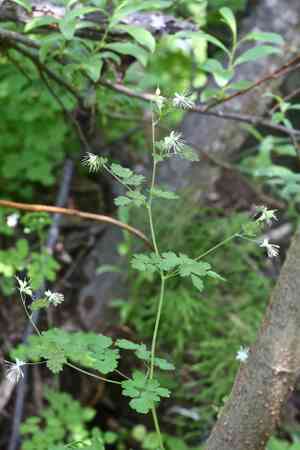
Fewflower meadow-rue (Thalictrum sparsiflorum)
Also known as: Few-flowered Meadow-rue
Fewflower meadow-rue (Thalictrum sparsiflorum) flourishes in moist, well-drained soils enriched with organic matter. This hardy perennial is ideally suited to habitats like meadows, woodlands, and alongside streams, where it can enjoy partial to full shade. Its delicate, fern-like foliage and sparse, star-shaped flowers, ranging from pale lavender to white, make a charming addition to gardens. The plant typically blooms from late spring to midsummer, thriving in cool, temperate climates.
In This Article
Attributes of Fewflower meadow-rue
Lifespan
Perennial
Plant Type
Herb
Plant Height
2 to 4 feet
Spread
1 to 2 feet
Leaf Color
Green
Flower Size
0.1 to 0.3 inches
Flower Color
Yellow or Greenish
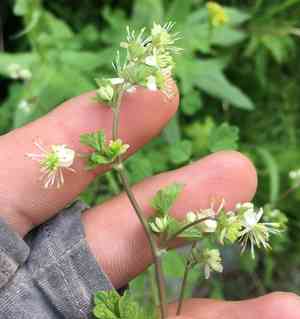
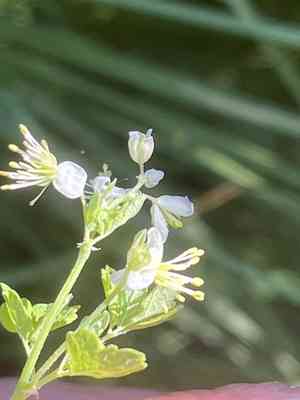
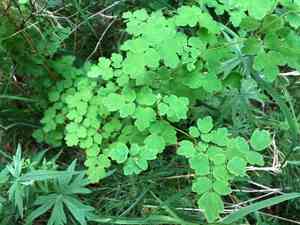
Images of Fewflower meadow-rue
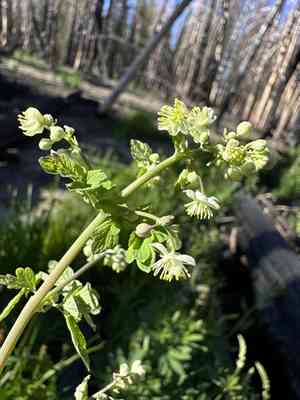
Quickly Identify Fewflower meadow-rue
1
Identifying Thalictrum sparsiflorum can be done by looking at its finely divided leaves, which resemble those of ferns, and its small, clustered flowers that lack petals but have numerous showy stamens.
Scientific Classification of Fewflower meadow-rue
Phylum
Vascular plants
Class
Dicotyledons
Order
Ranunculales
Family
Buttercup
Genus
Meadow-rues
Species
Fewflower meadow-rue
Planting and Growing of Fewflower meadow-rue
Care Difficulty
Moderate
Watering Schedule
Every 3 days
Sunlight Requirements
Partial sun
Sunshine Duration
4-8 hours
Ideal Temperature
59-68℉
Soil Type
Potting Mix, Peat Mix
Soil pH
6.5-7.5
Fertilizer Type
Balanced
Pruning Season
Spring, Summer
Pruning Area
Branches, Leaves
Pruning Frequency
2 times a year
Repotting Season
Spring
Pot Type
Plastic, Ceramic
 How to Water Fewflower meadow-rue?
For Thalictrum sparsiflorum, water until the soil feels evenly moist. Ensure the top 2 inches are well saturated, applying approximately 300ml of water. Check the drainage to make sure there's no water pooling, which can lead to root rot. Water more during peak growth seasons.
What are the symptoms of an underwatered Fewflower meadow-rue?
›
What should I do if my Fewflower meadow-rue is not getting enough water?
›
What are the symptoms of an overwatered Fewflower meadow-rue?
›
How to save an overwatered Fewflower meadow-rue?
›
 What Are the Sunlight Requirements for Fewflower meadow-rue?
Partial sun or dappled light is optimal for Thalictrum sparsiflorum, promoting sturdy growth and vibrant blooms. Ideal lighting sustains the plant's energy levels for robust development.
Optimal Exposure
›
Solution for Shaded Areas
›
Effects of Ideal Light
›
 What Is the Ideal Temperature Range for Fewflower meadow-rue?
Thalictrum sparsiflorum thrives best when grown in temperatures between 59°F and 68°F. Within this range, the plant can maintain optimal physiological and metabolic processes. This temperature bracket ensures efficient photosynthesis, healthy growth patterns, and sustenance of vibrant foliage. It's crucial to consistently monitor environmental conditions and adjustments to maintain temperatures within this ideal range.
 What Soil is Best for Fewflower meadow-rue?
Thalictrum sparsiflorum thrives in well-drained soils that allow excess water to escape easily, preventing root rot. This is crucial for maintaining healthy root systems and promoting robust growth. The plant benefits from a nutrient-rich soil composition, which provides essential minerals and nutrients that support lush foliage and vibrant blooming. While the soil should be well-drained, it should also retain sufficient moisture to keep the plant hydrated, especially during dry spells, ensuring sustained growth and vitality.
 How to Fertilize Fewflower meadow-rue?
For Thalictrum sparsiflorum, it's important to apply fertilizers at a moderate rate. Liquid fertilizers can be diluted to half their recommended strength to avoid potential over-fertilization. When applying slow-release fertilizers, use about 1 tablespoon per square foot to ensure that the nutrients are distributed evenly without overburdening the plant.
 How to Prune Fewflower meadow-rue?
Start your pruning session by identifying and removing any dead, damaged, or diseased stems. Use clean, sharp pruning tools to ensure a smooth cut. This maintains the plant's health and prevents the spread of diseases. After removing the dead stems, proceed with gently shaping the plant. Trim back straggly or overgrown stems to maintain a neat appearance. Aim to create a balanced shape that allows for even growth and flowering. After completing the pruning, ensure the plant receives adequate water and nutrients. Mulching around the base can help retain soil moisture and suppress weeds. This aids in the plant's recovery and encourages robust regrowth.
More About Pruning Techniques→
 How to Propagate Fewflower meadow-rue plant?
1
Begin by collecting seeds from a mature Thalictrum sparsiflorum plant. Ensure seeds are thoroughly cleaned and dried before sowing to prevent any mold or fungal growth.
2
Identify mature plants with sizable clumps. Carefully dig around the clump and separate the roots, ensuring each division has a decent root system for better establishment.
3
After germination, transfer seedlings to a larger pot or directly to the garden, making sure to maintain adequate spacing to allow for growth and airflow.
 How to Repot Fewflower meadow-rue plant?
1
Thalictrum sparsiflorum shows readiness for repotting when its roots start to poke out from the drainage holes or when growth noticeably slows down despite ideal conditions. Ideally, repotting should be done at the beginning of its growing season to minimize stress on the plant and allow it to establish well in new soil.
2
When selecting a pot for Thalictrum sparsiflorum, opt for one that is slightly larger than the current pot, providing room for root growth. Ensure the pot has sufficient drainage holes to prevent waterlogging, which can lead to root rot. Pots with terracotta material work well as they allow moisture to evaporate, maintaining a balanced environment for the plant.
3
For this plant, it's essential to choose a soil mix that is both well-draining and retains adequate moisture. A loamy mix enriched with organic matter not only supports healthy root development but also ensures proper aeration. This type of soil prevents the roots from sitting in water, which reduces the risk of rot and other soil-borne diseases.
Learn More About Fewflower meadow-rue Diseases
Anthracnose
Bacterial Leaf Spot
Bacterial Soft Rot
Bacterial Wilt
Chemical Injury
Crown Gall
Cyst Nematode
Damping-off
Downy Mildew
Drought Stress
Fusarium Wilt
Gray Mold
Leaf Spot
Mosaic
Nutrient Deficiency
Nutrient Toxicity
Powdery Mildew
Root Rot
Root-knot Nematode
Rusts
Sooty Mold
Spider Mites
Temperature Stress
Thrips Damage
White Mold



