How to Propagate Lake huron tansy?
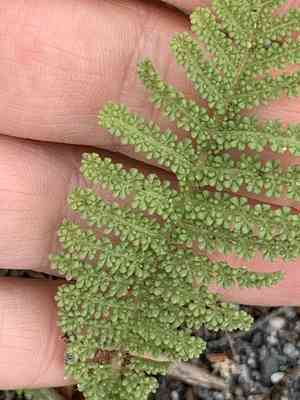
Lake huron tansy flourishes most effectively when reproduced by seeding. For vigorous development, it is essential to commence with superior seeds and a potting mix that drains efficiently. It is beneficial to lightly blanket the seeds with substrate to preserve hydration without leading to waterlogging. Position them in an area that gets abundant sunlight, as this variety prospers in luminous environments. Consistent, moderate irrigation will aid in the establishment of the young plants, paving the way for their robust maturation.
Optimal Time for Lake Huron Tansy Propagation
Propagation Method
Seeding
Propagation Period
Spring
Tools for Lake Huron Tansy Propagation
Seed trays
Seed trays are vital for lake huron tansy's propagation via sowing. These shallow containers enable even distribution and organized seed placement, ensuring each seed has ample room to germinate without competition. The trays help maintain consistent soil conditions, critical for lake huron tansy's delicate early growth stages.
Fine-textured potting mix
A fine-textured potting mix is advised for sowing lake huron tansy due to its light and airy composition, which enhances soil aeration and drainage. This type of medium minimizes the risk of waterlogging, which can cause seed and root rot, providing an ideal environment for lake huron tansy seeds to sprout and develop robust root systems.
Misting bottle
A misting bottle is essential for gently watering lake huron tansy seeds without causing erosion or displacement within the seed tray. The fine mist ensures seeds stay moist but not overly saturated, aiding germination rates and early seedling development by providing consistent humidity.
Clear plastic dome or cover
Placing a clear plastic dome or cover over the seed tray after sowing lake huron tansy creates a stable, humid microclimate beneficial for seed germination. This setup reduces moisture loss, shields seeds from environmental stressors, and helps maintain a constant temperatureâa key factor for successful seed sprouting.
How to Propagate Lake Huron Tansy?
Propagation Type
Simple
Caring for Your Newly Propagated Lake Huron Tansy
Caring for Your Newly Propagated Lake Huron Tansy
Post-germination, gradually introduce seedlings to outdoor conditions if transplanting. Once established, lake huron tansy thrives in full sun and well-drained soil. It requires moderate watering, especially in dry periods, and benefits from regular deadheading to encourage continuous blooms. Avoid excessive watering to prevent root rot. Lake huron tansy is generally low-maintenance and adapts well to various garden environments.
Common Propagation Errors for Lake Huron Tansy
Overwatering
When propagating lake huron tansy, excessive water can lead to root rot, a condition where roots decay due to overly moist conditions. This severely impairs the plant's ability to absorb nutrients and water, ultimately affecting its growth and survival.
Deep Planting
Planting lake huron tansy's cuttings or seeds too deeply can impede their ability to sprout and establish. This error can result in poor aeration and reduced light exposure, both crucial for the development of new shoots and roots.
Insufficient Light
Failing to provide adequate light during lake huron tansy propagation can result in weak, leggy growth. This makes the plant more vulnerable to diseases and compromises its overall vigor.
Tips for Propagating Lake Huron Tansy
Use Sterile Tools
Cuttings of lake huron tansy should be taken with clean, sterilized tools to prevent disease spread. This ensures healthy growth and reduces infection risk, which can jeopardize propagation efforts.
Maintain Humidity
Keeping high humidity levels can benefit lake huron tansy's cuttings, as it helps maintain moisture around cut surfaces. This promotes better root formation and can enhance the overall success rate of propagation.
Choose Healthy Donor Plants
Ensure the specimen from which cuttings or seeds are taken is healthy and vigorous. Propagating from a weak or diseased plant can result in inferior offspring, affecting the long-term success and viability of lake huron tansy.



