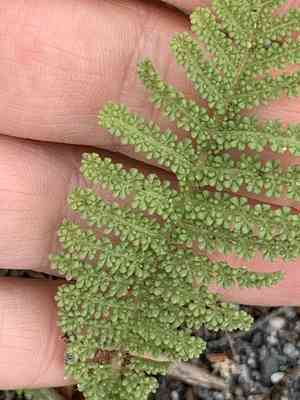
Lake huron tansy (Tanacetum bipinnatum)
Also known as: Eastern Tansy, Dune tansy
Sweetflag (Acorus calamus) is a tall, perennial herb commonly found in North American wetlands. It features yellow flowers and can be easily identified in its natural habitat. During the summer and fall, its flowers emit a distinct camphor-like fragrance.
In This Article
Attributes of Lake huron tansy
Lifespan
Perennial
Plant Type
Herb
Plant Height
5 cm to 80 cm
Spread
20 cm to 50 cm
Leaf Color
Green
Flower Size
8 mm to 2 cm
Flower Color
Yellow Orange
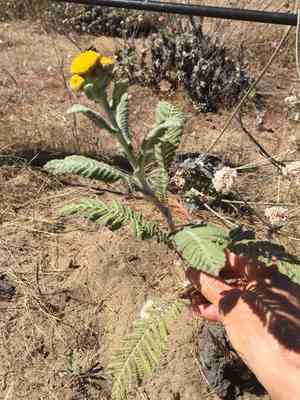
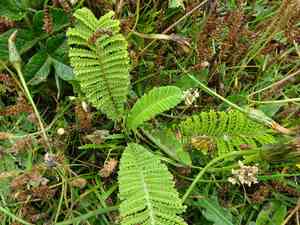
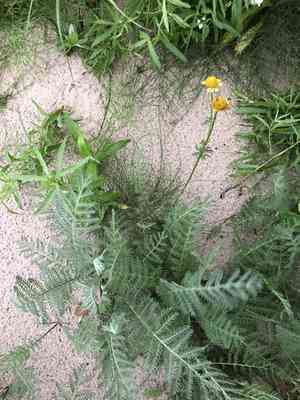
Images of Lake huron tansy
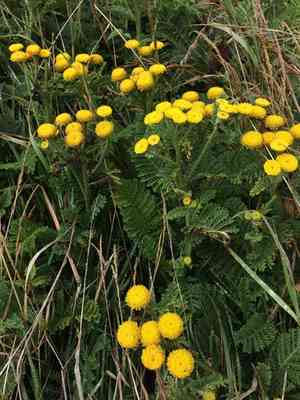
Quickly Identify Lake huron tansy
1
Look for the finely dissected, fern-like leaves and the clusters of bright yellow, button-shaped flower heads. The plant emits a strong, aromatic scent when the leaves are crushed.
Scientific Classification of Lake huron tansy
Phylum
Vascular plants
Class
Dicotyledons
Order
Asterales
Family
Daisy
Genus
Tansies
Species
Lake huron tansy
Planting and Growing of Lake huron tansy
Care Difficulty
Easy
Watering Schedule
Every 2 days
Sunlight Requirements
Full sun
Sunshine Duration
6-10 hours
Ideal Temperature
60-75℉
Soil Type
Potting Mix, Peat Mix
Soil pH
6.5-7.5
Fertilizer Type
Balanced
Pruning Season
Spring, Summer
Pruning Area
Branches, Leaves
Pruning Frequency
2 times a year
Repotting Season
Spring
Pot Type
Plastic, Ceramic
 How to Water Lake huron tansy?
When watering Tanacetum bipinnatum, aim for about 200 milliliters per session, ensuring the soil is damp but not waterlogged. This plant prefers a moderate amount of moisture, and the key is to let the top inch of soil dry out between waterings.
What are the symptoms of an underwatered Lake huron tansy?
›
What should I do if my Lake huron tansy is not getting enough water?
›
What are the symptoms of an overwatered Lake huron tansy?
›
How to save an overwatered Lake huron tansy?
›
 What Are the Sunlight Requirements for Lake huron tansy?
Partial to full sun allows Tanacetum bipinnatum to maintain nutrient-rich foliage and energetic growth cycles, reflecting its resilience in varying conditions.
More About Sunlight Requirements Techniques→
What is the best location for Tanacetum bipinnatum?
›
How to ensure the plant receives adequate sunlight?
›
What benefits occur from ideal lighting?
›
 What Is the Ideal Temperature Range for Lake huron tansy?
Tanacetum bipinnatum thrives best in temperatures ranging from 60 to 75 °F. This temperature range supports optimal growth and blooming, ensuring the plant remains healthy and vibrant. Maintaining consistent warmth within this range can significantly enhance its physiological processes and overall development.
 What Soil is Best for Lake huron tansy?
Tanacetum bipinnatum thrives in well-drained soil, as it ensures excess water does not suffocate the roots. This condition is crucial for preventing root rot, promoting healthy root development, and maximizing nutrient absorption. Rich in organic matter, nutrient-rich soil is essential for the growth of Tanacetum bipinnatum. This soil condition ensures a constant supply of necessary nutrients, leading to vigorous growth and vibrant foliage. While well-drained, the soil must retain moderate moisture to support Tanacetum bipinnatum during dry spells. Adequate moisture retention helps maintain hydration, preventing wilting and encouraging steady growth.
 How to Fertilize Lake huron tansy?
When fertilizing Tanacetum bipinnatum, it's important to strike a balance. Use a balanced liquid fertilizer diluted to half strength. For solid, slow-release fertilizers, apply approximately 20 grams per plant annually, ensuring even distribution in the soil without direct contact with the roots.
 How to Prune Lake huron tansy?
Begin by removing any dead or wilting flowers to encourage new blooms. Follow by trimming back up to a third of the plant, focusing on areas where new growth is desired while maintaining its natural shape and structure. To shape Tanacetum bipinnatum, tip prune the young, tender shoots. This also helps control the growth size, especially in compact gardens. Regular maintenance prevents the plant from overgrowing into surrounding areas. In late autumn or early spring, a more intensive cutback may be required. Trim back to ground level to promote vigorous new growth when the growing season resumes, rejuvenating older plants and enhancing bloom quality.
More About Pruning Techniques→
 How to Propagate Lake huron tansy plant?
1
Sow the seeds in a well-draining seed starting mix in trays or pots. Cover lightly with soil and keep them in a warm area with indirect sunlight. The seeds require consistent moisture to germinate successfully.
2
Select a healthy parent plant and cut a 10-15 cm section of non-flowering shoot. Remove the lower leaves and dip the cut end in rooting hormone to encourage root development.
3
In early spring, dig up the mature plant and gently separate it into smaller sections, ensuring each section has a healthy root system. Replant these divisions in well-prepared soil.
 How to Repot Lake huron tansy plant?
1
Tanacetum bipinnatum should be repotted when you notice roots emerging from the drainage holes or when the soil dries out too quickly after watering. These are signs that the plant has outgrown its current pot. The ideal time to repot is during its active growth period in spring or summer.
2
Select a pot that is one size larger than the current pot and ensure it has drainage holes. This encourages healthy root growth and prevents waterlogging. A pot that's too large can retain excessive moisture, risking root rot, while a pot that's too small can restrict growth.
3
Use a well-draining potting mix composed of peat, perlite, and a little sand. This combination ensures the right balance of moisture retention and drainage, keeping the roots healthy and aerated. Avoid heavy soils that can suffocate the roots.
Learn More About Lake huron tansy Diseases
Anthracnose
Bacterial Leaf Spot
Bacterial Soft Rot
Bacterial Wilt
Black Spot
Chemical Injury
Crown Gall
Cyst Nematode
Damping-off
Downy Mildew
Drought Stress
Fusarium Wilt
Gray Mold
Leaf Spot
Mosaic
Nutrient Deficiency
Nutrient Toxicity
Powdery Mildew
Root Rot
Root-knot Nematode
Rusts
Sooty Mold
Spider Mites
Temperature Stress
Thrips Damage
White Mold



