How to Propagate Mexican marigold?
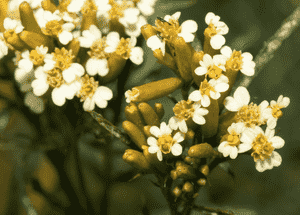
Mexican marigold is generally multiplied by planting seeds. This entails gathering seeds from established plants or obtaining them from a reputable vendor. For effective sprouting, ensure a soil blend that drains efficiently and sustain steady dampness without oversaturation. Plant the seeds superficially, as they need illumination to sprout. Position them in a warm, luminous spot to encourage robust development, and once the young plants have formed their initial true leaves, transfer them to separate containers or directly into the garden, handling with care to prevent damage to the roots.
Optimal Time for Mexican Marigold Propagation
Propagation Method
Seeding
Propagation Period
Spring
Tools Required for Mexican Marigold Propagation
Seed Tray
Seed trays are vital for initiating mexican marigold seeds, especially when employing the sowing technique. They facilitate optimal spacing, allowing each seed ample room to sprout and develop without congestion. Their compact size also simplifies management in controlled environments.
Soil Mix
A premium soil blend, ideally well-draining and moderately fertile, is crucial for the successful germination of mexican marigold seeds. The appropriate soil mix delivers essential nutrients and aeration, fostering healthier root growth and early plant development.
Watering Can with a Fine Rose
This implement allows for gentle irrigation of mexican marigold seedlings, which is critical during the delicate phase of seed germination. The fine rose attachment ensures even water distribution without disturbing the soil or displacing seeds, vital for consistent growth.
Labels and Marker
Labels and a waterproof marker are important for identifying sown mexican marigold seeds, particularly when multiple plant varieties are being propagated simultaneously. Accurate labeling aids in tracking growth progress and maintaining order in the propagation area.
Heat Mat (optional for cooler climates)
A heat mat can be instrumental for mexican marigold seed germination, especially in colder regions. It maintains a consistent soil temperature, a key factor for germination efficiency and speed, thereby enhancing the overall propagation success of mexican marigold.
Post-Propagation Care for Your Mexican Marigold
Post-Propagation Care for Your Mexican Marigold
Following successful propagation of mexican marigold, continue to provide ample sunlight, ensuring at least 6 hours of direct light daily. Water the plant thoroughly but infrequently to encourage deep root development. Regularly inspect for pests such as aphids and spider mites. Fertilize lightly every 4-6 weeks during the growing season to support blooming and overall vitality. Finally, deadhead spent flowers to promote continuous flowering and prevent self-seeding if desired.
Common Errors to Avoid When Propagating Mexican Marigold
Overwatering
Excessive watering of mexican marigold can lead to root rot and fungal diseases, hindering its ability to establish healthy roots during propagation.
Deep planting
Sowing mexican marigold seeds too deeply can impede germination, as these seeds require sufficient light to initiate growth.
Ignoring pest control
Failure to manage pests can harm young mexican marigold shoots, as they are more vulnerable to insect damage during their early growth stages.
Poor soil preparation
Utilizing a poorly draining or nutrient-deficient soil mix can impede the root development of mexican marigold, resulting in weak growth.
Overcrowding
Planting mexican marigold too closely can restrict airflow and sunlight, leading to competition for resources and increased susceptibility to diseases.
Advice for Propagating Mexican Marigold
Adequate moisture
Maintain consistently moist soil for mexican marigold seeds and cuttings to encourage successful germination and root development without causing waterlogging.
Proper seeding depth
Sow mexican marigold seeds on the soil surface or lightly cover with a thin soil layer, allowing light to reach the seeds which is necessary for optimal germination.
Pest monitoring
Regularly check mexican marigold for signs of pests and take immediate action if any are spotted to protect young plants during their vulnerable stages.
Soil preparation
Use a well-draining soil mix rich in organic matter, which will provide mexican marigold with the right balance of nutrients and moisture retention for root establishment.
Spacing
Give mexican marigold adequate space to grow by following recommended planting distances to ensure proper air circulation and reduce competition for light and nutrients.



