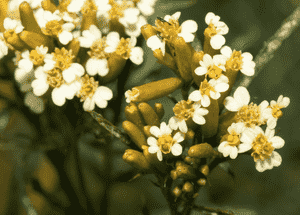
Mexican marigold(Tagetes minuta)

Mexican marigold (Tagetes minuta)

Also known as: Stinking roger, Southern marigold, Wild marigold, Khaki bush

**Advantages of Growing Mexican Marigold (Tagetes minuta):**

1. **Natural Pest Repellent**: Helps keep pests like nematodes, aphids, and whiteflies at bay, making it an excellent companion plant for vegetables.
2. **Improves Soil Quality**: Releases natural compounds into the soil that can suppress harmful pathogens, promoting healthier plant growth.
3. **Visual Appeal**: Features vibrant yellow to orange flowers, enhancing your garden's aesthetic appeal.
4. **Attracts Pollinators**: Draws beneficial insects such as butterflies and hummingbirds, aiding in pollination.
5. **Medicinal and Culinary Uses**: Traditionally used in herbal remedies and can be utilized in some culinary applications.

**Considerations and Precautions:**

1. **Potential Invasiveness**: Can spread quickly and become invasive in certain climates, requiring regular control measures.
2. **Skin Irritation**: The sap can cause contact dermatitis in individuals with sensitive skin, so handling with gloves is advisable.
3. **Toxicity Concerns**: Contains compounds that might be harmful if ingested in large amounts by pets or humans.
4. **Maintenance**: Needs regular pruning to prevent it from overshadowing neighboring plants.
5. **Sunlight and Water Requirements**: Thrives in full sun and prefers well-drained soil, making it unsuitable for overly wet or shaded areas.

By understanding these benefits and taking precautions, you can successfully grow Mexican marigold in your garden while maximizing its positive impact.

Attributes of Mexican marigold

Lifespan
Annual, Biennial
Plant Type
Herb
Plant Height
60 cm to 2 m
Spread
60 cm
Leaf Color
Green
Flower Size
2.5 cm
Flower Color
Yellow White

ForwardPlant - Identify plants with a snap

Identify and diagnose plants, get toxicity alerts, and explore safety guides for all types of fungi.

Try for Free

Images of Mexican marigold

Mexican marigold(Tagetes minuta)

Quickly Identify Mexican marigold

1
Tagetes minuta can be identified by its tall, slender stems, finely divided leaves, and small yellow flowers clustered at the top. The plant emits a strong, pungent smell when crushed.

Scientific Classification of Mexican marigold

Phylum
Vascular plants
Class
Dicotyledons
Order
Asterales
Family
Daisy
Genus
Marigolds
Species
Mexican marigold

Planting and Growing of Mexican marigold

Care Difficulty
Easy
Watering Schedule
Every 4 days
Sunlight Requirements
Full sun
Sunshine Duration
6-10 hours
Ideal Temperature
68-77℉
Soil Type
Potting Mix, Peat Mix
Soil pH
6.5-7.5
Fertilizer Type
Balanced
Pruning Season
Spring, Summer
Pruning Area
Branches, Leaves
Pruning Frequency
2 times a year
Repotting Season
Spring
Pot Type
Plastic, Ceramic

water icon How to Water Mexican marigold?

When watering Tagetes minuta, aim for around 500 milliliters per session. The goal is to keep the soil consistently moist but not waterlogged. Water should penetrate deeply to reach the roots, yet never let the plant stand in water. Proper drainage is crucial.
What are the symptoms of an underwatered Mexican marigold?
What should I do if my Mexican marigold is not getting enough water?
What are the symptoms of an overwatered Mexican marigold?
How to save an overwatered Mexican marigold?

sunlight icon What Are the Sunlight Requirements for Mexican marigold?

Sunlight Requirements: Full sun
Duration of light: 6-8 hours daily
Tagetes minuta requires full sun exposure, meaning it ideally enjoys at least 6-8 hours of sunlight per day, which results in robust growth and prolific flowering.
What is the best type of sunlight for Tagetes minuta?
How can I ensure my Tagetes minuta gets ideal light conditions?
What benefits does ideal lighting bring to Tagetes minuta?
More About Sunlight Requirements Techniques

temperature icon What Is the Ideal Temperature Range for Mexican marigold?

Ideal Temperature: 68 ~ 77℉
The ideal temperature range for Tagetes minuta is between 68°F and 77°F. This temperature range ensures optimal growth and blooming, providing the warmth necessary for the plant's metabolic processes and nutrient uptake.

soil icon What Soil is Best for Mexican marigold?

Soil type: Loam, Sandy loam
Soil PH: 6.5 ~ 7.5
Tagetes minuta thrives in well-drained soil, preventing root rot and allowing roots to access nutrients efficiently. Ensuring the soil does not retain excess water is crucial for healthy plant growth. This plant benefits from soil rich in organic matter and nutrients, supporting vigorous growth and prolific flowering. Adding compost enhances soil fertility, promoting plant vitality. Good soil aeration is essential for Tagetes minuta, as it allows roots to breathe and facilitates beneficial microbial activity, contributing to healthy plant metabolism and growth. More About Soil

fertilize icon How to Fertilize Mexican marigold?

Fertilizer type: Balanced
Tagetes minuta, also known as the wild marigold, thrives best with a balanced approach to fertilization. When using liquid fertilizers, a dilution of 10-20-10 or 15-15-15 NPK can be applied at a rate of about 1 tablespoon per gallon of water. For slow-release fertilizers, apply approximately 1 pound per 100 square feet of garden space. More About Fertilizing Techniques

prune icon How to Prune Mexican marigold?

Pruning Time: Spring, Summer, Autumn
Start pruning by removing dead or diseased stems. This encourages better airflow and allows the plant to focus its energy on healthy growth. Use sharp, clean shears to make clean cuts just above a leaf node to promote healing. Once dead elements are removed, consider shaping Tagetes minuta for a fuller, more aesthetic appearance. Cut stems just above leaf nodes to encourage bushy growth. Balance removal from various parts to maintain the shape without over-pruning. Pruning should always aim to encourage new growth. Cut back stems by up to a third to stimulate new shoots. This not only fosters a lush appearance but also keeps the plant healthy and vibrant throughout its growing seasons.

propagate icon How to Propagate Mexican marigold plant?

Propagate Time: Early spring, Late spring, Early summer
1
Begin by soaking the Tagetes minuta seeds in warm water for 24 hours to soften the seed coat and improve germination rates. Then, sow the seeds about 0.5 cm deep into well-draining soil.
2
Select healthy, disease-free stems with at least 3-4 leaf nodes. Use sterilized scissors to cut 10-15 cm long sections just below a node. Remove the lower leaves to reduce moisture loss.
3
For seeds, maintain consistent moisture, ensuring the soil remains damp but not waterlogged. For cuttings, plant the lower node in a rooting medium and mist periodically to maintain humidity.
More About Propagating Techniques

repot icon How to Repot Mexican marigold plant?

Repotting frequency: Biennial or as needed
1
Look for signs like roots emerging from the drainage holes, compacted or depleted soil, and slowed growth. These indicate that your Tagetes minuta may need a new pot to thrive.
2
Select a pot that is one size larger than the current one with drainage holes. A suitable pot ensures adequate space for root growth and prevents waterlogging, which is beneficial for Tagetes minuta's health.
3
Opt for a well-draining soil mix enriched with organic matter. This helps in maintaining adequate moisture levels while ensuring proper aeration for the roots of Tagetes minuta, promoting healthy growth.

ForwardPlant - Identify plants with a snap

Find the best spots for them to optimize their health, simply using your phone.

Try for Free

Toxicity of Mexican marigold

Is Mexican marigold toxic to humans?

Mexican marigold carries a mild toxicity level for humans, mainly through skin contact or ingestion of its sap. Direct exposure of the sap to the skin can result in dermatitis or various skin irritations. If ingested, the sap may trigger gastrointestinal discomfort, presenting symptoms such as nausea, vomiting, and diarrhea. Although these manifestations can be quite troubling, they are generally not life-threatening. It is important to take precautions to avoid unintentional sap ingestion, and individuals should exercise care when handling this plant to prevent skin exposure to its toxic sap. This risk is especially relevant for gardeners or those who might encounter Mexican marigold in natural settings.

Identify toxic plants for your safety

Learn which plants are harmful to you and your pets, and make informed choices for a safer home!

Try for Free
WARNING
The judgment on toxicity and danger is for reference only. We DO NOT GUARANTEE any accuracy of such judgment. Therefore, you SHALL NOT rely on such judgment. It is IMPORTANT TO SEEK PROFESSIONAL ADVICE in advance when necessary.
More About Toxic Techniques

