How to Propagate Yellowray fremont's-gold?
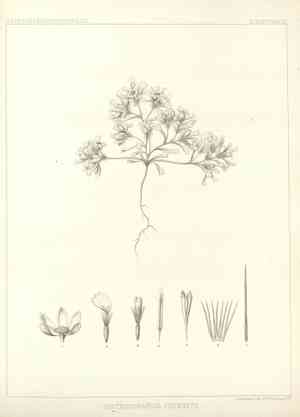
Yellowray fremont's-gold originates from arid regions, flourishing in sandy substrates. To propagate, embed seeds slightly beneath the soil's top layer. The perfect setting replicates its native surroundingsâexcellent drainage, ample sunlight, and limited irrigation. Gently conceal the seeds, guaranteeing steady warmth and humidity until sprouting occurs. Adequate airflow additionally aids in averting fungal problems.
When Is the Optimal Period to Propagate Yellowray Fremont's-gold?
Propagation Type
Sowing
Propagation Season
Spring
What Tools Are Utilized for Yellowray Fremont's-gold Propagation?
Seed Tray
Employed for sowing seeds in a regulated setting to guarantee uniform distribution and prime growth conditions for yellowray fremont's-gold. Each cell can nurture individual seedlings, lessening rivalry and stress.
Sterilized Potting Mix
Offers a pathogen-free medium for seed sprouting and development, ensuring yellowray fremont's-gold seedlings get the best possible start without disease interference.
Humidity Dome
Sustains consistent moisture levels and warmth, crucial for the germination phase of yellowray fremont's-gold. Helps prevent soil desiccation and fosters a microclimate beneficial for seedling growth.
Heat Mat
Ensures the soil temperature stays within the perfect range for yellowray fremont's-gold seed germination, boosting germination rates by keeping the soil warm, especially in cooler environments.
Spray Bottle
Provides a gentle watering method. Mist the soil to avoid disturbing yellowray fremont's-gold seeds, ensuring they stay in place and adequately moist without becoming waterlogged.
Labels
Aids in tracking various sowing dates, seed types, and any specific conditions employed during yellowray fremont's-gold propagation, ensuring precise record-keeping and care.
Small Hand Trowel
Perfect for blending potting medium and filling seed trays with accuracy. Ensures consistent depth and prevents compaction when sowing yellowray fremont's-gold seeds.
Fine Seed Sieve
Used to spread a thin layer of soil or sand over yellowray fremont's-gold seeds after sowing, ensuring good soil-seed contact and proper germination conditions while protecting seeds from being washed away.
How to Propagate Yellowray Fremont's-gold?
Propagation Type
Easy
How to Care for Your Newly Propagated Yellowray Fremont's-gold?
How to Care for Your Newly Propagated Yellowray Fremont's-gold?
Post-transplant, water yellowray fremont's-gold regularly but avoid excessive watering as this species prefers well-drained conditions. Apply mulch around the plant bases to retain moisture and suppress weeds. Fertilize lightly with a balanced feed during the active growth period. Shield young plants from harsh weather, and monitor for pests or diseases. Prune any dead or damaged foliage to encourage robust growth.
Common Errors to Avoid When Propagating Yellowray Fremont's-gold
Overwatering
This can lead to root decay due to the plant's preference for well-drained soils.
Using Rich Soil
Organic-rich soil can hold too much moisture and nutrients, which is unsuitable for yellowray fremont's-gold as it thrives in poor, sandy soils.
Insufficient Light
A lack of adequate sunlight can hinder growth since yellowray fremont's-gold requires full sun to develop effectively.
Overcrowding
Planting too many seeds or cuttings close together can result in competition for resources, impeding their development.
Ignoring Soil pH
Incorrect soil pH can impact nutrient absorption, as yellowray fremont's-gold prefers slightly alkaline soils.
Advice For Propagating Yellowray Fremont's-gold
Well-Drained Soil
Utilize sandy or gritty soil to ensure proper drainage and prevent root rot.
Moderate Watering
Water sparingly, only when the soil is completely dry to avoid overwatering.
Full Sunlight
Position yellowray fremont's-gold in an area where it can receive full sun for at least 6 hours daily.
Spacing
Ensure adequate space between each plant to allow for proper airflow and growth.
Soil pH
Maintain a slightly alkaline soil pH to optimize nutrient uptake.



