
Yellowray fremont's-gold (Syntrichopappus fremontii)
Also known as: Fremont’s gold, Frémont's syntrichopappus
Syntrichopappus fremontii, which can reach a height of 1 to 11 cm and is often branched, somewhat resembles Eriophyllum wallacei. However, it tends to grow in higher elevation areas and typically has about half as many ray flowers compared to Eriophyllum wallacei.
In This Article
Attributes of Yellowray fremont's-gold
Lifespan
Annual
Plant Type
Herb
Plant Height
Up to 20 centimeters
Spread
N/A
Leaf Color
Green
Flower Size
1-2 centimeters
Flower Color
Yellow with white tips
Images of Yellowray fremont's-gold
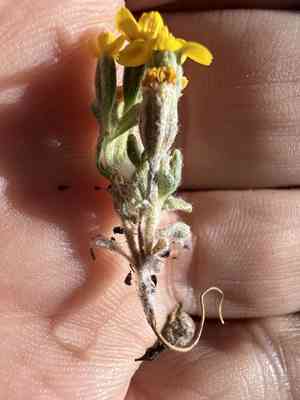
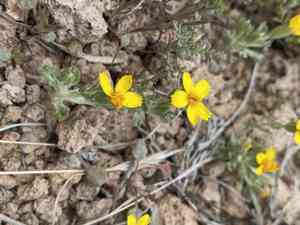
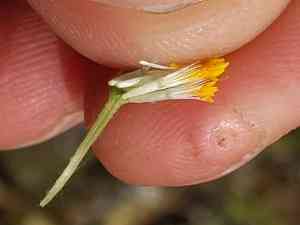
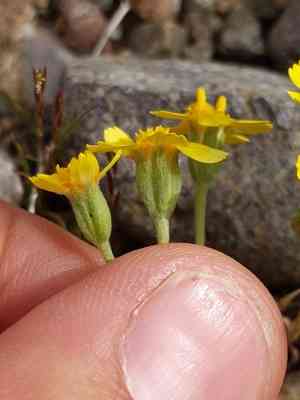
Quickly Identify Yellowray fremont's-gold
1
This plant can be identified by its small size, yellow flower heads with white tips, and its hairy stems and leaves. The most distinctive feature is its glandular-headed trichomes which give the plant a sticky feel.
Scientific Classification of Yellowray fremont's-gold
Phylum
Vascular plants
Class
Dicotyledons
Order
Asterales
Family
Daisy
Genus
Fremont's-gold
Species
Yellowray fremont's-gold
Planting and Growing of Yellowray fremont's-gold
Care Difficulty
Moderate
Watering Schedule
Every 2 days
Sunlight Requirements
Full sun
Sunshine Duration
6-10 hours
Ideal Temperature
60-75℉
Soil Type
Potting Mix, Peat Mix
Soil pH
6.5-7.5
Fertilizer Type
Balanced
Pruning Season
Spring, Summer
Pruning Area
Branches, Leaves
Pruning Frequency
2 times a year
Repotting Season
Spring
Pot Type
Plastic, Ceramic
 How to Water Yellowray fremont's-gold?
When watering Syntrichopappus fremontii, ensure the soil is soaked thoroughly but not waterlogged. Water the plant with approximately 250 ml, allowing the excess to drain out. Keep in mind that it's more critical to maintain consistent moisture levels rather than overwatering.
What are the symptoms of an underwatered Yellowray fremont's-gold?
›
What should I do if my Yellowray fremont's-gold is not getting enough water?
›
What are the symptoms of an overwatered Yellowray fremont's-gold?
›
How to save an overwatered Yellowray fremont's-gold?
›
 What Are the Sunlight Requirements for Yellowray fremont's-gold?
Full sun is ideal for Syntrichopappus fremontii, which allows optimal photosynthesis and energy absorption necessary for vibrant flowering and strong developmental growth, strengthening its immune response against pests and diseases.
Ideal Location
›
Shading Solutions
›
Effect on Growth
›
 What Is the Ideal Temperature Range for Yellowray fremont's-gold?
What is the ideal temperature range for growing Syntrichopappus fremontii? The ideal temperature range for growing Syntrichopappus fremontii is between 60°F and 75°F. This range ensures optimal growth and development, providing the plant with the necessary warmth while avoiding excessive heat that might stress the plant.
 What Soil is Best for Yellowray fremont's-gold?
Syntrichopappus fremontii thrives in well-drained soil crucial for preventing root rot. Adequate drainage ensures the roots have access to oxygen and reduces waterlogging, promoting healthy growth and resilience against diseases. This plant is adapted to nutrient-poor conditions, which mimic its natural habitat. Avoiding rich, fertilized soils can help maintain its characteristic size and flowering ability, ensuring it stays in its natural form and doesn’t grow excessively. Preferring areas with low organic matter reflects its natural desert habitat. This allows Syntrichopappus fremontii to maintain its natural growth cycles and flowering patterns, as excessive organic matter can alter its growth characteristics.
 How to Fertilize Yellowray fremont's-gold?
For Syntrichopappus fremontii, the amount of fertilizer should be moderate. Typically, use about half the recommended dose on the fertilizer package for this species. This plant thrives in nutrient-poor soil, so minimal fertilization is important to avoid excessive growth that can lead to weak stems.
 How to Prune Yellowray fremont's-gold?
Before you begin pruning, take a moment to study the structure of Syntrichopappus fremontii. Identify main stems and assess areas of dense growth. This familiarization will help you make strategic cuts that improve the plant’s aesthetics and reduce overcrowding, enhancing both appearance and health. Keep the balance between promoting new growth and maintaining the plant’s natural shape. Don’t over-prune; the goal is to support the plant’s organic form while removing excess weight that could hinder development. This balance will result in a more attractive and vigorous plant.
More About Pruning Techniques→
 How to Propagate Yellowray fremont's-gold plant?
1
Start by collecting seeds from mature Syntrichopappus fremontii plants. Clean and dry the seeds thoroughly to prevent mold and ensure successful germination.
2
Place the seeds in seed trays filled with well-draining potting soil. Cover them lightly with soil, and water gently to maintain moisture without causing seed displacement.
3
Maintain a warm and sunny environment to support germination. Keep the soil consistently moist, but avoid waterlogging, to encourage healthy seedling growth.
 How to Repot Yellowray fremont's-gold plant?
1
Syntrichopappus fremontii should be repotted when you notice the roots beginning to grow through the drainage holes or if the growth of the plant seems stunted. These are clear signs that your plant needs more room to thrive.
2
Select a pot that is slightly larger than the current one, with adequate drainage holes. Clay pots are ideal as they provide extra aeration and help prevent overwatering, which this plant prefers.
3
Use a soil mixture that ensures excellent drainage, such as a cactus or succulent mix. This type of soil prevents water from lingering around the roots, reducing the risk of root rot, which is crucial for Syntrichopappus fremontii.
Learn More About Yellowray fremont's-gold Diseases
Anthracnose
Bacterial Leaf Spot
Bacterial Wilt
Crown Gall
Cyst Nematode
Damping-off
Downy Mildew
Drought Stress
Fusarium Wilt
Gray Mold
Leaf Spot
Mosaic
Nutrient Deficiency
Nutrient Toxicity
Powdery Mildew
Root Rot
Root-knot Nematode
Rusts
Sooty Mold
Spider Mites
Temperature Stress
Thrips Damage
White Mold



