How to Propagate Annual seablite?
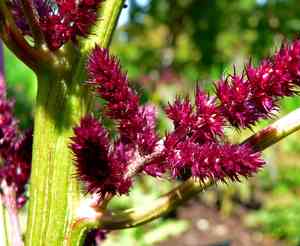
Annual seablite is a halophyte, meaning it's a salt-resistant flora thriving in the salty environments characteristic of shorelines. For multiplying annual seablite, seeding is the preferred technique. Acquire new seeds and plant them superficially in a growing medium that drains effectively, resembling its native sandy or salty earth. Maintain consistent dampness in the substrate, avoiding saturation, to facilitate sprouting. Providing ideal illumination and warmth will foster the prosperous development of annual seablite from seedling to full growth.
Optimal Time for Annual Seablite Propagation
Propagation Method
Seeding
Propagation Period
Spring
Tools for Annual Seablite Propagation
Seed trays
Seed trays are vital for initiating annual seablite seeds in a regulated setting. These containers facilitate even seed distribution, offering ample room for each seedling to develop without early competition. They should feature good drainage to suit annual seablite's preference for well-drained soil.
Misting system
A misting system is essential for maintaining humidity levels around annual seablite, replicating the moist conditions of its native environment. This tool ensures seeds don't dry out during germination, boosting propagation success rates.
Perlite or sand mix
Incorporating perlite or sand into the soil enhances drainage and aeration, crucial for annual seablite, a species adapted to saline, well-aerated soil. This blend prevents waterlogging and root rot, thereby improving seedling health.
Heat mat
A heat mat can be advantageous for annual seablite seed germination, providing consistent soil warmth. This is especially useful in colder climates or months, as it imitates the warm conditions typical of annual seablite's natural habitats, increasing germination rates.
Sterilized soil
Using sterilized soil is critical for preventing soil-borne diseases during the delicate stages of annual seablite propagation. Sterilized soil is free of pathogens and weeds, ensuring a safe growing medium that supports healthy seedling development.
How to Propagate Annual Seablite?
Propagation Type
Simple
Caring for Newly Propagated Annual Seablite
Caring for Newly Propagated Annual Seablite
Post-germination, gradually decrease watering frequency to mimic annual seablite's natural dry habitat, allowing the soil surface to dry between waterings. Slowly expose seedlings to more direct sunlight for acclimatization. Protective netting may be needed to shield young plants from harsh elements and pests initially. As they mature, annual seablite plants require minimal care, thriving in salty, arid conditions without frequent fertilization.
Common Errors to Avoid When Propagating Annual Seablite
Overwatering
Excessive watering can cause root rot, particularly harmful for annual seablite, which thrives in well-drained, salt marsh environments. Too much water reduces oxygen for roots, impeding growth and potentially killing the plant.
Using non-saline water
Irrigating with freshwater can dilute soil salinity, which annual seablite needs for optimal growth. This alteration in soil chemistry can stress the plant, leading to poor development or death.
Inadequate lighting
Annual seablite requires full sunlight to flourish. Insufficient light can result in weak, elongated growth and diminish the plant's overall vigor, making successful propagation less likely.
Tips for Propagating Annual Seablite
Saltwater irrigation
Water annual seablite with saltwater or ensure the soil maintains some salinity. This replicates annual seablite's natural habitat, promoting healthier growth and more successful propagation.
Proper soil mix
Utilize a sandy, well-draining soil mix to prevent waterlogging. Annual seablite's natural habitat is sandy soils, and mimicking this environment helps ensure the plant's health and propagation success.
Full sun exposure
Ensure annual seablite receives full sun exposure. Ample sunlight is crucial for annual seablite's growth, fostering stronger, healthier plants more capable of successful propagation.



