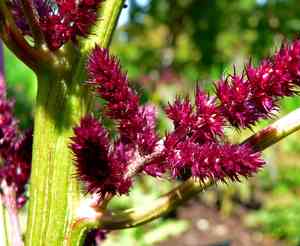
Annual seablite (Suaeda maritima)
Also known as: Herbaceous seepweed, White sea-blite
Annual seablite (Suaeda maritima) is an annual plant that blooms from late summer to late fall, with seeds maturing in the fall. It thrives in full sunlight and prefers moist, well-drained soils. Ideal for coastal areas, it can tolerate saline conditions, making it well-suited for salt marshes and tidal flats.
In This Article
Attributes of Annual seablite
Lifespan
Perennial, Annual
Plant Type
Herb
Plant Height
35 cm
Spread
60 cm
Leaf Color
Green, often with a reddish tint
Flower Size
2 mm to 3.5 mm
Flower Color
Greenish or red
Images of Annual seablite
Quickly Identify Annual seablite
1
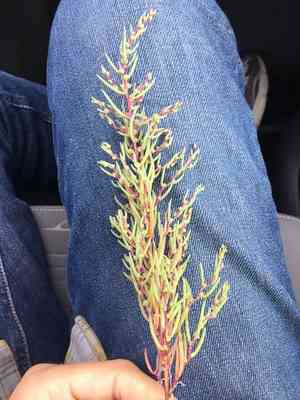
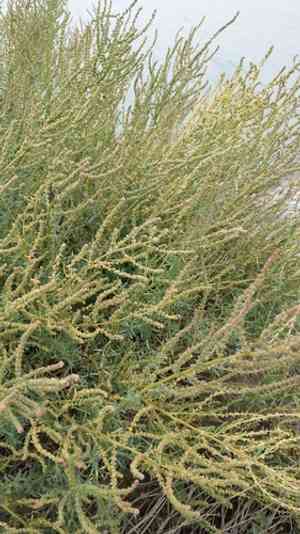
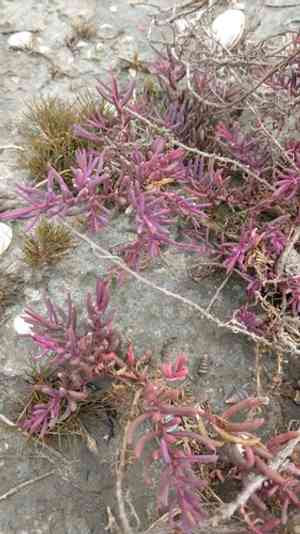
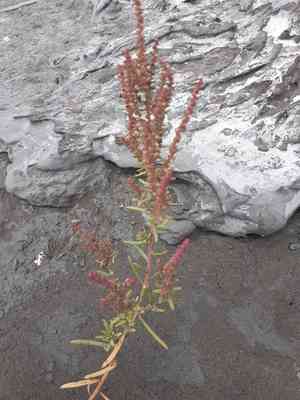
Suaeda maritima can be identified by its succulent, fleshy leaves that are narrow and cylindrical. The leaves often have a reddish tint, especially in the late summer and autumn. The plant produces small, inconspicuous flowers.
Scientific Classification of Annual seablite
Phylum
Vascular plants
Class
Dicotyledons
Order
Caryophyllales
Family
Amaranth
Genus
Seepweeds
Species
Annual seablite
Planting and Growing of Annual seablite
Care Difficulty
Easy
Watering Schedule
Every 3 days
Sunlight Requirements
Full sun
Sunshine Duration
6-12 hours
Ideal Temperature
60-75℉
Soil Type
Potting Mix, Peat Mix
Soil pH
6.5-8.5
Fertilizer Type
Balanced
Pruning Season
Spring, Summer
Pruning Area
Branches, Leaves
Pruning Frequency
2 times a year
Repotting Season
Spring
Pot Type
Plastic, Terracotta
 How to Water Annual seablite?
Suaeda maritima thrives in coastal habitats where the soil moisture varies, so watering should simulate these conditions. Each watering should be deep, approximately 250 ml, ensuring the soil is moist but not waterlogged. Allow the top layer of soil to dry out slightly between waterings to mimic its natural environment.
What are the symptoms of an underwatered Annual seablite?
›
What should I do if my Annual seablite is not getting enough water?
›
What are the symptoms of an overwatered Annual seablite?
›
How to save an overwatered Annual seablite?
›
 What Are the Sunlight Requirements for Annual seablite?
Suaeda maritima ideally requires full sun to partial sun, benefiting from six to eight hours of sunlight daily. These conditions ensure optimal growth, aiding in effective photosynthesis and strengthening the plant against environmental stresses.
More About Sunlight Requirements Techniques→
What type of sunlight is best for Suaeda maritima?
›
How to position Suaeda maritima for ideal light exposure?
›
What are the benefits of ideal lighting for Suaeda maritima?
›
 What Is the Ideal Temperature Range for Annual seablite?
The ideal temperature range for Suaeda maritima is between 60°F and 75°F. This range supports optimal physiological processes, ensuring the plant efficiently performs functions like photosynthesis and nutrient absorption.
 What Soil is Best for Annual seablite?
Suaeda maritima thrives in soils with excellent drainage, preventing root rot and other moisture-related diseases. This quality helps in maintaining optimal plant health and vigorous growth. This plant is adapted to grow in nutrient-poor soils often found in coastal regions. The ability to grow in such environments makes it a resilient option for areas with less fertile substrates. Suaeda maritima has a high tolerance for salinity, allowing it to prosper in coastal and salt marsh areas. This characteristic enables it to extract the necessary nutrients in high-saline soils.
 How to Fertilize Annual seablite?
Suaeda maritima, commonly known as sea blite, thrives in saline environments and often requires minimal fertilizer. However, when cultivating in non-saline conditions, use a balanced fertilizer sparingly. Apply liquid fertilizer at a rate of one tablespoon per gallon of water every month during the growing season.
 How to Prune Annual seablite?
Begin pruning Suaeda maritima in early spring as new growth starts to appear. Use sharp, clean pruning shears to cut back any overly long or dead stems. Aim for a balanced shape, ensuring sunlight can reach the center of the plant. In summer, a lighter trim will control its size and promote further branching.
More About Pruning Techniques→
 How to Propagate Annual seablite plant?
1
Fill seed trays with a well-draining soil mix, ensuring it is moist but not waterlogged. Suaeda maritima seeds require a substrate that mimics their natural coastal habitats.
2
Sow the seeds evenly across the soil surface, pressing them lightly into the soil but not burying them. Ensure adequate space between seeds to prevent overcrowding and promote healthy growth.
3
Water the seeds gently using the watering can with a fine rose. Keep the soil consistently moist, as these seeds need regular watering to successfully germinate.
 How to Repot Annual seablite plant?
1
Suaeda maritima should be repotted when you notice roots emerging from the drainage holes or when the plant's growth has visibly slowed down. These are signs that the plant has outgrown its pot and requires more space to thrive. Ideally, repotting should be done during the growing seasons of spring or early summer, which allow for optimal adaptation.
2
Opt for a pot that is 2 inches larger in diameter than the current one. This size provides ample space for root expansion without overwhelming the plant with excess soil. A pot with drainage holes is essential for preventing waterlogging, which Suaeda maritima, being a salt marsh plant, does not tolerate well.
3
A well-draining sandy soil mix mimics the plant's natural habitat, promoting healthy root growth and preventing root rot. Such soil ensures that water flows freely through the pot, preventing the accumulation of excess moisture and providing an ideal growing medium for Suaeda maritima.



