How to Propagate Lyreleaf jewelflower?
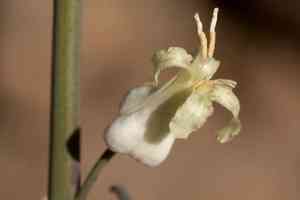
Lyreleaf jewelflower flourishes optimally in permeable ground with abundant solar exposure. For successful propagation, plant seeds directly into the earth once all danger of frost has subsided, making sure they are thinly veiled. Preserve steady hydration, yet prevent oversaturation to avert root decay. This approach fosters robust seedling development and rooting.
When Is the Optimal Time to Propagate Lyreleaf Jewelflower?
Propagation Method
Seeding
Propagation Period
Spring
What Equipment Is Used in Lyreleaf Jewelflower Propagation?
Seed Trays
These are crucial for initiating seeds in a regulated setting. They offer an organized area to sow and observe seeds, ensuring an ideal environment for sprouting.
Seedling Heat Mat
This device aids in sustaining a consistent, ideal temperature for seed sprouting. Lyreleaf jewelflower benefits from the warmth, which accelerates the germination process.
Humidity Dome
Maintaining high humidity levels is vital for seed germination. A humidity dome keeps the air around the seeds moist, preventing desiccation and promoting successful emergence.
Fine Spray Water Bottle
Delicate seedlings require gentle irrigation. A fine spray water bottle allows for precise moisture regulation without excessively disturbing the seeds or soil.
Seed Starting Mix
A specialized soil blend formulated for seed starting ensures proper aeration and moisture retention, providing lyreleaf jewelflower seeds with the best possible conditions for germination.
Labels and Marker
Keeping track of sown seeds is important for organization. Labels and a waterproof marker will help identify lyreleaf jewelflower seedlings, ensuring appropriate care is given to the correct plants.
Germination Station
This is a complete kit that often includes trays, a heat mat, and a humidity dome. It creates an optimal micro-environment for lyreleaf jewelflower seeds, ensuring better germination rates.
How to Propagate Lyreleaf Jewelflower?
Propagation Difficulty
Simple
How to Nurture Your Newly Propagated Lyreleaf Jewelflower?
How to Nurture Your Newly Propagated Lyreleaf Jewelflower?
Post-transplant, ensure lyreleaf jewelflower receives ample sunlight, ideally in a location with partial to full sun exposure. Water moderately, allowing the soil to dry slightly between waterings to prevent root rot. Apply a balanced fertilizer sparingly during the active growth period. Monitor for pests and diseases, and trim any damaged or dead foliage to maintain plant vigor. Mulching around the base can help retain soil moisture and suppress weeds.
Common Errors to Avoid When Propagating Lyreleaf Jewelflower
Overwatering
Excessive moisture can lead to root rot, a common problem that hinders the plant's ability to absorb nutrients and can result in its demise.
Using dense soil
Heavy, compacted soils can impede root development, causing poor water drainage and diminishing the plantâs overall health and propagation success.
Providing inadequate light
Insufficient light will impede photosynthesis, which can stunt growth and hinder successful propagation.
Incorrect spacing
Planting lyreleaf jewelflower too close together can lead to overcrowding, resulting in competition for resources and increased susceptibility to disease.
Advice For Propagating Lyreleaf Jewelflower
Well-draining soil
Utilize a soil mixture that allows for proper drainage to prevent waterlogging and root rot.
Moderate watering
Water the plant moderately, ensuring that the soil remains moist but not saturated to maintain root health.
Correct light exposure
Ensure lyreleaf jewelflower receives sufficient sunlight, ideally indirect light, to support healthy growth and propagation.
Proper spacing
Space the plants appropriately to allow adequate airflow and reduce competition for nutrients, enhancing their growth potential.



