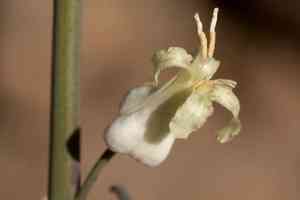
Lyreleaf jewelflower (Streptanthus carinatus)
Also known as: Bracted jewelflower, Lyreleaf jewelflower
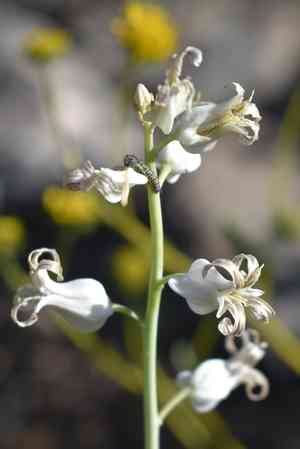
The Lyreleaf jewelflower is a notable wildflower, easily identified by its lyre-shaped leaves and tubular flowers, which are often purple or white. It thrives in rocky, well-drained soils, particularly in chaparral, oak woodlands, and coastal sage scrub environments. This plant's unique flowers are arranged in a raceme, and it is well-adapted to the sunny, Mediterranean climates found in parts of California. Its slender, blue-green foliage and keeled fruit pods make it a distinctive presence in its preferred habitat.
In This Article
Attributes of Lyreleaf jewelflower
Lifespan
Annual
Plant Type
Herb
Plant Height
30 cm to 91 cm
Spread
10 - 30 cm
Leaf Color
Green
Flower Size
1 - 2 cm
Flower Color
Purple
Images of Lyreleaf jewelflower
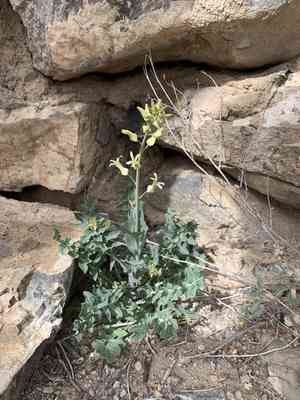
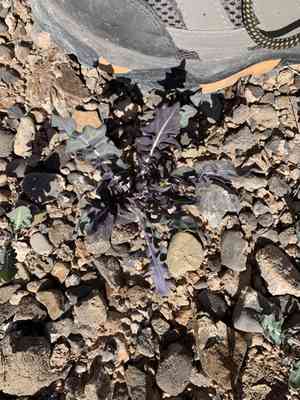
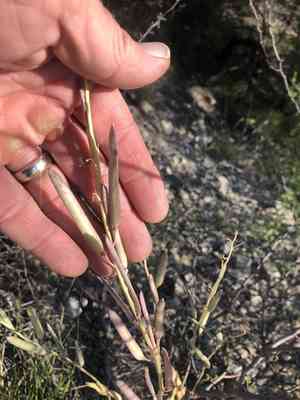
Quickly Identify Lyreleaf jewelflower
1
This plant can be identified by its unique lyre-shaped leaves and bracted flowers. The flowers are usually purple with an inflated calyx, making them easy to distinguish from other species.
Scientific Classification of Lyreleaf jewelflower
Phylum
Vascular plants
Class
Dicotyledons
Order
Brassicales
Family
Cruciferae
Genus
Streptanthus
Species
Lyreleaf jewelflower
Planting and Growing of Lyreleaf jewelflower
Care Difficulty
Moderate
Watering Schedule
Every 2 days
Sunlight Requirements
Full sun
Sunshine Duration
4-6 hours
Ideal Temperature
70-85℉
Soil Type
Potting Mix, Peat Mix
Soil pH
6.5-7.5
Fertilizer Type
Balanced
Pruning Season
Spring, Summer
Pruning Area
Branches, Leaves
Pruning Frequency
2 times a year
Repotting Season
Spring
Pot Type
Plastic, Ceramic
 How to Water Lyreleaf jewelflower?
When watering Streptanthus carinatus, aim to moisten the soil thoroughly but avoid waterlogging. Use around 250ml of water per session, ensuring that the soil feels damp to the touch but not overly saturated. This plant prefers a balance, so it's crucial to find that sweet spot where the soil is moist but allows for proper air circulation.
What are the symptoms of an underwatered Lyreleaf jewelflower?
›
What should I do if my Lyreleaf jewelflower is not getting enough water?
›
What are the symptoms of an overwatered Lyreleaf jewelflower?
›
How to save an overwatered Lyreleaf jewelflower?
›
 What Are the Sunlight Requirements for Lyreleaf jewelflower?
Streptanthus carinatus thrives in full sun to partial sun, where it receives about 4 to 6 hours of sun daily. This range is ideal as it provides enough light for photosynthesis while preventing leaf damage, resulting in healthy growth and vibrant blooms.
What type of lighting does Streptanthus carinatus prefer?
›
What is the solution for achieving ideal lighting?
›
What are the benefits of receiving ideal lighting?
›
 What Is the Ideal Temperature Range for Lyreleaf jewelflower?
The ideal temperature range for Streptanthus carinatus is between 70°F and 85°F. This range allows the plant to thrive, ensuring proper growth and flowering. Maintaining this temperature helps optimize photosynthesis and nutrient uptake, promoting robust development.
 What Soil is Best for Lyreleaf jewelflower?
Streptanthus carinatus thrives in well-drained soil, preventing root rot and promoting healthy growth. Good drainage allows excess water to move away swiftly, ensuring roots have access to oxygen vital for nutrient absorption. Moderate nutrient content is ideal for Streptanthus carinatus, ensuring balanced growth without the risk of nutrient burn or deficiency. This balance aids in producing vibrant foliage and resilient stems, supporting overall plant vitality. Slightly acidic to neutral pH range supports the absorption of essential nutrients for Streptanthus carinatus. Such pH conditions prevent issues like nutrient lockout, promoting robust growth and flowering.
 How to Fertilize Lyreleaf jewelflower?
For Streptanthus carinatus, it is crucial to ensure the right amount of nutrients for optimal growth. When using liquid fertilizer, ensure that the concentration is diluted to about half the recommended strength for houseplants, applying around 200 ml per plant. For slow-release fertilizer, use approximately 10 grams per plant per session.
 How to Prune Lyreleaf jewelflower?
Begin by identifying stems that are overcrowded or crossing each other. This will help ensure that the plant remains healthy and well-ventilated. Use clean, sharp pruners to make precise cuts, which minimizes damage to the plant. Trim the plant to maintain a tidy shape. Focus on cutting back overgrown areas to encourage bushier growth. This not only keeps the plant aesthetically pleasing but also enhances flower production.
More About Pruning Techniques→
 How to Propagate Lyreleaf jewelflower plant?
1
Begin by selecting high-quality seeds and sow them in seed trays filled with a well-draining seed starting mix. Lightly cover the seeds with soil and water gently. Maintain a warm environment to promote germination, which should occur within a few weeks.
2
Choose healthy stems from the parent plant and make a clean cut just below a node. Remove any lower leaves and dip the cut end in rooting hormone. Prepare pots with a well-draining substrate to accommodate the cuttings.
3
Once seedlings have developed several true leaves, they can be transplanted to larger pots or garden beds. Ensure that the new location has suitable soil and adequate sunlight. Water the transplanted seedlings thoroughly to help them settle in their new environment.
 How to Repot Lyreleaf jewelflower plant?
1
Repotting Streptanthus carinatus is best done when you notice roots protruding from the drainage holes of the pot. This indicates that the plant has outgrown its current home. Another signal to repot is when the growth seems stunted and the soil is no longer retaining moisture adequately. Choosing spring or summer gives the plant a chance to establish itself in the warmer months when growth is more vigorous.
2
Select a pot with adequate drainage holes, which is crucial for avoiding waterlogged soil, leading to root rot. The new pot should be one size up from the current pot to provide enough room for root expansion. A choice of terracotta or ceramic pot can also be beneficial as they allow for better air circulation to the roots compared to plastic pots.
3
Opt for a well-draining gritty soil mix, ideal for Streptanthus carinatus which originates from rocky terrains. The soil mix should contain components such as perlite or coarse sand to prevent water retention, which helps in mimicking the natural habitat and promotes healthy root development.
Learn More About Lyreleaf jewelflower Diseases
Anthracnose
Bacterial Leaf Spot
Bacterial Soft Rot
Bacterial Wilt
Clubroot
Crown Gall
Cyst Nematode
Damping-off
Downy Mildew
Drought Stress
Fusarium Wilt
Gray Mold
Leaf Spot
Mosaic
Nutrient Deficiency
Nutrient Toxicity
Powdery Mildew
Root Rot
Root-knot Nematode
Rusts
Sooty Mold
Spider Mites
Temperature Stress
Thrips Damage
White Mold



