How to Propagate Florida hedgenettle?
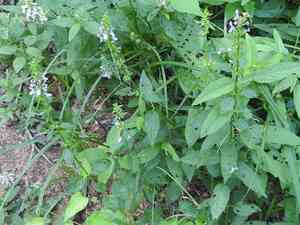
Florida hedgenettle is commonly multiplied via its underground storage organs. Gently detach these tubers from the parent plant while it is inactive, making sure each tuber retains a portion of the root structure. Insert these sections into soil that drains effectively, keeping the substrate sufficiently damp but not waterlogged, to foster root formation and subsequent growth.
Optimal Time for Florida Hedgenettle Propagation
Propagation Method
UtilizeTubers
Propagation Period
Spring
Tools for Florida Hedgenettle Propagation
Garden Trowels
Garden trowels are crucial for excavating and relocating florida hedgenettle tubers. Their slender blade enables precise digging, preventing tuber damage. Ensure the trowel has a comfortable grip and a sturdy blade, as soil conditions may vary.
Potting Mix
Selecting a premium potting mix guarantees that florida hedgenettle tubers have an ideal medium for root formation. The mix should drain well yet retain moisture to support the emergence of new shoots from the tubers.
Watering Can
A watering can with a long spout delivers gentle irrigation, vital during the initial stages of florida hedgenettle's tuber growth. The fine spray ensures even moisture distribution, fostering uniform development without causing soil erosion or tuber displacement.
Labeling Stakes
Employing labeling stakes aids in tracking the growth progress and identification of florida hedgenettle during propagation. This is essential when propagating multiple plants to ensure each tuber's specific care needs are met, preventing mix-ups and optimizing growth conditions.
Growth Hormones (optional)
For propagators aiming for quicker establishment of florida hedgenettle, applying suitable growth hormones can stimulate faster root development from tubers. This should be done according to specific guidelines to avoid overstimulation, which might negatively impact plant health.
How to Propagate Florida Hedgenettle
Propagation Difficulty
Easy
Caring for Newly Propagated Florida Hedgenettle
Caring for Newly Propagated Florida Hedgenettle
Once florida hedgenettle tubers begin to sprout, ensure they receive sufficient sunlight, ideally in partial shade. Apply mulch around the base to retain moisture and suppress weeds. Periodically check for pests and diseases, and remove any damaged foliage to encourage healthy growth. Maintain moderate watering, avoiding overly saturated soil conditions.
Common Errors to Avoid When Propagating Florida Hedgenettle
Overwatering
Excessive moisture can lead to root rot, significantly impacting florida hedgenettle's health and development.
Incorrect Soil Type
Using poorly draining soil can cause waterlogging, which hinders root development.
Insufficient Light
Providing inadequate light can result in weak and elongated growth, making the plant less robust.
Inadequate Spacing
Planting cuttings too close together can lead to overcrowding, limiting access to nutrients and light, impeding growth.
Neglecting Pests and Diseases
Failing to monitor for pests and diseases can result in infestations that damage or kill young plants.
Advice for Propagating Florida Hedgenettle
Use Well-Draining Soil
Ensure the soil mixture allows excess water to escape to prevent root rot.
Maintain Moderate Watering
Keep the soil consistently moist but not waterlogged to promote healthy root development.
Provide Sufficient Light
Place cuttings in an area where they receive indirect sunlight to encourage strong growth.
Ensure Adequate Spacing
Space cuttings appropriately to ensure each plant has ample room for root and foliage growth.
Monitor for Pests
Regularly check for signs of pests and treat immediately to prevent damage to young plants.



