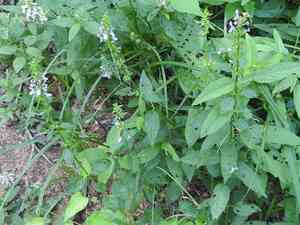
Florida hedgenettle (Stachys floridana)
Also known as: Florida Betony, Rattlesnake Weed
The leaves, arranged oppositely, have blades that can reach a length of up to 6 cm, supported by petioles that extend up to 3.5 cm.
In This Article
Attributes of Florida hedgenettle
Lifespan
Perennial
Plant Type
Herb
Plant Height
50 cm
Spread
50 cm
Leaf Color
Green
Flower Size
2.5 cm
Flower Color
Pink White
Images of Florida hedgenettle
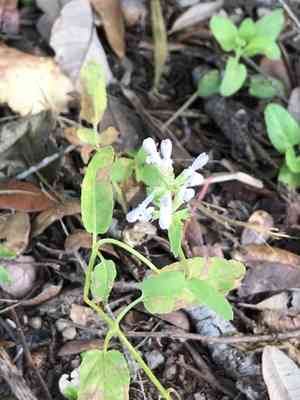
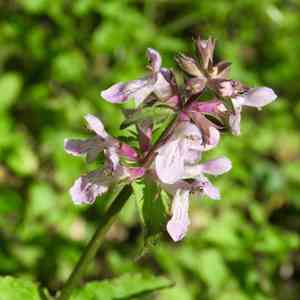
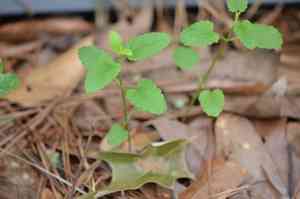
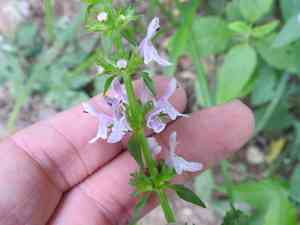
Quickly Identify Florida hedgenettle
1
Square, hairy stems and opposing, coarsely toothed leaves.
2
Whorled clusters of small, two-lipped pink to white flowers.
3
Segmented tubers visible beneath the surface.
4
Fruit that splits into single-seeded segments when mature.
5
Quadrangular stem with branching pattern and hairy texture.
Scientific Classification of Florida hedgenettle
Phylum
Vascular plants
Class
Dicotyledons
Order
Lamiales
Family
Mint
Genus
Hedgenettle
Species
Florida hedgenettle
Planting and Growing of Florida hedgenettle
Care Difficulty
Easy
Watering Schedule
Every 4 days
Sunlight Requirements
Full sun
Sunshine Duration
6-8 hours
Ideal Temperature
60-75℉
Soil Type
Potting Mix, Peat Mix
Soil pH
5.5-7.5
Fertilizer Type
Balanced
Pruning Season
Spring, Summer
Pruning Area
Branches, Leaves
Pruning Frequency
2 times a year
Repotting Season
Spring
Pot Type
Plastic, Ceramic
 How to Water Florida hedgenettle?
For Stachys floridana, water until the soil is moderately moist but not waterlogged. The aim is to thoroughly wet the top 10-15 cm of potting soil, allowing excess to drain out. This encourages deep root growth and helps prevent root rot.
What are the symptoms of an underwatered Florida hedgenettle?
›
What should I do if my Florida hedgenettle is not getting enough water?
›
What are the symptoms of an overwatered Florida hedgenettle?
›
How to save an overwatered Florida hedgenettle?
›
 What Are the Sunlight Requirements for Florida hedgenettle?
Partial sun or full sun is best for Stachys floridana, as it maximizes growth and bloom potential. Proper light enhances photosynthesis, promoting robust health and vibrancy.
What is the best location for Stachys floridana?
›
What if my garden has limited sun exposure?
›
How does ideal light benefit Stachys floridana?
›
 What Is the Ideal Temperature Range for Florida hedgenettle?
The ideal temperature range for Stachys floridana is between 60 and 75 degrees Fahrenheit. Within this range, the plant can perform photosynthesis efficiently, leading to optimal growth and development. Ensuring temperatures remain in this range can help maintain the health and vitality of the plant.
 What Soil is Best for Florida hedgenettle?
Stachys floridana requires well-drained soil to prevent root rot and ensure healthy growth. Adequate drainage allows excess water to escape easily, maintaining an optimal moisture level. This plant thrives in nutrient-rich soil, which provides it with essential minerals for robust growth and vibrant foliage. A nutrient-dense environment fosters stronger root development and overall plant health. Stachys floridana benefits from soil that retains moderate moisture, ensuring the roots have constant access to water without becoming waterlogged. It helps in maintaining plant vitality, especially during dry spells.
 How to Fertilize Florida hedgenettle?
For Stachys floridana, it's important to apply a balanced liquid fertilizer at half the recommended strength. This is because the plant can be sensitive to high nutrient levels. Each time, apply about 1 tablespoon of the diluted solution per plant during the growing season.
 How to Prune Florida hedgenettle?
To prune Stachys floridana, start by sanitizing your pruning shears with rubbing alcohol to prevent transferring diseases. Carefully remove any dead or damaged leaves, cutting them as close to the stem as possible. Trim back overgrown stems to maintain the desired shape of the plant. Aim for a clean, bushy appearance by cutting just above the set of leaves where the stem branches. Dispose of the clippings to prevent any potential spread of pests.
More About Pruning Techniques→
 How to Propagate Florida hedgenettle plant?
1
Collect seeds from mature Stachys floridana plants in late summer. Clean the seeds by removing any external shell material. Before sowing, soak them in water for 24 hours to promote faster germination.
2
Select healthy shoots from the mother plant in spring. Use sharp shears to cut 4-6 inches long cuttings. Remove the lower leaves and dip the cut end in rooting hormone powder before planting.
3
In early spring, carefully dig up a mature Stachys floridana plant. Separate the plant into smaller clumps, ensuring each has a portion of the root system. Replant the divisions directly into the garden or pots, ensuring the roots are well-covered.
 How to Repot Florida hedgenettle plant?
1
Stachys floridana shows signs of needing a new home when its roots begin to emerge from the drainage holes, or when its growth becomes stunted and leaves appear dull. These are surefire indicators that it's time to find a more spacious pot for this lovely plant.
2
Select a pot that is one size larger than the current one, ensuring it has good drainage holes. This allows excess water to escape, preventing root rot, while providing ample space for the roots to expand and for the plant to continue its upward journey.
3
Opt for a well-drained, sandy loam that mimics its natural environment. This type of soil ensures optimal aeration and prevents waterlogging, thus keeping the roots healthy and supporting vigorous growth.
Learn More About Florida hedgenettle Diseases
Anthracnose
Bacterial Leaf Spot
Bacterial Soft Rot
Bacterial Wilt
Black Spot
Chemical Injury
Cyst Nematode
Damping-off
Downy Mildew
Drought Stress
Fusarium Wilt
Gray Mold
Leaf Curl
Leaf Spot
Mosaic
Nutrient Deficiency
Nutrient Toxicity
Powdery Mildew
Root Rot
Root-knot Nematode
Rusts
Sooty Mold
Spider Mites
Temperature Stress
Thrips Damage
White Mold



