How to Propagate Plains bristlegrass?
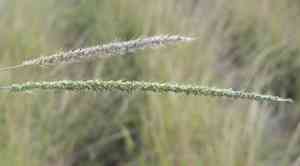
Cenchrus spinifex, a hardy perennial grass, is recognized for its ability to withstand arid conditions and thrive in diverse soil compositions. For reproduction, the most efficient technique is division. Gently divide the plant clusters, making sure every segment possesses sufficient root structure. Replant these sections at their original growing depth to encourage vigorous development. Given appropriate attention, Cenchrus spinifex will rapidly take root and prosper as a sturdy component of prairies and cultivated environments.
When Is the Optimal Time to Propagate Plains Bristlegrass?
Propagation Method
Division
Propagation Period
Spring,Autumn
What Equipment Is Used in Plains Bristlegrass Propagation?
Hand Trowel
A hand trowel is vital for carefully excavating around plains bristlegrass to lift and separate the clumps. Its compact size and pointed blade enable precise digging without causing significant root damage.
Sharp Knife or Garden Shears
These are essential for cutting through the root ball of plains bristlegrass. A clean, sharp cut helps minimize plant stress and promotes faster healing and regrowth, ensuring healthier divisions.
Garden Gloves
Wearing gloves safeguards hands from potential irritation and offers a better grip when handling plains bristlegrass, especially when lifting and dividing the plant clumps.
Watering Can or Hose with Gentle Spray Nozzle
Following division, it is crucial to water the new plants immediately to lessen transplant shock. A gentle spray nozzle delivers a steady flow of water without harming the newly planted divisions.
Garden Fork
A garden fork assists in loosening the soil surrounding plains bristlegrass, making it simpler to lift the plant with minimal root damage. It is particularly useful in dense or compacted soils.
Root-Dipping Solutions
These solutions are applied to treat the roots of plains bristlegrass during division to prevent diseases and encourage root development. Utilizing a root-dipping solution can ensure the divided plants establish quickly and robustly.
Labels and Markers
Labeling the newly divided plains bristlegrass plants is important for organization and monitoring their growth. This can be especially helpful when propagating multiple plants or varieties simultaneously.
Bucket or Container
A container or bucket is used to temporarily hold the divided sections of plains bristlegrass before replanting. This is particularly useful if the divisions cannot be planted immediately, as it keeps the roots moist and viable.
How to Propagate Plains Bristlegrass?
Propagation Type
Easy
How to Nurture Your Newly Propagated Plains Bristlegrass?
How to Nurture Your Newly Propagated Plains Bristlegrass?
After propagating plains bristlegrass, irrigate regularly to maintain soil moisture during establishment. Minimize foot traffic around new plantings to prevent soil compaction. Fertilize sparingly, as plains bristlegrass thrives in moderately fertile soil. Regularly check for and promptly remove weeds to reduce resource competition. Ensure adequate sunlight and monitor for any signs of pests or diseases, addressing them as needed to keep plants healthy.
Common Errors to Avoid When Propagating Plains Bristlegrass
Overwatering
Excessive moisture can lead to root rot, which severely limits the plant's ability to establish itself and grow.
Poor soil drainage
If the soil does not drain well, water can accumulate, creating an unfavorable environment for root development.
Inadequate sunlight
Insufficient light can hinder photosynthesis, leading to weak and improperly developed plants.
Shallow planting
Planting seeds too shallow can expose them to the elements, reducing germination rates and potentially leading to desiccation.
Using non-native soil
Non-native soils may lack the proper nutrients needed for healthy growth, which can stunt the plant's development.
Advice For Propagating Plains Bristlegrass
Moderate watering
Ensure soil is moist but not waterlogged to promote healthy root growth and prevent root rot.
Well-draining soil
Use soil that has good drainage to prevent water from accumulating and suffocating the roots.
Adequate sunlight
Place plants in an area where they can receive full sun for most of the day to support robust growth.
Deep planting
Sow seeds at an appropriate depth to protect them from surface hazards and support optimal germination rates.
Native soil mix
Use a soil mix that closely resembles the plant's native habitat to provide the right balance of nutrients for healthy growth.



