How to Propagate Rock bulrush?
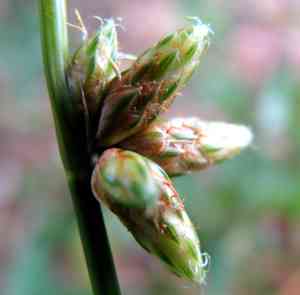
Rock bulrush excels in wetland habitats. To propagate effectively, cultivators ought to employ seed planting. Disperse seeds in a water-retaining medium, replicating the plant's native boggy surroundings. Providing sufficient light and perpetually damp earth will encourage sprouting and robust development, rendering this technique very successful for this particular species.
Optimal Time for Rock Bulrush Propagation
Propagation Type
Sowing
Propagation Season
Spring
Tools for Rock Bulrush Propagation
Seed trays
Seed trays are perfect for germinating rock bulrush seeds in a controlled setting. They facilitate uniform seed distribution, ensuring proper air movement and minimizing fungal disease risk. These trays can be filled with a suitable, well-draining, and light soil mix to encourage strong root growth.
Misting bottle
A misting bottle is employed to gently hydrate rock bulrush seeds without disturbing them. Excessive watering can be harmful, but a fine mist delivers essential moisture for germination without causing soil erosion or seed displacement. Regular misting helps maintain a humid environment, vital for successful germination.
Grow lights
Rock bulrush thrives with consistent light exposure during germination and early development. Grow lights offer regulated light intensity and duration, which is particularly advantageous for indoor propagation or in areas with insufficient natural light. Utilizing grow lights can lead to more uniform seedling growth.
Heat mat
A heat mat promotes seed germination by maintaining a steady soil temperature. This is especially beneficial for rock bulrush, as consistent warmth can significantly boost germination rates and accelerate initial growth. Placing seed trays on a heat mat helps keep the optimal temperature range for rock bulrush.
Peat pots
Peat pots are useful for propagating rock bulrush because they can be directly planted into the ground once seedlings are established. This minimizes root disturbance, which is critical for rock bulrush's root health. Peat pots also decompose naturally in the soil, improving soil structure and further reducing transplant shock.
Propagating Rock Bulrush Guide
Propagation Type
Easy
Post-Propagation Care for Rock Bulrush
Post-Propagation Care for Rock Bulrush
After germination, continue to carefully manage water levels to support healthy rock bulrush growth. Young plants may initially need more stable water levels until they develop a robust root system. Gradually acclimate the plants to varying water depths as they mature to mimic natural conditions. Regular checks for pests and diseases, along with removing any dead or decaying plant material, will foster a healthy growing environment.
Common Errors to Avoid When Propagating Rock Bulrush
Insufficient watering
Failing to provide enough water during the initial propagation stages can hinder root development in rock bulrush. This can make the plant vulnerable to stress and decrease its overall growth and survival rates.
Overcrowding
Planting rock bulrush too closely can restrict air circulation and light penetration, which are vital for healthy growth. This density can also encourage disease development, impacting propagation success.
Using unsuitable soil media
Employing a soil medium that drains poorly or doesn't retain adequate moisture can impede rock bulrush root growth. Suboptimal soil conditions can lead to root rot or other root ailments.
Neglecting initial placement
Placing rock bulrush in an area with inappropriate light conditions can negatively affect their ability to establish and flourish. Too much sunlight can cause dehydration, while too little can hinder photosynthetic efficiency.
Tips for Propagating Rock Bulrush
Maintain moist conditions
Ensure the soil remains consistently damp but not waterlogged. Proper moisture levels are essential for successful root development in rock bulrush.
Provide adequate spacing
Space individual plants sufficiently to allow for good air circulation and light access. Proper spacing helps prevent disease and supports healthier growth.
Select the right soil medium
Use a soil blend that offers good drainage yet retains the necessary moisture to support root growth. A mix of sand and peat is often recommended for rock bulrush.
Monitor light conditions
Position rock bulrush in a location that receives moderate sunlight. Avoid excessively sunny spots which can dry out the plants, as well as deeply shaded areas which might stunt growth.



