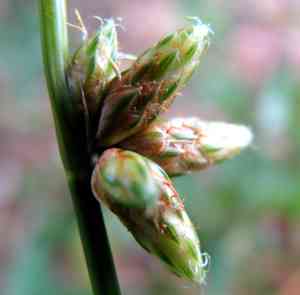
Rock bulrush (Schoenoplectiella juncoides)
Also known as: Hardstem bulrush
The rock bulrush (Lepidosperma tetraphyllum) is a perennial sedge that typically thrives in well-drained, rocky, or sandy soils. It is commonly found in coastal regions, dunes, and heathlands. Unlike some sedges, it is not prevalent in marshes or wetland sites and is not considered a weed in agricultural settings like rice fields.
In This Article
Attributes of Rock bulrush
Lifespan
Annual, Perennial
Plant Type
Grass
Plant Height
76 cm
Spread
30 cm
Leaf Color
Green
Flower Size
3.5 mm to 4 mm
Flower Color
Brown
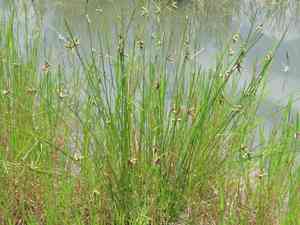
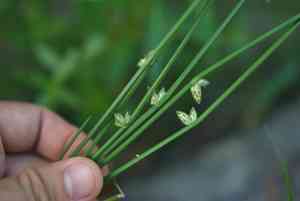
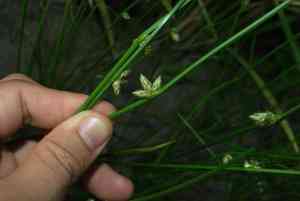
Images of Rock bulrush
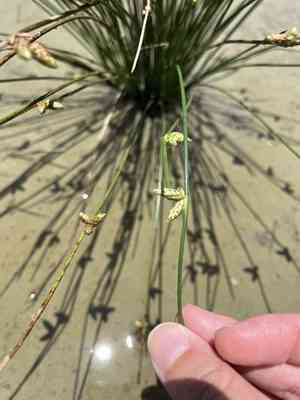
Quickly Identify Rock bulrush
1
To identify Schoenoplectiella juncoides, look for its slender, erect stems that are triangular in cross-section, and its small, clustered spikelets at the top of the stems. The plant often forms dense clumps.
Scientific Classification of Rock bulrush
Phylum
Vascular plants
Class
Monocotyledons
Order
Poales
Family
Sedge
Genus
Schoenoplectiella
Species
Rock bulrush
Planting and Growing of Rock bulrush
Care Difficulty
Easy
Watering Schedule
Every 12 days
Sunlight Requirements
Full sun
Sunshine Duration
6-10 hours
Ideal Temperature
68-77℉
Soil Type
Potting Mix, Peat Mix
Soil pH
6.5-7.5
Fertilizer Type
Balanced
Pruning Season
Spring, Summer
Pruning Area
Branches, Leaves
Pruning Frequency
2 times a year
Repotting Season
Spring
Pot Type
Plastic, Ceramic
 How to Water Rock bulrush?
The watering amount for Schoenoplectiella juncoides should ensure the soil is thoroughly moist, without being waterlogged. This means approximately 500 ml per watering session, aiming to saturate the soil evenly throughout the pot or garden bed.
What are the symptoms of an underwatered Rock bulrush?
›
What should I do if my Rock bulrush is not getting enough water?
›
What are the symptoms of an overwatered Rock bulrush?
›
How to save an overwatered Rock bulrush?
›
 What Are the Sunlight Requirements for Rock bulrush?
Schoenoplectiella juncoides thrives in full sun to partial sun settings. Access to the ideal light range promotes efficient growth, ensuring robust health and aesthetic appeal.
What is the optimal light level?
›
How can you provide ideal lighting?
›
What are the benefits of ideal lighting?
›
 What Is the Ideal Temperature Range for Rock bulrush?
Schoenoplectiella juncoides ideally thrives in temperatures ranging from 68°F to 77°F. This range supports optimal growth and metabolic processes, ensuring the plant can photosynthesize efficiently and absorb nutrients effectively.
 What Soil is Best for Rock bulrush?
Schoenoplectiella juncoides thrives in soil that retains moisture well, which is key for its growth due to its natural wetland habitat. The ability to hold water ensures the plant remains hydrated, mimicking its natural environment perfectly. This plant benefits from soil rich in organic matter, which provides essential nutrients and fosters healthy growth. A soil enriched with nutrients ensures that the plant's metabolic processes function optimally, promoting vibrant foliage and robust development. While moisture retention is vital, it's equally important that the soil has good drainage to prevent root rot. Well-draining soil guarantees that excess water is efficiently removed, protecting the plant from waterlogged conditions and consequent diseases.
 How to Fertilize Rock bulrush?
When fertilizing Schoenoplectiella juncoides, it is crucial to use balanced fertilizers. For liquid fertilizers, use a solution with a nutrient balance of 10-10-10, diluted to half strength. For slow-release fertilizers, a small amount, approximately one tablespoon per square foot, evenly distributed around the plant, suffices.
 How to Prune Rock bulrush?
Start by inspecting the plant for any dead or damaged stems. These should be removed first to prevent disease spread and to encourage healthy growth. Trim back any overgrown or unruly stems to maintain the desired shape and size. Cut just above a node where a leaf joins the stem to promote new growth. Ensure all clippings are removed from the plant's vicinity to prevent any potential pest infestations or fungal infections.
More About Pruning Techniques→
 How to Propagate Rock bulrush plant?
1
Fill the seed tray with a mixture of vermiculite and peat moss, which provides well-draining and nutrient-rich soil for seeds. Moisture should be evenly distributed to encourage germination.
2
Sprinkle the seeds evenly over the surface of the seed tray soil. Lightly press them into the soil to secure contact but do not cover them with soil as they require light for germination.
3
Carefully dig up the mature plant and shake off excess soil from the roots. Using a sharp knife or spade, divide the clump into smaller sections, ensuring each section has healthy roots and shoots.
 How to Repot Rock bulrush plant?
1
Look for signs such as roots emerging through drainage holes, poor water retention, or stunted growth. If you notice these indicators, it means your Schoenoplectiella juncoides has outgrown its current pot and will benefit from repotting. Spring or early summer is ideal, as the plant is entering its active growth phase.
2
Choose a pot that is one size larger than the current one, with ample drainage holes to ensure excess water can escape. This prevents root rot, a common problem with water-loving plants like Schoenoplectiella juncoides. Opting for a breathable material like terracotta can also enhance aeration.
3
Utilize a rich, well-draining soil mix, preferably comprising components like peat, perlite, and some organic matter. This blend ensures your plant receives the necessary nutrients while allowing excess water to drain away, preventing the soil from becoming waterlogged.



