How to Propagate Coastal blacksnakeroot?
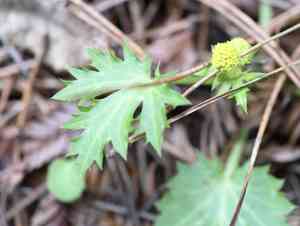
Coastal blacksnakeroot is a perennial herb distinguished by its lobed foliage and diminutive yellow blossoms. It flourishes in adequately drained ground with areas of partial shade. For successful propagation via seeding, confirm that seeds are sown on the surface and gently pressed into damp soil to achieve superior germination. Sustaining a steady moisture level without saturation is crucial during the early phases of development. Employing a fine spray for irrigation can avert the dislodgement of seeds.
Optimal Time for Coastal Blacksnakeroot Propagation
Propagation Type
Sowing
Propagation Season
Spring
Tools for Coastal Blacksnakeroot Propagation
Seed Tray
A seed tray is crucial for the initial sowing of coastal blacksnakeroot seeds. It offers a controlled setting for germination, keeping seeds in a small, manageable space where moisture and temperature can be closely monitored. Choose a tray with good drainage to prevent waterlogging, which harms coastal blacksnakeroot seedlings.
Fine Potting Mix
Utilize a premium, well-draining fine potting mix for sowing coastal blacksnakeroot seeds. This soil type holds moisture without becoming saturated, creating an ideal growth medium for seed germination and root development. A sterile mix is preferred to prevent diseases during the vulnerable seedling stage.
Humidity Dome
A humidity dome helps maintain high humidity levels around coastal blacksnakeroot seeds after sowing. This is especially beneficial during germination, as consistent moisture promotes faster and more reliable sprouting. Ensure the dome has vents for air circulation to prevent mold.
Heat Mat
Place a heat mat beneath the seed tray to provide consistent bottom warmth, significantly boosting coastal blacksnakeroot germination rates. The heat encourages quicker seedling emergence and robust root growth. Monitor the temperature carefully, as overheating can harm the seeds.
Spray Bottle
A spray bottle allows for gentle watering of coastal blacksnakeroot seeds without dislodging them. The fine mist ensures even moisture distribution across the soil surface, vital for keeping seeds moist without waterlogging. This method also reduces soil compaction compared to direct pouring.
Seedling Labels
Labeling your seed trays with seedling labels helps track different batches of coastal blacksnakeroot seeds. Accurate labeling is essential for monitoring growth stages and aids in eventual transplantation, preventing mix-ups with other species propagated simultaneously.
How to Propagate Coastal Blacksnakeroot?
Propagation Type
Easy
Caring for Newly Propagated Coastal Blacksnakeroot
Caring for Newly Propagated Coastal Blacksnakeroot
Post-transplant, water seedlings regularly but avoid saturation, ensuring good soil drainage. Provide partial shade to mimic natural forest conditions and shield young plants from extreme temperatures. Routinely check for pests and diseases, and prune damaged foliage to encourage healthy development.
Common Propagation Mistakes for Coastal Blacksnakeroot
Overwatering
Root rot can develop, impeding the establishment of young plants.
Improper Soil
Using soil that retains too much water or lacks balanced nutrients can stress the plant.
Incorrect Light Conditions
Exposure to either excessive sunlight or too much shade can hinder growth and propagation.
Handling Seeds Incorrectly
Damaging seeds during handling or planting can decrease germination success.
Tips For Propagating Coastal Blacksnakeroot
Well-Draining Soil
Ensure the soil drains effectively to prevent waterlogging and root rot.
Right Soil Mix
Use a balanced soil mix that provides essential nutrients without retaining excessive moisture.
Moderate Light Exposure
Provide the plant with an optimal light balance, ensuring adequate sunlight without harsh conditions.
Gentle Seed Handling
Handle seeds carefully to avoid damage, improving germination rates.



