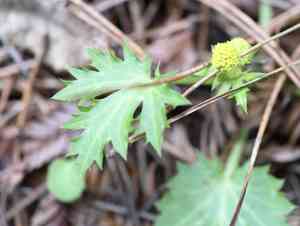
Coastal blacksnakeroot (Sanicula laciniata)
Also known as: Laceleaf sanicle
Coastal blacksnakeroot, despite its medicinal-like odor, is favored in floral arrangements for its impressive vertical growth and lush, vibrant green foliage. The plant's eye-catching white flower spikes and distinctive seed heads lend a unique and elegant touch to any display, making it a popular choice among florists.
In This Article
Attributes of Coastal blacksnakeroot
Lifespan
Perennial
Plant Type
Herb
Plant Height
30 to 60 cm
Spread
N/A
Leaf Color
Green
Flower Size
1 to 2 mm
Flower Color
Yellowish-green
Images of Coastal blacksnakeroot
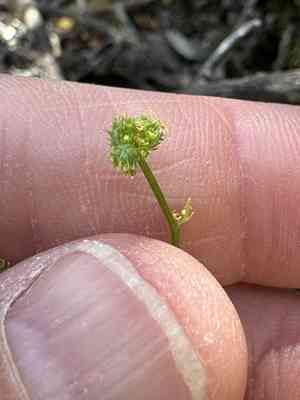
Quickly Identify Coastal blacksnakeroot
1
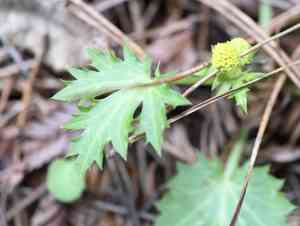
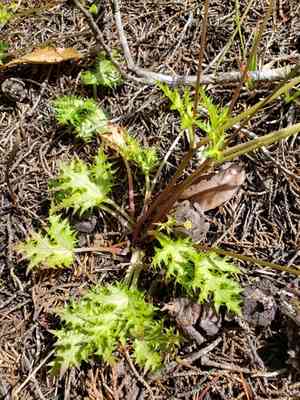
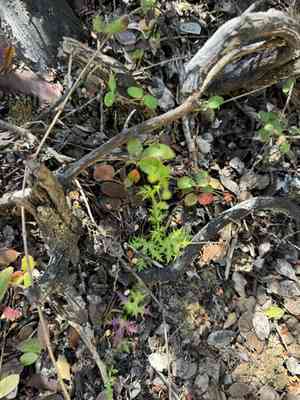
Sanicula laciniata can be identified by its deeply divided, fern-like leaves and clusters of small, yellowish-green flowers. The leaves are lobed and the plant generally has a rosette form at the base with flowering stems emerging from the center.
Scientific Classification of Coastal blacksnakeroot
Phylum
Vascular plants
Class
Dicotyledons
Order
Apiales
Family
Umbellifers
Genus
Sanicle
Species
Coastal blacksnakeroot
Planting and Growing of Coastal blacksnakeroot
Care Difficulty
Easy
Watering Schedule
Every 2 days
Sunlight Requirements
Partial sun
Sunshine Duration
6-10 hours
Ideal Temperature
60-75℉
Soil Type
Potting Mix, Peat Mix
Soil pH
6.5-7.5
Fertilizer Type
Balanced
Pruning Season
Spring, Summer
Pruning Area
Branches, Leaves
Pruning Frequency
2 times a year
Repotting Season
Spring
Pot Type
Plastic, Ceramic
 How to Water Coastal blacksnakeroot?
Sanicula laciniata requires moderate watering. When watering, aim to soak the soil thoroughly without causing waterlogging. The principle here is to ensure the soil is evenly moist. Pour approximately 300 ml of water each time, checking that excess water drains away, indicating the soil has absorbed enough.
What are the symptoms of an underwatered Coastal blacksnakeroot?
›
What should I do if my Coastal blacksnakeroot is not getting enough water?
›
What are the symptoms of an overwatered Coastal blacksnakeroot?
›
How to save an overwatered Coastal blacksnakeroot?
›
 What Are the Sunlight Requirements for Coastal blacksnakeroot?
Sanicula laciniata thrives best under partial sun to full shade conditions, ideal for environments mimicking light-dappled forest floors. Balanced light exposure enhances its photosynthetic efficiency, ensuring lush, green foliage.
Question: What are the best locations for Sanicula laciniata?
›
Question: How can you mimic natural lighting conditions indoors?
›
Question: Why is it essential to avoid full sun exposure?
›
 What Is the Ideal Temperature Range for Coastal blacksnakeroot?
Sanicula laciniata thrives best between 60°F and 75°F. This range provides the optimal conditions for photosynthesis, nutrient absorption, and growth. Maintaining this temperature range ensures the plant’s physiological processes occur at the most efficient rate.
 What Soil is Best for Coastal blacksnakeroot?
Sanicula laciniata thrives in well-drained soils that prevent waterlogging, promoting healthy root systems and facilitating nutrient uptake. Rich in organic matter, the soil should provide essential nutrients and enhance soil structure, ensuring robust growth and resilience. The plant prefers soils with consistent moisture levels to maintain hydration, supporting its lush foliage and flower development.
 How to Fertilize Coastal blacksnakeroot?
Sanicula laciniata generally requires light to moderate fertilization. For liquid fertilizers, use a balanced 10-10-10 formula diluted to half strength; apply 200ml per plant. For slow-release granules, sprinkle no more than a tablespoon per square foot of soil.
 How to Prune Coastal blacksnakeroot?
Young Sanicula laciniata plants are delicate and should be pruned very lightly to shape them and encourage strong foundational growth. Concentrate on removing dead or damaged foliage, avoiding heavy cuts that could stress the plant. Over-pruning can cause undue stress and reduce flowering in Sanicula laciniata. Aim to remove no more than ⅓ of the plant's foliage at one time to ensure it retains enough leaves for photosynthesis and healthy growth. Late winter to early spring is ideal for pruning Sanicula laciniata, as it prepares for new growth. Avoid pruning in extreme temperatures or drought conditions to prevent additional stress on the plant.
More About Pruning Techniques→
 How to Propagate Coastal blacksnakeroot plant?
1
Begin by collecting seeds from mature Sanicula laciniata plants. Ensure the seeds are fully ripened before harvesting to improve their viability and likelihood of successful germination.
2
Prepare a well-draining soil mix by combining garden soil with peat moss and perlite. This ensures the seeds have a nutrient-rich environment with adequate moisture control.
3
Fill seed trays or pots with the prepared soil mix. Sow the seeds evenly across the soil's surface and cover them lightly with a layer of soil or vermiculite, ensuring they are not buried too deeply.
 How to Repot Coastal blacksnakeroot plant?
1
Sanicula laciniata needs repotting when roots start circling the pot's interior or protruding through drainage holes, indicating it's root-bound. Another sign is slowed growth despite adequate care. Over time, soil can deplete nutrients or compact, stunting growth. Repotting in spring, as it awakens from dormancy, minimizes stress and supports robust regrowth.
2
Select a pot that's one size larger than the current one to allow room for growth, ensuring it has ample drainage holes. A terracotta pot is excellent as it wicks moisture and improves airflow, reducing overwatering risk. It's crucial for keeping Sanicula laciniata healthy, preventing root rot, and maintaining hydration balance by preventing waterlogging while letting excess water escape.
3
Opt for a well-draining, loamy soil mix that balances moisture retention with drainage. Amend the potting soil with sand or perlite to encourage aeration and prevent compaction over time. This kind of soil supports root health by enabling proper water and nutrient flow and minimizes the susceptibility to fungal problems or root rot, keeping the plant thriving.
Learn More About Coastal blacksnakeroot Diseases
Anthracnose
Bacterial Leaf Spot
Bacterial Soft Rot
Bacterial Wilt
Chemical Injury
Crown Gall
Cyst Nematode
Damping-off
Downy Mildew
Drought Stress
Fusarium Wilt
Gray Mold
Leaf Spot
Mosaic
Nutrient Deficiency
Nutrient Toxicity
Powdery Mildew
Root Rot
Root-knot Nematode
Rusts
Sooty Mold
Spider Mites
Temperature Stress
Thrips Damage
White Mold



