How to Propagate Musk rose?
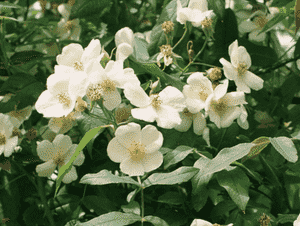
The musk rose, celebrated for its aromatic flowers and graceful look, can be effectively multiplied using cuttings. To multiply musk rose, select robust semi-hardwood cuttings, making sure each possesses a minimum of two nodes. Detach the bottom set of leaves and immerse the severed tip in rooting compound prior to embedding it in well-draining, somewhat acidic earth. Maintain consistent moisture in the soil and offer diffused sunlight to encourage root formation.
Optimal Period for Musk Rose Propagation
Propagation Method
Cutting
Propagation Period
Autumn,Winter
Tools for Musk Rose Propagation
Sharp Pruning Shears
Utilized for taking precise, clean cuttings from musk rose. Minimizes harm to the parent plant and boosts the likelihood of successful rooting for the cuttings.
Rooting Hormone
Applied to the severed ends of musk rose cuttings, this hormone promotes quicker, stronger root development. Especially helpful in enhancing propagation success rates.
Sterile Potting Mix
Offers a pathogen-free medium for root growth in musk rose cuttings. Ensures superior drainage and aeration, crucial for preventing root rot and fostering robust development.
Propagation Trays
Accommodates multiple musk rose cuttings in a regulated setting, simplifying management and progress monitoring. Aids root growth and lessens transplant shock later on.
Misting Bottle
Maintains the required humidity around musk rose cuttings without excessive watering. Essential for keeping foliage and stems hydrated as roots form.
Heating Mat
Supplies warmth from below to musk rose cuttings to stimulate root formation, particularly useful in colder climates or during winter months.
Clear Plastic Dome
Generates a miniature greenhouse effect over musk rose cuttings, preserving humidity and warmth, which are vital for successful rooting.
How to Propagate Musk Rose?
Propagation Type
Moderately Easy
Caring for Your Newly Propagated Musk Rose
Caring for Your Newly Propagated Musk Rose
Post-rooting, gradually introduce musk rose to standard humidity levels by airing the cover over several days. Keep the soil consistently moist but not waterlogged. Provide ample light and ensure good air circulation to deter diseases. Regularly check for new growth, indicating successful root development. Once established, transplant musk rose to an appropriate garden spot or larger container, and continue to water and fertilize as needed for healthy growth.
Common Errors to Avoid When Propagating Musk Rose
Incorrect Soil Composition
Employing soil that lacks proper drainage or is too dense can lead to root rot and poor root development.
Overwatering
Excessive moisture can cause root rot and fungal infections, resulting in the demise of cuttings or seedlings.
Using Weak or Infected Cuttings
Choosing diseased or weak cuttings reduces the chances of successful propagation due to poor health and disease transmission.
Insufficient Light
Providing too little light can hinder growth and result in weak, leggy plants.
Inconsistent Temperature and Humidity
Failing to maintain a stable environment can stress the plant and impede rooting.
Tips For Propagating Musk Rose
Utilize Well-Draining Soil
Choose a soil mix that ensures good drainage to prevent waterlogging and root rot.
Water Sparingly
Keep the soil moist but not saturated; allow the surface to dry slightly between waterings to avoid rot and fungal issues.
Select Healthy Cuttings
Opt for strong, healthy cuttings free from disease and pests to increase the likelihood of successful propagation.
Provide Adequate Light
Ensure the cuttings receive plenty of indirect light to promote healthy growth without causing them to stretch or weaken.
Maintain Consistent Environment
Keep the temperature and humidity levels stable to reduce stress and encourage root development.



