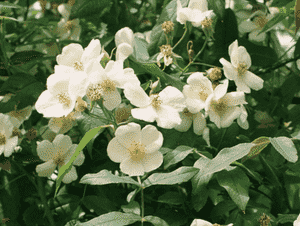
Musk rose (Rosa moschata)
Also known as: Musk Rose
Rosa moschata, known as the musk rose, is a deciduous shrub that can reach up to 3 meters in height. It features clusters of single white flowers, each about 5 cm in diameter, arranged in loose cymes or corymbs. Blooming primarily on new growth, its flowering season extends from late spring to late autumn in warmer climates and from late summer onwards in cooler regions. The flowers have long, slender sepals measuring around 2 cm. Known for their distinct "musky" fragrance, the scent originates from the stamens and is a trait passed on to some of its hybrid descendants.
In This Article
Attributes of Musk rose
Lifespan
Perennial
Plant Type
Vine, Shrub
Plant Height
3.5 m
Spread
2 m
Leaf Color
Green Blue Silver
Flower Size
Approximately 5 cm (2 inches)
Flower Color
White
Images of Musk rose
Quickly Identify Musk rose
1
Rosa moschata can be identified by its medium-sized, white flowers that form in clusters, its strong musky fragrance, and its semi-permanent, shrubby growth habit. The leaves are pinnate, typically with five to seven leaflets, and the stems often have small, curved thorns.
Scientific Classification of Musk rose
Phylum
Vascular plants
Class
Dicotyledons
Order
Rosales
Family
Rose
Genus
Roses
Species
Musk rose
Planting and Growing of Musk rose
Care Difficulty
Moderate
Watering Schedule
Every 4 days
Sunlight Requirements
Full sun
Sunshine Duration
4-8 hours
Ideal Temperature
60-75℉
Soil Type
Potting Mix, Peat Mix
Soil pH
6.5-7.5
Fertilizer Type
Balanced
Pruning Season
Spring, Summer
Pruning Area
Branches, Leaves
Pruning Frequency
Once a year
Repotting Season
Spring
Pot Type
Plastic, Ceramic
 How to Water Musk rose?
Rosa moschata enjoys well-drained soil that retains moisture but doesn’t stay soggy. When watering, ensure the soil is thoroughly soaked up to a depth of about 6 inches, meaning around 500 ml per plant, while allowing the top inch to dry out between waterings.
What are the symptoms of an underwatered Musk rose?
›
What should I do if my Musk rose is not getting enough water?
›
What are the symptoms of an overwatered Musk rose?
›
How to save an overwatered Musk rose?
›
 What Are the Sunlight Requirements for Musk rose?
Rosa moschata thrives in full to partial sun, needing 6-8 hours of sunlight. Ideal light ensures strong bloom production, vibrant foliage, and robust plant health. Adequate light exposure aids in energy conversion necessary for flowering.
What is the ideal lighting solution for Rosa moschata?
›
How can I achieve these lighting conditions for Rosa moschata?
›
What benefits will Rosa moschata experience from ideal lighting?
›
 What Is the Ideal Temperature Range for Musk rose?
Rosa moschata thrives best within a temperature range of 60 to 75°F (15 to 24°C). This range ensures optimal blooming and growth. Temperatures below or above this range can stress the plant, affecting its development and flower production. Maintaining this ideal range promotes healthy foliage and robust flower display, making it essential for gardeners aiming for vibrant blossoms.
 What Soil is Best for Musk rose?
Rosa moschata thrives in well-drained soils that prevent waterlogging, essential for healthy root growth. Well-drained soil ensures the roots have access to necessary oxygen, promoting vigorous plant health and reducing the risk of root diseases. Soils rich in organic matter provide essential nutrients for Rosa moschata, contributing to its robust flowering capabilities. Organic matter also enhances soil texture and moisture retention, which is vital for consistent growth during flowering seasons. Rosa moschata prefers soil that retains moderate moisture without becoming too soggy. This balance ensures the plant has consistent access to water, which is crucial during blooming periods, yet avoids issues related to excessive moisture, such as root rot.
 How to Fertilize Musk rose?
Rosa moschata benefits from a balanced approach to fertilization. Typically, one would apply a water-soluble fertilizer with an N-P-K ratio like 10-10-10 at a quarter strength during the growing season. You should ensure not to overwhelm its root system, which could lead to detrimental effects.
 How to Prune Musk rose?
Begin by cutting away any dead or damaged branches. Look for brown or black stems, which indicate they are unhealthy, and remove them completely at the base. Shape the Rosa moschata by pruning the canes to about one-third of their original size. This encourages the plant to develop a balanced structure and stimulates new, vigorous growth. Trim branches growing towards the center of the plant to improve air circulation. This helps to prevent diseases by ensuring that the foliage does not remain wet for extended periods. After pruning, keep an eye on the plant throughout the growing season. Remove any new growth that appears weak or diseased to maintain plant health.
More About Pruning Techniques→
 How to Propagate Musk rose plant?
1
Before planting, soak Rosa moschata seeds in water for 24 hours. This helps to soften the seed coat, which facilitates germination by allowing moisture to penetrate.
2
Select healthy, semi-hardwood stems for cuttings. Cut about 6 inches long and remove the lower leaves, leaving just a couple of leaves on top. Dip the cut end into rooting hormone to enhance root development.
3
For grafting, choose a healthy rootstock and scion. Make a clean cut on both, then align and bind them tightly with grafting tape. Place the grafted plant in a sheltered location until it establishes.
 How to Repot Musk rose plant?
1
The ideal time to repot Rosa moschata is when you notice roots popping out of the drainage holes or the soil drying out faster than usual after watering. These are signs that the plant is becoming root-bound and needs more space to grow.
2
Select a pot that is one size larger than the current one and has ample drainage holes. This ensures proper root expansion and prevents waterlogging. A clay pot is beneficial as it absorbs excess moisture, providing a stable growing environment for the plant.
3
Use a well-draining, loamy mix to repot Rosa moschata. This type of soil prevents water accumulation at the roots, reducing the risk of root rot and promoting healthy growth. A mix of sand, peat, and garden soil works perfectly.
Learn More About Musk rose Diseases
Anthracnose
Bacterial Leaf Spot
Black Spot
Chemical Injury
Crown Gall
Damping-off
Downy Mildew
Drought Stress
Fusarium Wilt
Gray Mold
Leaf Curl
Leaf Spot
Mosaic
Nutrient Deficiency
Nutrient Toxicity
Powdery Mildew
Root Rot
Root-knot Nematode
Rusts
Sooty Mold
Spider Mites
Temperature Stress
Thrips Damage
White Mold



