How to Propagate Largeflower mexican clover?
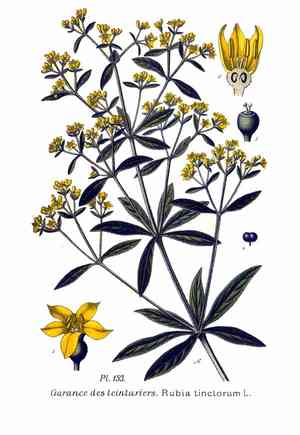
Largeflower mexican clover is best multiplied via cuttings during the spring or summer seasons. Its propagation presents a moderate level of challenge. The emergence of fresh foliage and roots indicates successful growth. Maintaining steady hydration is advantageous for effective establishment.
Optimal Time for Largeflower Mexican Clover Propagation
Propagation Method
Cutting
Propagation Period
Spring, Summer
Tools Required for Largeflower Mexican Clover Propagation
Pruners or Scissors
Sharp, sanitized pruners or scissors are essential for taking cuttings from largeflower mexican clover. Their cleanliness and sharpness ensure a clean cut, minimizing disease risk and damage to the parent plant, thereby improving the cutting's rooting potential.
Rooting hormone
Applying rooting hormone to the severed end of largeflower mexican clover cuttings enhances the probability of successful root formation. Rooting hormone contains compounds that stimulate root cell elongation and division, boosting rooting effectiveness.
Sterilized potting mix
Sterilized potting mix provides a pathogen-free environment for largeflower mexican clover cuttings to develop roots. The absence of harmful microorganisms in the medium is vital for preventing root rot and other diseases during the vulnerable initial rooting stage.
Propagation tray or pots
A propagation tray or small containers offer a suitable vessel for planting largeflower mexican clover cuttings. Utilizing a tray with individual cells or pots helps maintain necessary humidity and creates a controlled environment, fostering better root development.
Plastic domes or clear plastic bags
These items help maintain a high-humidity atmosphere around largeflower mexican clover cuttings, which is crucial for preventing them from drying out before rooting. Humidity domes or clear plastic bags trap moisture, benefiting leaf cuttings that lack roots for water uptake.
Heating mat
A heating mat encourages root development in largeflower mexican clover cuttings by supplying consistent warmth from below, particularly advantageous in cooler settings or seasons. The gentle warming of the soil stimulates root growth and can accelerate the propagation process.
Watering can or misting bottle
A watering can with a fine spout or a misting bottle allows for gentle irrigation that adequately moistens the potting mix without disturbing the largeflower mexican clover cuttings. Proper watering is fundamental for the cuttings' survival, supporting initial growth and nutrient absorption from the rooting medium.
How to Propagate Largeflower Mexican Clover
Propagation Method
Cutting
Difficulty Level
Easy
Caring for Your Newly Propagated Largeflower Mexican Clover
Caring for Your Newly Propagated Largeflower Mexican Clover
Post-propagation, largeflower mexican clover requires regular watering, keeping the soil consistently moist but not waterlogged. Choose a location with partial to full sun exposure. Fertilize with a balanced, water-soluble fertilizer every 4-6 weeks during the active growth period. Prune to encourage a bushy habit and remove any damaged or diseased foliage. Protect from extreme temperatures and monitor for pests and diseases.
Common Errors to Avoid When Propagating Largeflower Mexican Clover
Overwatering
Excessive watering can lead to root rot and fungal infections in largeflower mexican clover, which prefers drier conditions. Too much moisture can suffocate roots, hindering oxygen and nutrient absorption, ultimately impeding growth and propagation success.
Poor soil preparation
Largeflower mexican clover's roots may struggle to establish in inadequately prepared soil. Compacted or low-quality soil can restrict root growth and limit essential nutrient availability, posing a challenge for healthy propagation.
Deep planting
Planting largeflower mexican clover's cuttings or seeds too deeply can prevent them from sprouting and reaching the surface. Insufficient light and air at the incorrect depth can negatively impact germination and the establishment of new plants.
Ignoring pest management
Gardeners might overlook the importance of pest control during largeflower mexican clover's propagation. Pests can cause significant damage to young plants, which may not recover, thereby jeopardizing the entire propagation effort.
Tips For Propagating Largeflower Mexican Clover
Well-draining soil
Utilizing well-draining soil is vital for largeflower mexican clover's health. It ensures optimal moisture levels around the roots without waterlogging, thereby reducing the risk of root diseases.
Proper cutting technique
For successful propagation from cuttings, it's crucial to use a sharp, clean tool for a precise cut. This prevents damage to the parent plant and increases the cutting's chances of rooting.
Adequate spacing
Providing sufficient space for each largeflower mexican clover planting allows roots and foliage to develop without competition, leading to more robust growth. Overcrowding can lead to resource competition and increase the likelihood of disease spread.
Consistent moisture
While avoiding overwatering, maintaining consistent soil moisture is essential. Keeping the soil of largeflower mexican clover lightly moist, especially during the rooting phase, supports healthy growth without causing water stress.



