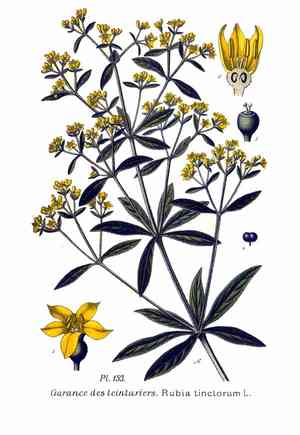
Largeflower mexican clover (Richardia grandiflora)
Also known as: Florida snow
Largeflower Mexican clover (Richardia grandiflora) is a perennial broadleaf plant known for its creeping growth habit. Commonly found in the subtropical regions of the southern United States, it is often viewed as an invasive weed in lawns. This species is part of the Rubiaceae family, which also encompasses plants like coffee, sweet woodruff, and gardenia.
In This Article
Attributes of Largeflower mexican clover
Lifespan
Perennial, Annual
Plant Type
Herb
Plant Height
10 cm
Spread
Spreads up to 60 cm or more
Leaf Color
Green
Flower Size
1.3 cm to 1.9 cm
Flower Color
Pink White Purple
Images of Largeflower mexican clover
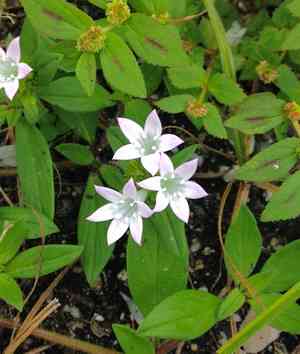
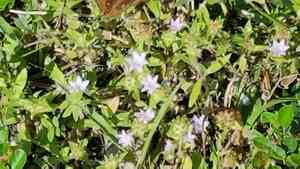
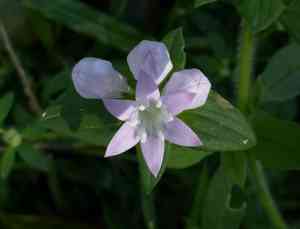
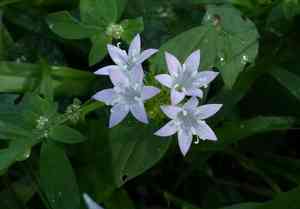
Quickly Identify Largeflower mexican clover
1
Identifying Richardia grandiflora involves looking for its low-growing habit, small opposite leaves, and clusters of small pink to purple tubular flowers. The plant often forms dense mats and has hairy stems.
Scientific Classification of Largeflower mexican clover
Phylum
Vascular plants
Class
Dicotyledons
Order
Gentianales
Family
Madder
Genus
Mexican clovers
Species
Largeflower mexican clover
Planting and Growing of Largeflower mexican clover
Care Difficulty
Easy
Watering Schedule
Every 8 days
Sunlight Requirements
Full sun
Sunshine Duration
6-10 hours
Ideal Temperature
68-77℉
Soil Type
Potting Mix, Peat Mix
Soil pH
5.5-7.5
Fertilizer Type
Balanced
Pruning Season
Spring, Summer
Pruning Area
Branches, Leaves
Pruning Frequency
2 times a year
Repotting Season
Spring
Pot Type
Plastic, Ceramic
 How to Water Largeflower mexican clover?
For Richardia grandiflora, the key to watering is ensuring the soil remains consistently moist but not waterlogged. You should apply approximately 150ml of water each time. It's important to keep the top layer of soil moist to a depth of at least 2 inches. This ensures that the plant's root system receives an adequate water supply without being oversaturated.
What are the symptoms of an underwatered Largeflower mexican clover?
›
What should I do if my Largeflower mexican clover is not getting enough water?
›
What are the symptoms of an overwatered Largeflower mexican clover?
›
How to save an overwatered Largeflower mexican clover?
›
 What Are the Sunlight Requirements for Largeflower mexican clover?
Richardia grandiflora thrives in full to partial sunlight for optimal photosynthesis and flowering. Adequate light enhances robust growth, vibrant blossoms, and overall plant stress resistance.
More About Sunlight Requirements Techniques→
Best Time of Day
›
Location Selection
›
Adapting to Seasons
›
 What Is the Ideal Temperature Range for Largeflower mexican clover?
The ideal temperature range for Richardia grandiflora is between 68°F to 77°F. This range provides the optimal conditions for photosynthesis and other physiological processes necessary for healthy growth. In this temperature range, the plant can efficiently absorb nutrients and water from the soil, ensuring robust development and vibrant blooms.
 What Soil is Best for Largeflower mexican clover?
For Richardia grandiflora, well-drained soil is essential as it prevents root rot and promotes healthy growth. This ensures the roots have access to adequate nutrients and moisture without waterlogging. Richardia grandiflora thrives in nutrient-rich soils, which provide essential nutrients needed for robust foliage and flowering. A soil enriched with organic matter increases fertility and encourages lush growth. The plant prefers soil with moderate moisture retention. This helps maintain consistent hydration, which is crucial for sustaining blooming periods and overall vitality.
More About Soil→
 How to Fertilize Largeflower mexican clover?
For Richardia grandiflora, you should apply a balanced liquid fertilizer, diluted to half strength, to ensure nutrients are adequately dispersed without overwhelming the plant. It's recommended to use around 200ml of diluted solution per application.
More About Fertilizing Techniques→
 How to Prune Largeflower mexican clover?
Use sharp, clean pruning shears to make precise cuts. Dull or dirty tools can damage stems and introduce diseases, so it's important to maintain your equipment in good condition for optimal results. Look for faded blooms and any dead or yellowing leaves to remove them first. This helps direct the plant's energy toward healthier and more productive growth. Cutting just above a leaf node encourages the development of new shoots. Make your cuts at a 45-degree angle to minimize water retention on the cut surface. This reduces the risk of rot and infection, helping the plant heal more quickly and effectively, thus enhancing its overall health.
More About Pruning Techniques→
 How to Propagate Largeflower mexican clover plant?
1
The first step in propagation is to prepare a well-draining soil mix. Use a combination of peat moss and perlite to ensure moisture retention and proper aeration.
2
For seed propagation, sow the seeds on the surface of the soil mixture and cover them lightly. Ensure the soil remains moist but not waterlogged to promote germination.
3
When propagating through cuttings, select a healthy parent plant and make a clean cut below a node. Remove the lower leaves to reduce transpiration and insert the cutting in moist soil.
 How to Repot Largeflower mexican clover plant?
1
You should consider repotting Richardia grandiflora when you notice roots emerging from the drainage holes, or if growth seems stunted despite adequate care. These are signs the plant has outgrown its current home and needs a new pot to continue thriving.
2
Select a pot that is 1-2 inches larger in diameter than the current one to allow growth. Ensure it has drainage holes to prevent root rot. The right pot can facilitate healthy root development and improve plant vitality by avoiding water stagnation.
3
Opt for a well-draining, sandy mix to mimic its natural habitat and prevent over-watering issues. This kind of soil allows air to circulate around the roots, encourages healthy growth, and reduces the risk of root rot.



