How to Propagate Fan-leaved crowfoot?
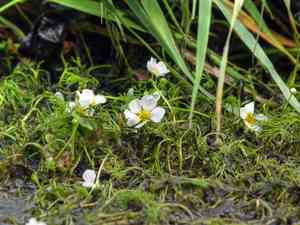
Fan-leaved crowfoot flourishes when reproduced by seeding. To achieve the best outcomes, a damp, adequately drained substrate is crucial. Cultivating it in watery or partially submerged conditions, replicating its native surroundings, fosters robust development. The seeds must be sown on the surface since fan-leaved crowfoot needs illumination to sprout. Guarantee sufficient distance between plants to avoid excessive density, which could hinder progress. For cultivators, careful handling of the fragile root systems during transplantation will boost successful rooting and endurance.
Optimal Period for Fan-leaved Crowfoot Propagation
Propagation Method
Seeding
Propagation Period
Spring
Tools Utilized in Fan-leaved Crowfoot Propagation
Seed trays
Seed trays are vital for propagating fan-leaved crowfoot via seed dispersal. These containers facilitate uniform distribution and organization of seeds, offering sufficient room for initial development. Their shallow depth is especially advantageous for fan-leaved crowfoot, supporting delicate root structures during early growth phases.
Horticultural perlite
Horticultural perlite is employed to improve soil aeration and drainage, crucial elements for successful fan-leaved crowfoot propagation from seeds. Incorporating perlite into the seed tray soil prevents waterlogging, a critical consideration given fan-leaved crowfoot's semi-aquatic nature, thereby fostering healthier root growth and preventing decay.
Fine mist spray bottle
A fine mist spray bottle is essential for gently irrigating fan-leaved crowfoot seeds without disturbing their position or harming young shoots. This tool ensures controlled and consistent moisture levels, which are vital for seed germination and the growth of fan-leaved crowfoot.
Clear plastic dome or cover
A transparent plastic dome or cover fits over seed trays to maintain high humidity and stable temperatures, both necessary for fan-leaved crowfoot germination. This device creates a miniature greenhouse effect, thus promoting quicker and more successful germination.
Plant labels and markers
Plant labels and markers are important for tracking sowing dates and fan-leaved crowfoot varieties. This assists in monitoring growth progress and maintaining organized propagation efforts, particularly when managing multiple plants or different developmental stages.
How to Propagate Fan-leaved Crowfoot?
Propagation Type
Simple
Caring for Your Newly Propagated Fan-leaved Crowfoot
Caring for Your Newly Propagated Fan-leaved Crowfoot?
Post-propagation, ensure the soil around fan-leaved crowfoot remains damp but not saturated. Regularly remove any debris or competing vegetation to prevent overcrowding. In colder regions, shield young plants from frost. Gradually acclimate them to natural conditions, allowing fan-leaved crowfoot to develop a robust root system. Periodically inspect for pests and diseases, treating them as needed to maintain vigorous growth.
Common Errors to Avoid When Propagating Fan-leaved Crowfoot
Overcrowding
Placing multiple fan-leaved crowfoot specimens too close together can hinder their development. This proximity can lead to competition for limited resources such as light, nutrients, and space, potentially stunting growth or resulting in weaker plants.
Poor water management
Both excessive or insufficient watering of fan-leaved crowfoot can be harmful. Fan-leaved crowfoot thrives in consistently moist environments, but standing water can cause root rot, while inadequate moisture may stress the plant and impede root development.
Inadequate light
Fan-leaved crowfoot requires a specific light balance; too much can cause scorching, while too little light can lead to weak, elongated stems and poor flowering. Understanding light requirements is crucial for healthy growth.
Tips For Propagating Fan-leaved Crowfoot
Correct water conditions
Maintain consistently moist soil conditions without waterlogging. Utilizing a setup like a wet tray can help manage appropriate water levels, ensuring fan-leaved crowfoot roots remain adequately hydrated yet not submerged.
Proper spacing
Ensure each fan-leaved crowfoot has ample room to spread. Adequate spacing reduces competition for nutrients and light, essential factors for healthy propagation.
Light management
Provide indirect light or partial shade. This effectively mimics fan-leaved crowfoot's natural habitats, promoting robust growth without the risk of leaf burn or excessive etiolation from too much direct sunlight.



