The Fan-leaved crowfoot Plant Advantage: Maximizing Home and Office Appeal and Wellness
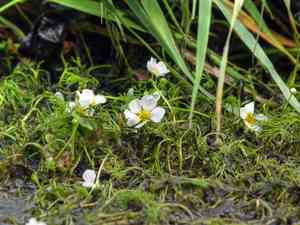
1
Recognized for its impressive capacity to oxygenate, it greatly improves water conditions.
2
Its thick foliage offers crucial shelter for creatures living in water.
3
Tolerant of diverse environments, making it a flexible choice for water gardens and fish tanks.
Why is Fan-leaved crowfoot Beneficial for Water Quality?
Oxygenation Abilities
A prominent characteristic of Fan-leaved crowfoot is its superior capacity to oxygenate. As it develops, it releases substantial quantities of oxygen into the water, fostering a healthier habitat for aquatic organisms. This oxygenation aids in diminishing the accumulation of detrimental anaerobic bacteria and promotes the proliferation of aerobic life forms, which are essential for sustaining a balanced aquatic ecosystem.
Filtration and Clarity
Fan-leaved crowfoot functions as a natural water purifier. Its extensive root structure captures sediments and impurities, thereby enhancing water clarity. This purification process not only renders the water visibly clearer but also decreases the nutrient load that can instigate problematic algal blooms. Consequently, ponds and aquariums containing Fan-leaved crowfoot uphold a superior level of water quality and visual appeal.
How Does Fan-leaved crowfoot Support Aquatic Wildlife?
Habitat Provision
The dense foliage of Fan-leaved crowfoot provides vital refuge for various types of aquatic wildlife. Small fish, invertebrates, and other creatures find sanctuary within its leaves and stems, offering a secure haven from predators. This provision of habitat is especially crucial during spawning periods, as it furnishes a safe setting for eggs and young organisms to mature.
Food Source
Fan-leaved crowfoot also serves as a sustenance provider for certain aquatic species. Specific fish and invertebrates consume its tender leaves and stems, making it a key element in the nutritional chain. The presence of Fan-leaved crowfoot supports a diverse and flourishing aquatic population by ensuring the food web remains intact and balanced.
What Makes Fan-leaved crowfoot Versatile in Aquatic Settings?
Adaptability to Conditions
Fan-leaved crowfoot exhibits remarkable flexibility across diverse aquatic conditions. Whether in slow-moving streams, ponds, or even aquariums, it flourishes with minimal upkeep. This versatility makes it an appealing choice for both natural and artificial water bodies, enhancing their ecological and aesthetic value.
Propagation and Maintenance
Fan-leaved crowfoot is relatively simple to propagate and care for. It spreads rapidly and establishes itself firmly in various substrates. Routine trimming and observation are generally all that's required to keep it thriving and prevent excessive growth. Its ease of care makes it a favorite among enthusiasts and professional aquarists.
What Role Does Fan-leaved crowfoot Play in Ecological Balance?
Nutrient Cycling
Fan-leaved crowfoot performs a critical function in nutrient cycling within aquatic ecosystems. By absorbing surplus nutrients like nitrates and phosphates, it helps avert nutrient overloads that can lead to degraded water quality and algal outbreaks. This role is essential for maintaining a balanced and healthy aquatic environment.
Algae Control
The growth of Fan-leaved crowfoot naturally competes with algae for nutrients and light. By restricting the resources available for algal proliferation, Fan-leaved crowfoot aids in keeping algae populations in check. This competition ensures a clearer water body and lessens the need for chemical algae control methods, promoting a more sustainable approach to pond and aquarium management.



