How to Propagate Nevada dalea?
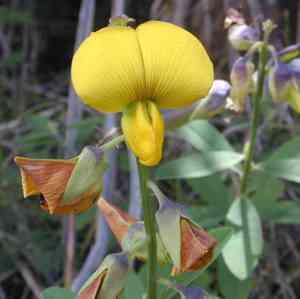
Dalea nevadensis, a resilient shrub, is recognized for its vibrant violet blossoms. For propagation, utilize semi-hardwood stem sections, making sure each piece includes a minimum of two nodes. Place them in a potting blend that drains efficiently and sustain a moderate level of dampness. Employing rooting stimulant can boost the chances of success. Store the cuttings in a protected spot until they are firmly rooted. This technique, verified by botanical references, is both efficient and appropriate for cultivators.
Optimal Period for Propagating Nevada Dalea?
Propagation Method
Cutting
Propagation Period
Spring,Summer
Tools Required for Nevada Dalea Propagation?
Pruning Shears
Pruning shears are vital for obtaining healthy cuttings from nevada dalea without harming the parent plant. They ensure precise cuts, which helps minimize stress and injury, fostering better rooting success.
Rooting Hormone
Rooting hormone is advantageous for nevada dalea as it promotes the formation of roots from cuttings. It frequently contains auxins that stimulate root development and enhance the likelihood of successful propagation.
Propagation Tray
A propagation tray offers a controlled environment for nevada dalea cuttings to root. It aids in maintaining consistent moisture levels and allows for easy monitoring of cutting health.
Sterile Potting Medium
Employing a sterile potting medium is essential to avert disease and fungal problems. A blend of coarse sand and perlite or other well-draining substrates is perfect for nevada dalea, providing the necessary conditions for root growth.
Misting Bottle
A misting bottle is crucial for preserving humidity around nevada dalea cuttings. Keeping the cuttings moist without waterlogging helps prevent dehydration and encourages root formation.
Heating Mat
A heating mat can supply bottom heat, which is beneficial for nevada dalea cuttings. It helps maintain a steady temperature, promoting root development and the overall vigor of the cuttings.
Humidity Dome
A humidity dome covers the propagation tray to create a microenvironment with elevated humidity, vital for nevada dalea cuttings to prevent desiccation and encourage root growth.
Labeling Tags
Labeling tags ensure that each tray or group of nevada dalea cuttings is correctly identified. This assists in tracking progress and maintaining records of propagation attempts, aiding future reference and study.
How to Propagate Nevada Dalea?
Propagation Difficulty
Moderately Difficult
Post-Propagation Care for Nevada Dalea?
Post-Propagation Care for Nevada Dalea?
Once rooting is successful, transplant nevada dalea into a larger container or directly into the garden. Ensure the plant has well-draining soil and is situated in full sun. Water sparingly, allowing the soil to dry out between waterings, as nevada dalea is drought-tolerant. Regularly check for pests and diseases, and prune as needed to encourage healthy growth.
Common Errors to Avoid When Propagating Nevada Dalea
Overwatering
Excessive moisture can lead to root rot and fungal infections, jeopardizing the plant's health and impeding successful propagation.
Incorrect Soil Mix
Using a soil mixture that retains too much moisture or lacks adequate drainage can result in poor root development and increased susceptibility to diseases.
Lack of Sunlight
Insufficient sunlight can cause weak growth and reduced vitality, making it challenging for cuttings to establish.
Improper Cutting Techniques
Using dull tools or making imprecise cuts can damage plant tissue, decreasing the likelihood of successful rooting.
Advice for Propagating Nevada Dalea
Utilize Well-Draining Soil
Ensure the soil mixture is sandy or gritty to facilitate proper drainage and prevent root rot.
Moderate Watering
Water the cuttings sparingly, only when the top layer of soil is dry, to maintain a balance that prevents both drought stress and overwatering.
Ensure Sufficient Sunlight
Place the cuttings in a location where they can receive ample sunlight, preferably indirect, to support robust growth.
Use Sterile Tools
Employ clean and sharp tools when taking cuttings to minimize the risk of infection and promote healthy tissue development.



