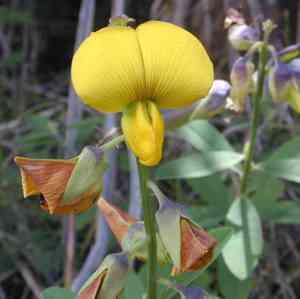
Nevada dalea (Psorothamnus polydenius)
Also known as: Dotted dalea
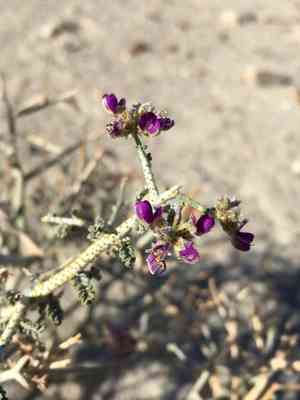
The Nevada dalea, a hardy shrub native to desert environments, thrives in sandy soils. Recognizable by its small blue-green leaves and clusters of purple flowers, this plant is well-adapted to harsh conditions. It features a deep taproot system that reaches deep water reserves, enabling it to survive in arid settings. Additionally, its flowers are crucial for local pollinators, offering an essential nectar source.
In This Article
Attributes of Nevada dalea
Lifespan
Perennial
Plant Type
Shrub
Plant Height
0.5 to 1.5 meters
Spread
1 to 2 meters
Leaf Color
Green
Flower Size
Around 1 cm
Flower Color
Purple
Images of Nevada dalea
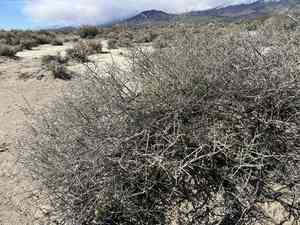
Quickly Identify Nevada dalea
1
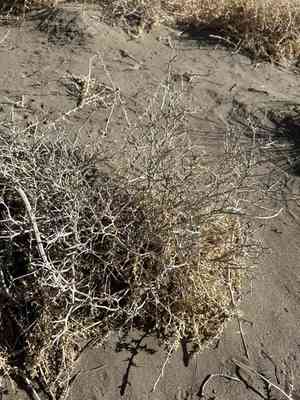
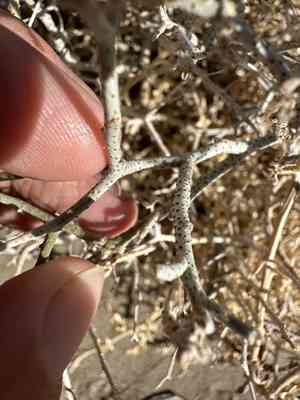
Psorothamnus polydenius can be identified by its dense, rounded shrub form, compound leaves, and bright purple flowers. The plants are typically covered in sticky glandular hairs, which are distinctive.
Scientific Classification of Nevada dalea
Phylum
Vascular plants
Class
Dicotyledons
Order
Fabales
Family
Legume
Genus
Indigo bush
Species
Nevada dalea
Planting and Growing of Nevada dalea
Care Difficulty
Moderate
Watering Schedule
Every day
Sunlight Requirements
Full sun
Sunshine Duration
4-8 hours
Ideal Temperature
65-85℉
Soil Type
Potting Mix, Peat Mix
Soil pH
6.5-7.5
Fertilizer Type
Balanced
Pruning Season
Spring, Summer
Pruning Area
Branches, Leaves
Pruning Frequency
2 times a year
Repotting Season
Spring
Pot Type
Plastic, Ceramic
 How to Water Nevada dalea?
Psorothamnus polydenius thrives in arid conditions, demanding minimal water. While watering, give it around 250 ml, keeping the soil slightly moist but not waterlogged, mimicking its natural habitat.
What are the symptoms of an underwatered Nevada dalea?
›
What should I do if my Nevada dalea is not getting enough water?
›
What are the symptoms of an overwatered Nevada dalea?
›
How to save an overwatered Nevada dalea?
›
 What Are the Sunlight Requirements for Nevada dalea?
Psorothamnus polydenius ideally requires full sun, equivalent to 8-10 hours of sunlight per day. Achieving this light range promotes vigorous growth, vibrant blooms, and resilience against common plant stressors.
What are the ideal lighting conditions for Psorothamnus polydenius?
›
How can I provide the necessary light for Psorothamnus polydenius indoors?
›
What benefits does ideal lighting bring to Psorothamnus polydenius?
›
 What Is the Ideal Temperature Range for Nevada dalea?
Psorothamnus polydenius thrives best between 65°F and 85°F. This range allows for optimal photosynthesis and metabolic activities, ensuring healthy growth and vibrant blooms. Adequate warmth ensures that the physiological processes within the plant are functioning at peak efficiency.
 What Soil is Best for Nevada dalea?
Psorothamnus polydenius thrives in well-draining soil, preventing root rot and ensuring proper nutrient uptake. This requirement benefits the plant by allowing roots to access oxygen, promoting healthier growth and resilience against pests. A nutrient-rich soil ensures Psorothamnus polydenius receives essential minerals and vitamins for optimal growth. This requirement benefits the plant by fostering robust flowering and enhancing its natural defenses against harsh environmental conditions. While Psorothamnus polydenius prefers drier conditions, some moisture retention is critical for sustaining life during dry periods. This condition ensures the plant remains hydrated just enough to continue photosynthesis efficiently.
 How to Fertilize Nevada dalea?
For Psorothamnus polydenius, it is vital to consider its native desert habitat when determining fertilizer amounts. A balanced 10-10-10 liquid fertilizer should be used in moderation. Apply approximately one tablespoon of liquid fertilizer diluted in one gallon of water per plant to avoid over-fertilization.
 How to Prune Nevada dalea?
To prune Psorothamnus polydenius, first equip yourself with a pair of sharp, clean pruning shears. Begin by examining the plant’s overall structure. Trim back any elongated or erratic growth to maintain a desirable shape and encourage fuller branching. Focus on cutting just above a node to stimulate new growth in the right direction. Remove any dead or damaged branches by cutting them back to healthy wood, and make sure to thin out congested areas to improve air circulation and access to sunlight.
More About Pruning Techniques→
 How to Propagate Nevada dalea plant?
1
Gather seeds directly from mature Psorothamnus polydenius plants in late summer when seed pods have fully dried on the plant. Ensure seeds are stored in a cool, dry place until planting.
2
Select healthy branches and use pruning shears to cut 4-6 inch segments. Make sure each cutting has at least two nodes and remove leaves from the lower node.
3
For seeds, plant them in seed trays filled with well-draining soil. For cuttings, place them directly into a medium like perlite, ensuring nodes are buried and moist.
 How to Repot Nevada dalea plant?
1
Look for signs like roots growing out of the drainage holes, slowed growth, or soil that dries out very quickly. These indicate your Psorothamnus polydenius might need a roomier home.
2
Opt for a pot that is 1-2 inches larger in diameter than the current one. Ensure it has multiple drainage holes to prevent waterlogging, reducing the risk of root rot and promoting healthy root growth.
3
Choose a well-draining, gritty soil mix with sand and perlite to mimic its natural habitat. This prevents water retention, allowing for aeration and reducing the chance of root rot.



