How to Propagate Mojave indigo-bush?
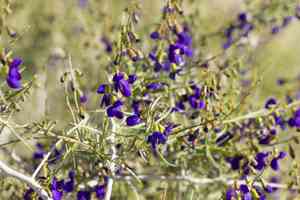
Mojave indigo-bush, a resilient shrub native to arid environments, is recognized for its striking violet blossoms. It flourishes in porous substrates under direct sunlight and requires infrequent irrigation. To propagate, sever robust stems during their active development, strip foliage from the bottom section, apply rooting stimulant, and embed in a free-draining medium. Keep the soil damp but avoid saturation. This method guarantees vigorous development and flowering.
Optimal Period for Mojave Indigo-bush Propagation
Propagation Method
Cutting
Propagation Season
Spring,Summer
Tools Required for Mojave Indigo-bush Propagation
Pruning Shears
Used for taking cuttings from mojave indigo-bush. Clean, sharp shears are crucial for precise cuts, minimizing harm to the parent plant, encouraging healthy regrowth, and reducing disease risk.
Rooting Hormone
Applied to the cut ends of mojave indigo-bush cuttings to stimulate root development. This hormone can significantly boost the success rate of cuttings forming roots by promoting growth.
Propagation Trays
Used to hold and nurture mojave indigo-bush cuttings until roots form. These trays help organize multiple cuttings and provide a controlled environment for better moisture retention and root growth.
Growing Medium
A well-draining growing medium, such as a sand and peat mixture, is recommended for rooting mojave indigo-bush cuttings. This provides the right balance of moisture and aeration needed for root development.
Misting System
Keeps mojave indigo-bush cuttings moist during the rooting process. Adequate humidity is vital to prevent cuttings from drying out and ensures leaves stay hydrated until roots develop.
Heat Mat
Maintains a consistent soil temperature for mojave indigo-bush cuttings, which can speed up root formation. A heat mat provides gentle warmth that encourages quicker, stronger rooting, especially in cooler climates.
Labeling Stakes
Used to label and track mojave indigo-bush cuttings. This aids in identifying different batches or varieties and monitoring their progress throughout the propagation process.
How to Propagate Mojave Indigo-bush?
Propagation Type
Moderately Difficult
Caring for Your Newly Propagated Mojave Indigo-bush
Caring for Your Newly Propagated Mojave Indigo-bush
Once mojave indigo-bush has established roots and shows new growth, gradually acclimate it to direct sunlight. Maintain well-draining soil and water sparingly, allowing the top layer to dry between waterings. Fertilize minimally, as mojave indigo-bush thrives in nutrient-poor soils typical of its natural habitat. Monitor for pests or diseases, though mojave indigo-bush is generally resilient. Regular pruning helps maintain shape and promotes bushier growth.
Common Propagation Errors to Avoid with Mojave Indigo-bush
Overwatering
Excessive watering can cause root rot, as mojave indigo-bush prefers well-draining soil. This error can severely impede the plant's growth and survival.
Improper Soil Selection
Using nutrient-rich, heavy soils can retain too much moisture and suffocate roots. Mojave indigo-bush thrives in gritty, well-draining substrate typical of arid environments.
Inadequate Sunlight
Placing mojave indigo-bush in a shaded area without sufficient sunlight can lead to weak, leggy growth. This plant requires full sun to flourish.
Incorrect Seed Sowing Depth
Planting seeds too deeply can prevent germination, as mojave indigo-bush's seeds need to be sown close to the soil surface for successful sprouting.
Neglecting Stratification
Failing to cold-stratify seeds can result in poor germination rates, as mojave indigo-bush's seeds often require a cold period to break dormancy.
Tips for Propagating Mojave Indigo-bush
Water Moderately
Ensure the soil is moist but not waterlogged. Allow the top layer of soil to dry between watering sessions to mimic natural desert conditions.
Use Well-Draining Soil
Opt for a cactus or succulent mix, or create a blend of sandy and gritty soil to enhance drainage and prevent root issues.
Provide Full Sunlight
Mojave indigo-bush should be positioned in a location where it receives at least 6-8 hours of direct sunlight daily to promote healthy growth.
Sow Seeds Shallowly
Place seeds just below the soil surface, covering them lightly with a thin layer of sand or fine grit.
Stratify Seeds
Expose seeds to a cold treatment for several weeks before sowing, simulating natural winter conditions to improve germination success.



