How to Propagate Slenderleaf clammyweed?
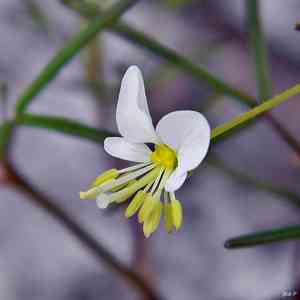
Slenderleaf clammyweed flourishes in porous, sandy substrates, commonly encountered in exposed, sunlit environments. For propagation via seeding, utilize recently harvested seeds directly into prepared planting areas, ensuring a shallow covering of earth. Preserve steady hydration without saturation to foster robust sprouting and development. As the plant matures, thin out young plants to avert excessive density. Consistent inspection for infestations and ailments will aid in sustaining prime growth circumstances.
Optimal Period for Slenderleaf Clammyweed Propagation
Propagation Method
Seeding
Propagation Period
Spring
Tools Required for Slenderleaf Clammyweed Propagation
Seed Trays
Seed trays offer a controlled setting for the initial development phase of slenderleaf clammyweed. They ensure uniform seed distribution and assist in managing soil moisture levels.
Heat Mat
A heat mat helps maintain a consistent and ideal soil temperature, which is vital for the germination of slenderleaf clammyweed's seeds.
Humidity Dome
Humidity domes placed over seed trays can help maintain high humidity levels, creating a greenhouse effect that is beneficial for slenderleaf clammyweed's early growth stages.
Seed Starting Mix
A quality seed starting mix provides the correct balance of nutrients and drainage, giving slenderleaf clammyweed seeds a strong start by promoting germination and preventing damping-off.
Watering Can with Fine Rose
A watering can with a fine rose attachment allows for gentle watering, avoiding disturbance of slenderleaf clammyweed seeds and seedlings, which are delicate in the initial stages.
Labeling Stakes
Labeling stakes ensure that slenderleaf clammyweed is properly identified in the seed tray, preventing mix-ups and ensuring consistent care routines are maintained.
Grow Lights
Grow lights may be needed if natural light is insufficient, providing the necessary light spectrum to support slenderleaf clammyweed's germination and early growth.
Tweezers
Tweezers are useful for handling individual seeds or seedlings, aiding in precise placement and reducing the risk of damage to slenderleaf clammyweed.
Soil Thermometer
A soil thermometer helps monitor the temperature of the growing medium, ensuring it remains within the ideal range for slenderleaf clammyweed seed germination.
How to Propagate Slenderleaf Clammyweed?
Propagation Type
Simple
How to Care for Your Newly Propagated Slenderleaf Clammyweed?
How to Care for Your Newly Propagated Slenderleaf Clammyweed?
Following transplantation, ensure slenderleaf clammyweed is situated in a location with ample sunlight and soil that drains well. Water the plants regularly to keep the soil moist but not waterlogged. Provide sufficient space between plants to allow for air circulation, reducing the risk of fungal diseases. Mulch around the base to retain moisture and suppress weeds. Monitor for pests and diseases, responding promptly if any issues arise. Fertilize lightly with a balanced, slow-release fertilizer to support growth and flowering.
Common Mistakes to Avoid When Propagating Slenderleaf Clammyweed
Overwatering
This can lead to root rot, as slenderleaf clammyweed prefers moderately dry soil conditions.
Improper Soil Type
Using soil that retains too much moisture can hinder seedling emergence and root development.
Insufficient Light
Slenderleaf clammyweed requires full sunlight, and a lack of adequate light can lead to leggy growth and poor plant health.
Crowding Seeds
Planting seeds too closely together can result in overcrowding, stunted growth, and increased susceptibility to diseases.
Tips For Propagating Slenderleaf Clammyweed
Well-Drained Soil
Ensure the soil is well-drained to prevent waterlogging and promote healthy root growth.
Moderate Watering
Water the seedlings sparingly, allowing the soil to dry out between watering sessions to mimic natural conditions.
Full Sun Exposure
Place the seedlings in a location where they can receive at least 6-8 hours of direct sunlight daily.
Spacing
Space the seeds adequately to allow each plant room to grow and access to sufficient nutrients and light.



