How to Propagate Pink Mountain Heather?
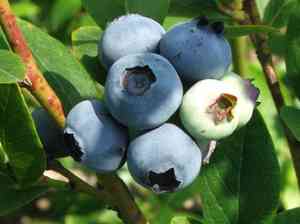
Pink Mountain Heather, an appealing evergreen bush from the Ericaceae family, flourishes in mountainous areas, displaying its vivid flowers. Reproduction is generally effective via cuttings, necessitating robust, non-blooming stems severed during active growth phases. These stem sections should be immersed in rooting compound and situated in adequately drained substrate within a high-humidity environment. A blend of peat and perlite can aid in root formation. Regular oversight of hydration levels guarantees the cuttings develop a strong root structure prior to relocation.
Optimal Time for Pink Mountain Heather Propagation
Propagation Method
Cutting
Propagation Period
Spring,Summer
Tools for Pink Mountain Heather Propagation
Sharp pruning shears or secateurs
These tools are essential for making precise cuts when harvesting cuttings for pink Mountain Heather propagation. Their sharpness ensures clean incisions, preventing tissue damage and minimizing the risk of infection, which is vital for successful rooting.
Rooting hormone powder or gel
This product helps stimulate root development in pink Mountain Heather cuttings. Applying rooting hormone to the cutting's base promotes root initiation and growth, crucial for the cutting's establishment and vitality.
Sterilized potting mix
Provides a clean, controlled, and supportive medium for new cuttings. Typically a blend of peat, perlite, and vermiculite, it offers excellent aeration and moisture retention, benefiting root growth without over-saturation, which is critical for delicate species like pink Mountain Heather.
Misting bottle
Useful for maintaining adequate humidity around pink Mountain Heather cuttings. High humidity is crucial to prevent desiccation before the cuttings can develop their own root systems. A fine mist ensures foliage moisture without saturating the soil, which could lead to root rot.
Heating mats
Beneficial for providing gentle warmth from below, which can enhance the rooting success rate for pink Mountain Heather cuttings by maintaining an ideal soil temperature, thus encouraging faster root development.
How to Propagate Pink Mountain Heather?
Propagation Difficulty
Moderately Difficult
Caring for Your Newly Propagated Pink Mountain Heather
Caring for Your Newly Propagated Pink Mountain Heather
Once pink Mountain Heather has rooted, gradually introduce the new plants to drier conditions over a week by uncovering them daily. Replant them into larger containers using a similar well-draining soil mix and place them in partial shade. Water consistently to keep the soil moist and apply a diluted, balanced fertilizer monthly during the growing season. Protect from strong winds and extreme temperatures to ensure robust growth.
Common Errors to Avoid When Propagating Pink Mountain Heather
Overwatering
Excessive watering of pink Mountain Heather can lead to root rot and fungal issues, as it prefers well-drained soils. Too much moisture hinders root oxygenation, which is vital for its survival and growth.
Using non-acidic soil
Pink Mountain Heather thrives in acidic soils. Using neutral or alkaline soils can prevent the plant from absorbing essential nutrients, resulting in poor growth and potential nutrient deficiencies.
Improper root handling
During pink Mountain Heather propagation, rough handling or damage to roots can severely impair the plant's ability to establish and flourish in a new environment. Root trauma can lead to stunted growth or even plant death.
Tips For Propagating Pink Mountain Heather
Use acidic, well-draining soil
Ensure the soil is acidic (pH below 6) and drains well to support the health and growth of pink Mountain Heather. This mimics their natural habitat and aids in nutrient absorption.
Moderate watering post-transplant
After propagating pink Mountain Heather, provide moderate watering to help establish roots while preventing waterlogging, which is harmful to root health.
Gentle root handling
Handle pink Mountain Heather roots carefully during propagation to prevent damage. Keeping the roots intact and healthy is crucial for successful plant establishment and growth.



