How to Propagate Lyon's pygmydaisy?
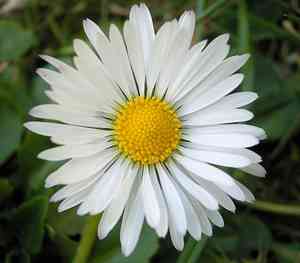
Lyon's pygmydaisy, a scarce, herbaceous annual, is recognized for its fragile yellow blossoms indigenous to the coastal regions of Southern California. Direct seeding into adequately drained earth is the preferred method for cultivating lyon's pygmydaisy. To improve sprouting, guarantee the seeds receive sufficient sunlight and sustain uniform dampness. This flora flourishes in settings with sandy or stony foundations and necessitates infrequent irrigation once mature. Safeguarding nascent sprouts from insects and severe wind conditions is essential.
When Is the Best Time to Propagate Lyon's Pygmydaisy?
Propagation Type
Sowing
Propagation Season
Spring
What Tools Are Used for Lyon's Pygmydaisy Propagation?
Seed Trays
Provide an optimal setting for lyon's pygmydaisy's seed sprouting. They ensure proper drainage and allow for easy observation of seedling development.
Fine Seed Compost
Crucial for offering a stable growth medium, supplying a blend of nutrients and adequate aeration vital for lyon's pygmydaisy's initial growth phases.
Seed Dibber
Useful for creating precise, small depressions in the soil for planting lyon's pygmydaisy seeds. This tool aids in sowing seeds at the correct depth, encouraging better germination rates.
Humidity Dome
Placed over seed trays to maintain a high moisture environment, which benefits lyon's pygmydaisy's germination. It helps create a stable microclimate that reduces water loss and speeds up sprouting.
Misting Bottle
Delivers gentle and even hydration to lyon's pygmydaisy's seeds and young plants. Misting prevents the disruption of seeds and soil that can occur with heavier watering methods.
Label Stakes
Important for tracking planting dates and the identity of lyon's pygmydaisy within various trays or sections. This assists in managing and monitoring growth progress effectively.
Grow Lights
Provide supplementary light to ensure lyon's pygmydaisy receives sufficient photosynthesis opportunities, especially in low natural light conditions. This promotes healthier and stronger seedlings.
How to Propagate Lyon's Pygmydaisy?
Propagation Type
Easy
How to Care for Your Newly Propagated Lyon's Pygmydaisy?
How to Care for Your Newly Propagated Lyon's Pygmydaisy?
Once seedlings have developed their initial true leaves, they can be moved to individual containers or directly into the garden. Ensure they receive moderate sunlight and water them regularly, avoiding saturation. Check for pests and diseases, and maintain a natural, slightly dry environment to encourage robust growth. Apply mulch around the base to help retain soil moisture and suppress weeds.
Common Mistakes to Avoid When Propagating Lyon's Pygmydaisy
Overwatering
Excessive moisture can lead to root decay and fungal infections, hindering the plant's ability to establish and flourish.
Poor Soil Drainage
Using soil that doesn't drain well can cause water to accumulate around the roots, leading to similar problems as overwatering.
Insufficient Light
Failure to provide adequate sunlight can result in weak, elongated growth and poor blooming, impacting the plant's overall health and vitality.
Ignoring Soil pH
Not monitoring and adjusting soil pH can affect nutrient absorption, leading to deficiencies that impede growth.
Improper Seed Handling
Not handling seeds carefully or planting them too deep can lower germination rates, resulting in sparse or unsuccessful propagation.
Tips For Propagating Lyon's Pygmydaisy
Optimal Watering
Ensure the soil is damp but not waterlogged. Irrigate when the top inch of soil feels dry to the touch.
Well-Draining Soil
Utilize a sandy or gravelly soil mix that promotes good drainage to prevent root rot and other moisture-related issues.
Adequate Sunlight
Position the plant in a spot where it receives full to partial sunlight to ensure healthy growth and blooming.
Monitor Soil pH
Maintain a slightly acidic to neutral soil pH to facilitate optimal nutrient uptake.
Careful Seed Planting
Handle seeds gently and plant them at the recommended depth to enhance germination rates and establishment success.



