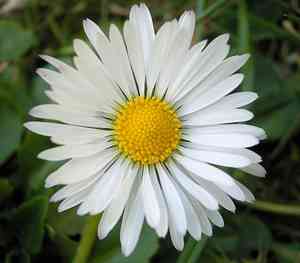
Lyon's pygmydaisy (Pentachaeta lyonii)
Also known as: Lyon's Pentachaeta
Lyon's pygmydaisy (Pentachaeta lyonii) is a rare and delicate perennial known for its bright yellow, daisy-like flowers and fine, needle-like leaves. Native to Southern California, it flourishes in serpentine and rocky soils, which are typically nutrient-poor and harsh. The plant's slender stems and sparse foliage are adaptations that help it conserve resources in its challenging environment. Found primarily in coastal sage scrub and chaparral habitats, Lyon's pygmydaisy is an endangered species due to habitat loss and environmental pressures.
In This Article
Attributes of Lyon's pygmydaisy
Lifespan
Annual
Plant Type
Herb
Plant Height
6 to 12 inches (15 to 30 cm)
Spread
Varies, usually around 6-12 inches (15-30 cm)
Leaf Color
Green
Flower Size
0.5 to 1 inch (1 to 2.5 cm)
Flower Color
Yellow
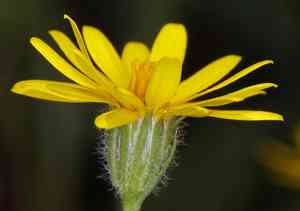
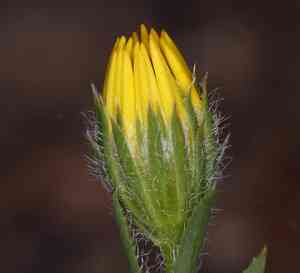
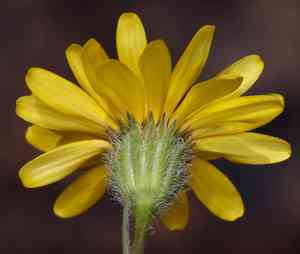
Images of Lyon's pygmydaisy
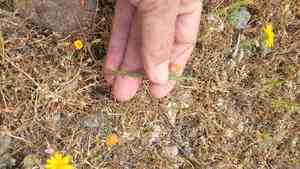
Quickly Identify Lyon's pygmydaisy
1
Identifying Pentachaeta lyonii involves looking for its small yellow daisy-like flowers and finely divided leaves. It typically grows in coastal sage scrub and chaparral habitats.
Scientific Classification of Lyon's pygmydaisy
Phylum
Vascular plants
Class
Dicotyledons
Order
Asterales
Family
Daisy
Genus
Pygmydaisy
Species
Lyon's pygmydaisy
Planting and Growing of Lyon's pygmydaisy
Care Difficulty
Moderate
Watering Schedule
Every 2 days
Sunlight Requirements
Full sun
Sunshine Duration
6-10 hours
Ideal Temperature
60-75℉
Soil Type
Potting Mix, Peat Mix
Soil pH
6.5-7.5
Fertilizer Type
Balanced
Pruning Season
Spring, Summer
Pruning Area
Branches, Leaves
Pruning Frequency
Once a year
Repotting Season
Spring
Pot Type
Plastic, Ceramic
 How to Water Lyon's pygmydaisy?
For Pentachaeta lyonii, it's crucial to water using the principle of 'soak and dry.' This means you should water deeply until the soil is thoroughly moist, but ensure excess water drains out to prevent waterlogging. A typical amount would be around 150 milliliters per session, adjusting slightly depending on the plant's size and environment conditions.
What are the symptoms of an underwatered Lyon's pygmydaisy?
›
What should I do if my Lyon's pygmydaisy is not getting enough water?
›
What are the symptoms of an overwatered Lyon's pygmydaisy?
›
How to save an overwatered Lyon's pygmydaisy?
›
 What Are the Sunlight Requirements for Lyon's pygmydaisy?
Pentachaeta lyonii thrives in full sun, receiving 6-8 hours of direct sunlight each day. Ideal light promotes strong branching, abundant flowering, and vivid coloration—a hallmark of healthy and vibrant growth.
What is the optimal lighting condition for Pentachaeta lyonii?
›
How can I achieve the ideal lighting for this plant?
›
What benefits does ideal lighting bring to this plant?
›
 What Is the Ideal Temperature Range for Lyon's pygmydaisy?
For Pentachaeta lyonii, maintaining an environment with temperatures between 60°F and 75°F is crucial for optimal growth. This range ensures that the plant's metabolic processes can function efficiently, leading to healthy development. Temperatures within this ideal spectrum also help in preserving moisture within the plant tissues, reducing stress and promoting vibrant blooms.
 What Soil is Best for Lyon's pygmydaisy?
Pentachaeta lyonii thrives in well-drained soil, which prevents waterlogging and root rot. Ensuring the soil drainage is optimal is crucial for the robust growth of this plant, allowing its roots to access oxygen and nutrients efficiently. This plant benefits from nutrient-rich soil, which supports its vibrant growth and flowering. Using compost or organic matter can enhance the soil quality, providing essential nutrients that promote the plant's health and resilience. Pentachaeta lyonii requires moderately moist conditions without excessive dryness. Maintaining the right soil moisture balance helps the plant sustain its metabolic functions, ensuring steady growth and flowering.
 How to Fertilize Lyon's pygmydaisy?
Pentachaeta lyonii should be fertilized with light to moderate amounts. Over-fertilization can lead to excessive leaf growth and may weaken the plant. For liquid fertilizer, use a diluted solution at a ratio of 1:4 (one part fertilizer to four parts water) to ensure nutrients are supplied without overwhelming the plant.
 How to Prune Lyon's pygmydaisy?
Begin by identifying and removing any spent or wilted blooms. This process, known as deadheading, helps direct the plant's energy towards new growth and flowering. Look for any leggy or overly elongated stems and trim them back to a leaf node. This encourages bushier growth and a more aesthetic appearance. Gradually shape the plant by trimming outer branches, ensuring an even, symmetrical appearance. This helps maintain an orderly growth pattern. Regularly monitor the plant’s growth following pruning to ensure it is recovering well and not displaying signs of stress or disease.
More About Pruning Techniques→
 How to Propagate Lyon's pygmydaisy plant?
1
Obtain fresh Pentachaeta lyonii seeds from a reliable source. Soak them in water overnight to improve germination rates. This step helps to soften the seed coat, allowing for easier sprouting.
2
Fill seed trays with sterile potting mix. Sow the seeds on the surface, pressing them gently into the soil. Ensure that the seeds are evenly spaced to allow for optimal growth without overcrowding.
3
Place the trays in a warm location with bright, indirect light. Maintain a consistent temperature around 65-75°F (18-24°C) and keep the soil consistently moist but not waterlogged. This ensures healthy seedling development.
 How to Repot Lyon's pygmydaisy plant?
1
Pentachaeta lyonii requires repotting when you notice slowed growth or roots emerging through the drainage holes. These are clear signals that the plant needs more space to thrive. In such cases, repotting should be scheduled to avoid stress on the plant and boost its health.
2
Choose a pot that’s slightly larger than the current one and has ample drainage holes to prevent water stagnation. The increased space allows root expansion and efficient water drainage, ensuring your Pentachaeta lyonii remains healthy and well-supported.
3
Opt for a well-draining sandy mix to mimic the plant's natural conditions. This type of soil prevents waterlogging, encouraging healthy root growth and providing a firm foundation for your plant's structural integrity.
Learn More About Lyon's pygmydaisy Diseases
Anthracnose
Bacterial Leaf Spot
Bacterial Wilt
Crown Gall
Cyst Nematode
Damping-off
Downy Mildew
Drought Stress
Fusarium Wilt
Gray Mold
Leaf Curl
Leaf Spot
Mosaic
Nutrient Deficiency
Nutrient Toxicity
Powdery Mildew
Root Rot
Root-knot Nematode
Rusts
Sooty Mold
Spider Mites
Temperature Stress
Thrips Damage
White Mold



