How to Propagate Parry's lousewort?
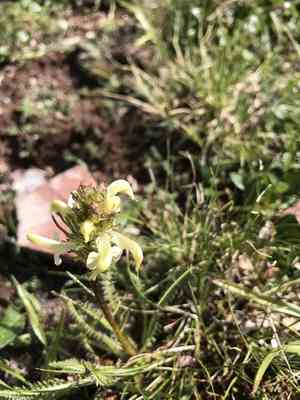
Parry's lousewort, predominantly located in high-altitude and near-alpine environments, necessitates adequately draining, humid earth. Employing stratified seeds is crucial for enhanced sprouting success. Direct seeding into the intended cultivation area is advisable to prevent upsetting the root system. Maintaining consistently moist, but not saturated, soil conditions will aid in the robust growth of young plants. Being a hemiparasitic species, parry's lousewort thrives when situated near suitable companion plants that can supply supplementary nourishment, thereby fostering its maturation and expansion.
What Is the Best Time To Propagate Parry's Lousewort?
Propagation Type
Seeding
Propagation Season
Spring
What Tools Are Used in Parry's Lousewort Propagation?
Seed Trays
Seed trays offer a regulated setting for planting parry's lousewort. They aid in arranging and overseeing young plants until they are ready for relocation. Key benefits include effective drainage and ease of handling.
Seed Starting Mix
A premium seed starting blend is crucial for parry's lousewort to guarantee proper sprouting. This mixture is typically lighter and drains freely, preventing seed decay and fostering robust root growth.
Humidity Dome
Humidity domes preserve moisture and establish a warm atmosphere, essential for the sprouting of parry's lousewort. They help sustain consistent humidity and temperature around the seeds.
Spray Bottle
A spray bottle enables gentle irrigation of seeds and young plants, preventing disruption of the soil mixture and the delicate roots of parry's lousewort. It helps keep the soil consistently damp without over-saturating.
Labeling Stakes
Labeling stakes are vital for tracking the planting date and plant variety. Accurate labeling ensures that parry's lousewort can be correctly identified and observed throughout its propagation phases.
Heat Mat
A heat mat positioned beneath the seed trays ensures a warm soil temperature, which is crucial for the successful sprouting of parry's lousewort. They provide consistent warmth from below, accelerating germination and enhancing seedling development.
Fine Mesh Sieve
A fine mesh sieve is useful for lightly dusting seeds with a thin layer of soil mix. For parry's lousewort, delicate soil coverage is important to ensure good seed-to-soil contact without burying the seeds too deeply.
Transplanting Tool
A small, precise transplanting tool assists in the careful transfer of parry's lousewort seedlings from the seed tray to individual containers or their permanent growing spot, minimizing root damage.
How to Propagate Parry's Lousewort?
Propagation Type
Simple
How to Care for Your Newly Propagated Parry's Lousewort?
How to Care for Your Newly Propagated Parry's Lousewort?
Post-transplantation, maintain moderate soil moisture without waterlogging. Parry's lousewort prefers well-drained soil and partial sun but can endure various conditions. Regularly inspect plants for pests or diseases. To support healthy development, especially in the initial year, consider adding an organic mulch layer. Avoid disturbing roots as parry's lousewort is semi-parasitic and often forms beneficial connections with nearby plants for nutrient uptake.
Common Mistakes to Avoid When Propagating Parry's Lousewort
Overwatering
Excessive water can lead to root decay, severely impacting parry's lousewort's health and potentially causing plant demise.
Improper Soil Type
Using soil that does not replicate parry's lousewort's natural habitat can hinder root growth and nutrient absorption.
Lack of Light
Insufficient light can impede the development of parry's lousewort, as it requires adequate sunlight to flourish.
Incorrect Seed Treatment
Neglecting proper seed stratification can result in poor germination rates, which obstructs successful propagation.
Tips For Propagating Parry's Lousewort
Well-Draining Soil
Ensure the soil drains effectively to prevent root rot and encourage healthy root development for parry's lousewort.
Light Exposure
Provide ample sunlight to support vigorous growth; partial to full sun is optimal for parry's lousewort.
Proper Seed Stratification
Treat seeds with cold stratification according to parry's lousewort's needs to enhance germination success.
Adequate Watering
Water moderately, ensuring the soil is moist but not waterlogged to maintain optimal health of parry's lousewort.
Monitor Soil pH
Ensure the soil pH is slightly acidic to neutral, which is favorable for the growth of parry's lousewort.



