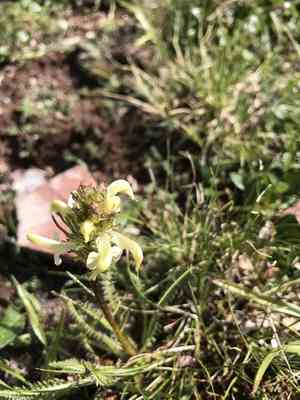
Parry's lousewort (Pedicularis parryi)
Also known as: Mogollon lousewort
Parry's lousewort (Pedicularis parryi) is an eye-catching alpine wildflower, well-adapted to high-mountain meadows. This plant features vivid magenta flowers with a distinctive beak-like structure, which is particularly effective in attracting hummingbirds for pollination. Its lance-shaped leaves are another notable characteristic. Parry's lousewort can thrive in the thin, rocky soils typical of its environment, thanks in part to a specialized root system that often connects to nearby plants to draw additional nutrients.
In This Article
Attributes of Parry's lousewort
Lifespan
Perennial
Plant Type
Herb
Plant Height
Up to 60 cm
Spread
N/A
Leaf Color
Green
Flower Size
Approximately 1-2 cm
Flower Color
Purplish-pink to violet
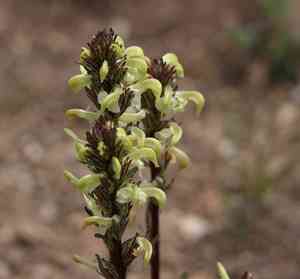
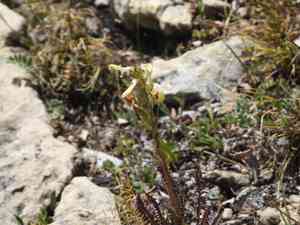
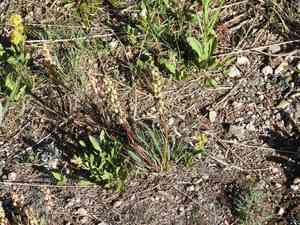
Images of Parry's lousewort
Quickly Identify Parry's lousewort
1
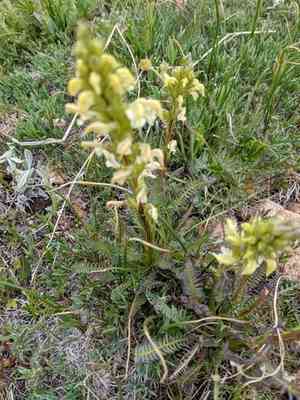
This plant can be identified by its tall, slender stems that reach up to 60 cm in height, with lance-shaped leaves and densely packed flowers that range in color from purplish-pink to violet. The flowers are tubular and bilaterally symmetrical, typical of the genus.
Scientific Classification of Parry's lousewort
Phylum
Vascular plants
Class
Dicotyledons
Order
Lamiales
Family
Broomrape
Genus
Pedicularis
Species
Parry's lousewort
Planting and Growing of Parry's lousewort
Care Difficulty
Hard
Watering Schedule
Every 2 days
Sunlight Requirements
Partial sun
Sunshine Duration
4-8 hours
Ideal Temperature
55-65℉
Soil Type
Potting Mix, Peat Mix
Soil pH
6.5-7.5
Fertilizer Type
Balanced
Pruning Season
Spring, Summer
Pruning Area
Branches, Leaves
Pruning Frequency
2 times a year
Repotting Season
Spring
Pot Type
Plastic, Ceramic
 How to Water Parry's lousewort?
When watering Pedicularis parryi, aim for 500 milliliters per watering session. This amount should sufficiently moisten the soil without waterlogging the roots. The key is to ensure the soil is evenly damp but not soggy, allowing excess water to drain away.
What are the symptoms of an underwatered Parry's lousewort?
›
What should I do if my Parry's lousewort is not getting enough water?
›
What are the symptoms of an overwatered Parry's lousewort?
›
How to save an overwatered Parry's lousewort?
›
 What Are the Sunlight Requirements for Parry's lousewort?
Partial sun exposure is ideal, providing balanced conditions of light and shade. This optimal setup enhances foliage color and bloom production, ensuring that Pedicularis parryi remains healthy, resilient, and visually appealing.
How much direct sunlight should Pedicularis parryi receive?
›
Can Pedicularis parryi grow in full shade?
›
What measures can ensure optimal lighting for Pedicularis parryi?
›
 What Is the Ideal Temperature Range for Parry's lousewort?
The ideal temperature range for Pedicularis parryi lies between 55°F to 65°F. This range offers the best environmental conditions for optimum growth and health of the plant. Within this range, the plant can photosynthesize efficiently, and the likelihood of thermal stress is minimal. At these temperatures, Pedicularis parryi can maintain its metabolic processes at optimal levels, resulting in robust growth and healthy development.
 What Soil is Best for Parry's lousewort?
The soil should have good drainage capabilities to prevent waterlogging, which ensures that the roots have access to oxygen and reduce the risk of root rot, benefiting the plant's growth and health. The soil must be rich in organic matter to provide ample nutrients. This enhances the vigor of Pedicularis parryi, promoting robust growth and vibrant flowering. The soil should retain moisture adequately without becoming waterlogged, ensuring the plant receives consistent hydration during dry periods, which helps in sustaining its overall physiological functions.
 How to Fertilize Parry's lousewort?
When applying fertilizer to Pedicularis parryi, it's crucial to use a diluted solution to prevent root burn. For liquid fertilizers, use one-quarter of the recommended amount on the package label. For slow-release fertilizers, apply approximately 1 teaspoon per plant annually.
 How to Prune Parry's lousewort?
Prune Pedicularis parryi primarily during its growing seasons, which are spring and summer. These periods allow the plant to recover quickly from pruning as new growth begins to establish itself. Ensure your pruning shears or scissors are sharp and disinfected before making any cuts. This prevents the spread of diseases and ensures clean cuts that heal faster. Carefully remove any dead or damaged stems and leaves. Snip these at the base to encourage new shoots, improving the plant's vitality by directing energy toward new growth. Thinning the plant’s structure allows light and air to reach inner branches. Focus on maintaining its natural shape, cutting back any overgrown areas to preserve a balanced appearance.
More About Pruning Techniques→
 How to Propagate Parry's lousewort plant?
1
First, sterilize your seed trays to prevent fungal infections. Then fill them with a moist germination mix to provide a suitable environment for the seeds to sprout.
2
Scatter the Pedicularis parryi seeds evenly across the surface of the germination mix. Do not cover the seeds entirely, as they need light for germination. Mist lightly with water to settle the seeds.
3
Place the seed trays in a bright, warm location. Maintain consistent moisture levels but avoid overwatering. Germination can take several weeks, after which seedlings will start to emerge.
 How to Repot Parry's lousewort plant?
1
Pedicularis parryi indicates it's time for a new pot when the roots begin to circle the bottom or emerge through drainage holes. If the plant's growth stalls or it seems overly thirsty, these are subtle signals that it's craving more space to stretch and sip nutrients.
2
Opt for a pot that's 1-2 inches larger in diameter. This ensures sufficient room for root expansion while avoiding the risk of upsize-induced stress on the plant. A pot with multiple drainage holes will prevent water accumulation, supporting robust and healthy growth.
3
Select a sandy loam mix that promises excellent drainage. Its ability to maintain bone-dry feet ensures your Pedicularis parryi sidesteps root rot, while the sandy texture duplicates its native earth, making the plant feel utterly at home.
Learn More About Parry's lousewort Diseases
Bacterial Leaf Spot
Bacterial Wilt
Chemical Injury
Cyst Nematode
Damping-off
Downy Mildew
Drought Stress
Fusarium Wilt
Gray Mold
Leaf Spot
Mosaic
Nutrient Deficiency
Nutrient Toxicity
Powdery Mildew
Root Rot
Root-knot Nematode
Rusts
Sooty Mold
Spider Mites
Temperature Stress
Thrips Damage
White Mold



