How to Propagate Labrador lousewort?
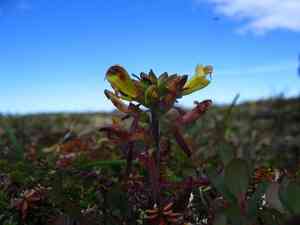
Labrador lousewort is a perennial herb indigenous to northern areas, recognized for its unique, frequently violet blossoms. To achieve successful propagation, scatter seeds directly onto the soil's surface and lightly conceal them, ensuring consistent dampness. Verify that the seeds obtain sufficient illumination, as it is essential for their sprouting. Employing a well-draining, somewhat acidic substrate will enhance development and rooting. Sprouting can be gradual, so exercise patience and refrain from disrupting the area after planting.
Optimal Time for Labrador Lousewort Propagation
Propagation Method
Seeding
Propagation Period
Spring
Tools for Propagating Labrador Lousewort
Seed Trays
Seed trays are vital for propagating labrador lousewort via sowing. They offer a controlled setting that promotes uniform seed distribution and spacing, crucial for initial growth and preventing overcrowding.
Seed Starting Mix
A premium seed starting mix guarantees proper drainage, air circulation, and nutrient availability, fostering healthy germination and root development. This is especially important for labrador lousewort, as it supports the delicate seeds and root systems as they establish.
Humidity Dome
A humidity dome maintains ideal moisture levels around the seeds, essential for consistent germination. For labrador lousewort, high humidity helps keep the tiny seeds hydrated and reduces drying out.
Watering Can
A small watering can with a fine nozzle allows for gentle, controlled watering, crucial to avoid dislodging labrador lousewort's delicate seeds from the growing medium while ensuring adequate moisture.
Heat Mat
Using a heat mat provides consistent bottom heat, which helps accelerate and improve labrador lousewort's germination rate. This tool ensures soil temperatures remain within the optimal range for seed germination.
Spray Bottle
A spray bottle is ideal for misting the soil surface, offering a gentle way to keep the seed starting mix evenly moist without waterlogging, which is critical for labrador lousewort's sensitive seeds.
Transparent Plastic Wrap
Covering seed trays with clear plastic wrap helps maintain humidity and warmth, creating a mini-greenhouse effect beneficial for labrador lousewort's seed germination.
Seedling Labels
Seedling labels are useful for tracking labrador lousewort's progress and noting sowing dates and applied treatments. Accurate labeling aids in managing and observing propagation trials effectively.
How to Propagate Labrador Lousewort?
Propagation Type
Simple
Caring for Newly Propagated Labrador Lousewort
Caring for Newly Propagated Labrador Lousewort
Post-germination, labrador lousewort seedlings should be gradually introduced to outdoor conditions. Transplant them into individual containers once they develop their second set of true leaves. Provide consistent moisture and partial shade. Monitor for pests and diseases, and ensure well-drained soil to prevent root rot.
Common Propagation Errors for Labrador Lousewort
Overwatering
Excessive watering can lead to root rot and fungal issues, which are harmful to labrador lousewort's health.
Soil Compaction
Dense, compacted soil restricts root growth and reduces oxygen availability, impeding labrador lousewort's development.
Incorrect Light Levels
Insufficient light can result in weak growth, while too much direct sunlight can scorch the leaves.
Improper Seed Handling
Failure to properly handle or stratify seeds can significantly lower germination rates.
Tips for Propagating Labrador Lousewort
Well-Draining Soil
Ensure the use of well-draining soil to prevent root rot and provide an optimal growing medium for labrador lousewort.
Gentle Watering
Water plants gently and moderately, keeping the soil moist but not saturated.
Correct Light Exposure
Provide appropriate light levelsâbright, indirect light is often beneficial for labrador lousewort's growth.
Seed Stratification
Perform proper cold stratification of seeds to enhance germination success for labrador lousewort.
Soil Aeration
Regularly aerate the soil to maintain good oxygen flow to the roots, promoting healthy growth.



