How to Propagate Broadfruit combseed?
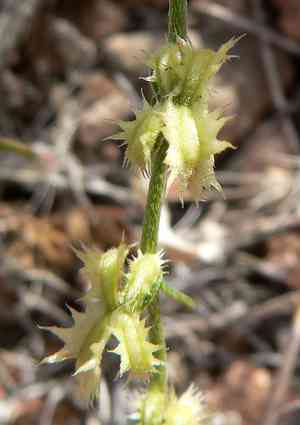
Originating from parched environments, broadfruit combseed flourishes in arid, gritty earth. To achieve effective propagation, disperse seeds directly onto a substrate that drains efficiently. Ensure uniform soil dampness until sprouting becomes apparent. Relocation is unnecessary given its robust characteristics. A sun-drenched spot is perfect for development and blooming, replicating its native surroundings. Excessive watering must be prevented to avert root decay.
Optimal Period for Broadfruit Combseed Propagation
Propagation Method
Seeding
Propagation Period
Spring
Essential Tools for Broadfruit Combseed Propagation
Seed Trays
Seed trays are crucial for sowing broadfruit combseed seeds uniformly. They facilitate easy management and observation of young plants. Using individual cells helps minimize root disturbance during transplanting.
Seed Starting Mix
A seed starting mix is vital for offering a sterile, well-draining substrate that encourages germination. For broadfruit combseed, a blend that retains adequate moisture while preventing waterlogging is perfect.
Moisture Meter
Moisture meters are employed to ensure the seed starting mix maintains optimal moisture levels. Excessive or insufficient watering can significantly impact the germination rate of broadfruit combseed.
Plant Labels
Plant labels assist in identifying seedlings and tracking various sowing dates. This is especially useful for monitoring the growth progress of broadfruit combseed among other species.
Humidity Dome
A humidity dome is utilized to maintain consistent humidity levels within seed trays. Broadfruit combseed may require steady moisture for successful germination, and the dome prevents the seeds from drying out.
Spray Bottle
A spray bottle is ideal for gently watering seeds without dislodging them. For broadfruit combseed, this ensures seeds remain in contact with the soil without being washed away or buried too deeply.
Grow Lights
Grow lights supply the necessary light spectrum and intensity for seed germination and seedling development, particularly when starting broadfruit combseed indoors or in low-light environments.
Hand Trowel
A small hand trowel is useful for moving seedlings from trays to the garden or larger containers. This tool minimizes root disruption, which is critical for the healthy establishment of broadfruit combseed.
Heat Mat
A heat mat can be used to maintain a warm soil temperature, which can boost the germination rate of broadfruit combseed by providing consistent warmth from below.
Fine Mesh Sieve
A fine mesh sieve is valuable for covering seeds with a thin layer of soil or sand, ensuring good seed-to-soil contact for broadfruit combseed while avoiding excessively deep planting.
How to Propagate Broadfruit Combseed?
Propagation Difficulty
Easy
Caring for Your Newly Propagated Broadfruit Combseed
Caring for Your Newly Propagated Broadfruit Combseed
Post-germination, ensure young broadfruit combseed seedlings receive consistent yet gentle irrigation. Gradually introduce them to direct sunlight to prevent scorching, and transplant them to a permanent spot with well-draining soil once they've developed a few true leaves. Regularly remove weeds and provide occasional light feeding with a balanced, diluted fertilizer to support robust growth.
Common Errors to Avoid When Propagating Broadfruit Combseed
Overwatering
Excessive watering leads to root rot, which can severely harm broadfruit combseed by suffocating its roots and encouraging fungal growth.
Insufficient Light
Providing inadequate light results in weak, elongated growth due to the plant's requirement for full sun to flourish.
Incorrect Soil Type
Using soil that drains poorly retains too much moisture, causing root problems, while overly sandy soil cannot hold essential nutrients.
Neglecting Seed Stratification
Skipping the seed stratification process can lead to poor germination rates as broadfruit combseed seeds often require a period of cold treatment.
Tips For Propagating Broadfruit Combseed
Seed Stratification
Mimic natural conditions by chilling the seeds in a moist medium for several weeks before planting to enhance germination success.
Well-Draining Soil
Utilize a soil mix with good drainage to prevent waterlogging and root rot. Adding sand or perlite can be beneficial.
Adequate Sunlight
Provide full sun exposure to replicate its natural habitat and ensure vigorous growth and health.
Moderate Watering
Water sparingly and allow the soil to dry out between watering sessions to avoid keeping roots constantly damp.



