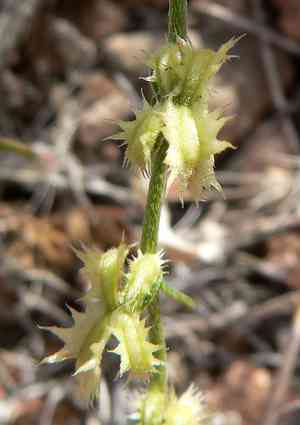
Broadfruit combseed (Pectocarya platycarpa)
Also known as: Wide-toothed pectocarya
Broadfruit combseed (Pectocarya platycarpa) typically grows in dry, sandy environments like deserts and scrublands. Its deep roots allow it to tap into scarce water supplies, while its small, narrow leaves reduce water loss. The plant also produces winged seeds that aid in dispersal. Its compact and resilient structure helps it thrive in tough, arid conditions.
In This Article
Attributes of Broadfruit combseed
Lifespan
Annual
Plant Type
Herb
Plant Height
Approximately 10 cm (4 inches)
Spread
Not applicable as the plant has a prostrate growth form
Leaf Color
Green
Flower Size
Around 2 to 4 mm
Flower Color
White
Images of Broadfruit combseed
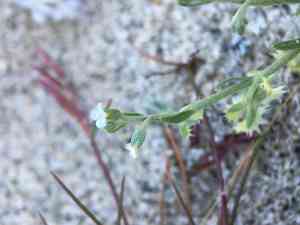
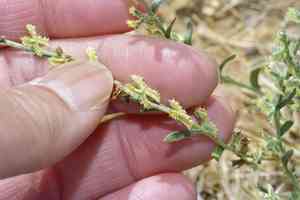
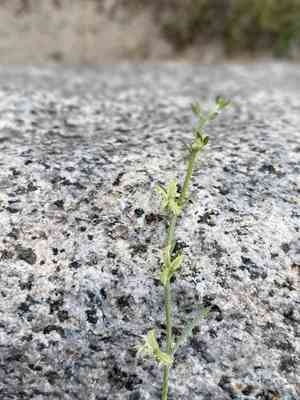
Quickly Identify Broadfruit combseed
1
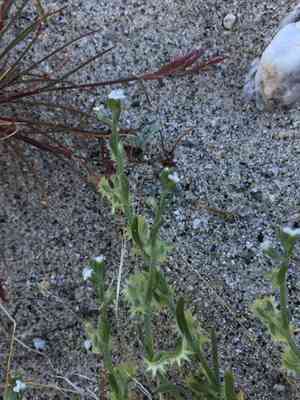
Identifying Pectocarya platycarpa can be done by observing its small, white, five-petaled flowers, and its distinctive flat, winged fruits. The leaves are narrow, and the plant has a prostrate or ascending growth habit.
Scientific Classification of Broadfruit combseed
Phylum
Vascular plants
Class
Dicotyledons
Order
Boraginales
Family
Borage
Genus
Pectocarya
Species
Broadfruit combseed
Planting and Growing of Broadfruit combseed
Care Difficulty
Moderate
Watering Schedule
Every 4 days
Sunlight Requirements
Full sun
Sunshine Duration
6-12 hours
Ideal Temperature
50-77℉
Soil Type
Potting Mix, Peat Mix
Soil pH
6.5-7.5
Fertilizer Type
Balanced
Pruning Season
Spring, Summer
Pruning Area
Branches, Leaves
Pruning Frequency
2 times a year
Repotting Season
Spring
Pot Type
Plastic, Ceramic
 How to Water Broadfruit combseed?
For Pectocarya platycarpa, water until the soil is thoroughly moist but not waterlogged. Ensure the top inch of soil is dry before watering again to avoid root rot. This plant does not require excessive watering, but consistent moisture is necessary to maintain its health.
What are the symptoms of an underwatered Broadfruit combseed?
›
What should I do if my Broadfruit combseed is not getting enough water?
›
What are the symptoms of an overwatered Broadfruit combseed?
›
How to save an overwatered Broadfruit combseed?
›
 What Are the Sunlight Requirements for Broadfruit combseed?
The ideal light range for Pectocarya platycarpa is full to partial sun, ensuring robust photosynthesis, healthy growth, and resilience against environmental stressors.
Question: What is the best lighting for Pectocarya platycarpa?
›
Question: How to achieve ideal lighting for Pectocarya platycarpa?
›
Question: Why is ideal lighting important for Pectocarya platycarpa?
›
 What Is the Ideal Temperature Range for Broadfruit combseed?
Pectocarya platycarpa thrives optimally in temperatures ranging from 50°F to 77°F. This range ensures the plant experiences enough warmth for metabolic activities and growth, while not being exposed to excessively hot conditions that can cause stress. Consistent monitoring within this range maximizes the plant's productivity and health.
 What Soil is Best for Broadfruit combseed?
Pectocarya platycarpa thrives in well-drained soil that prevents root rot and stagnation. Ensuring proper drainage promotes healthy root growth and nutrient uptake, vital for the plant's development. A nutrient-rich soil mixture boosts Pectocarya platycarpa's vigor. Incorporating organic matter like compost can improve soil fertility, supporting robust flowering and foliage health. The plant prefers soil that offers moderate moisture retention, providing essential hydration without drowning the roots. This balance is key for preventing stress conditions.
 How to Fertilize Broadfruit combseed?
Pectocarya platycarpa typically prefers a balanced amount of nutrients to thrive. Apply liquid fertilizer at a rate of 1/4 teaspoon per gallon of water, ensuring that the concentration is not too high, to avoid root burn. For solid fertilizers, use a slow-release formula and apply approximately 1 tablespoon per square foot around the base of the plant. Distribute the fertilizer evenly to promote uniform growth.
 How to Prune Broadfruit combseed?
Always use sharp, clean pruning tools to minimize damage to the plant. This ensures cleaner cuts, which heal faster and reduce the risk of disease transmission. When making cuts, always prune just above a growth node or bud. This encourages new growth at the cut point, helping the plant to remain lush and full. Avoid heavy pruning that removes more than one-third of the plant at once. Such drastic cuts can stress the plant, affecting its growth and vitality. It's better to prune lightly and frequently. Prune during mild weather conditions to avoid stressing the plant. Extreme temperatures, whether hot or cold, can affect the plant’s ability to recover from pruning.
More About Pruning Techniques→
 How to Propagate Broadfruit combseed plant?
1
Fill the seed tray with a well-draining potting mix, ensuring it is moistened but not waterlogged. Level the soil surface to provide an even bed for sowing seeds.
2
Scatter the Pectocarya platycarpa seeds evenly across the prepared soil surface. Lightly press them into the soil but do not cover them completely, as some light is needed for germination.
3
Gently water the seeds using a spray bottle to avoid displacing them. Cover the tray with a plastic lid or plastic wrap to maintain humidity, which aids in the germination process.
 How to Repot Broadfruit combseed plant?
1
Repotting is necessary when Pectocarya platycarpa appears root-bound, showing signs such as roots emerging from the drainage holes or noticeable growth slowdown. Perform repotting during the active growing seasons of spring or summer to ensure the plant has optimal energy for adjustment.
2
Select a pot that is slightly larger than the current one, ensuring it has adequate drainage holes. The right size allows room for root expansion and helps prevent overwatering issues by maintaining proper moisture levels. A pot with a depth similar to its width suits this plant best.
3
Opt for a well-draining sandy soil mix that mimics Pectocarya platycarpa's natural habitat. This soil type promotes good aeration and efficient water management, preventing root rot and allowing the plant's delicate roots to thrive and spread effectively.
Learn More About Broadfruit combseed Diseases
Bacterial Leaf Spot
Bacterial Soft Rot
Bacterial Wilt
Chemical Injury
Crown Gall
Cyst Nematode
Damping-off
Downy Mildew
Drought Stress
Fusarium Wilt
Gray Mold
Leaf Spot
Mosaic
Nutrient Deficiency
Nutrient Toxicity
Powdery Mildew
Root Rot
Root-knot Nematode
Rusts
Sooty Mold
Spider Mites
Temperature Stress
Thrips Damage
White Mold



