How to Propagate Rustyseed paspalum?
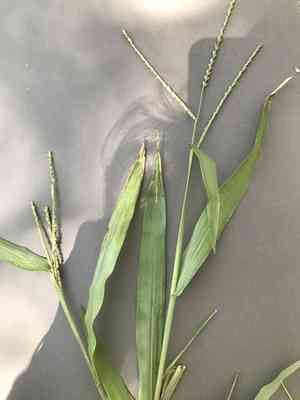
Paspalum ferrugineum, a resilient grass variety, is primarily multiplied via separation. Essential advice involves choosing vigorous clusters for division, verifying that each segment possesses a sufficient root structure, and cultivating in soil that drains effectively. Consistent irrigation is vital for the successful establishment of young plants. Thoughtful spacing aids in averting excessive density, fostering robust development. For optimal outcomes, consult botanical directives tailored to this particular grass type.
When Is the Optimal Time to Propagate Rustyseed Paspalum?
Propagation Method
Division
Propagation Period
Spring,Autumn
What Tools Are Utilized for Rustyseed Paspalum Propagation?
Garden Fork
A garden fork is crucial for loosening the earth around rustyseed paspalum prior to removing the clump for division. Its robust tines can efficiently penetrate and lift soil without causing extensive root damage, which is vital for maintaining plant vitality.
Sharp Spade or Knife
A sharp spade or knife is essential for cleanly and precisely separating the clump of rustyseed paspalum. These implements minimize root trauma and ensure even plant division, allowing for rapid establishment and reduced transplant shock.
Root Ball Separator
A root ball separator can aid in gently untangling the roots of rustyseed paspalum, enabling a cleaner division with minimal stress to the plant. This tool is especially valuable for dense root systems where manual separation might cause breakage.
Watering Can with Fine Rose
A watering can with a fine rose is indispensable for providing gentle, uniform irrigation to newly divided sections of rustyseed paspalum. Consistent moisture is crucial for root establishment, and the fine rose prevents soil displacement and root exposure.
Plant Labels
Plant labels assist in tracking newly divided rustyseed paspalum sections. This ensures proper monitoring and care, clarifying which divisions require more attention or are ready for transplanting while maintaining organized propagation practices.
Compost or Organic Matter
Compost or organic matter enhances soil structure and nutrient content around the new divisions of rustyseed paspalum. Enriching the soil with organic matter promotes root growth and overall plant health during the critical establishment phase.
Mulch
Applying mulch around the base of the newly planted divisions of rustyseed paspalum helps retain soil moisture, regulates temperature, and reduces weed competition. This creates a more stable environment for the plants to thrive post-division.
Hand Trowel
A hand trowel is perfect for planting the new divisions into their prepared locations. It allows for precise digging and minimal disturbance to the surrounding soil, which aids in the smooth transition and establishment of rustyseed paspalum.
How to Propagate Rustyseed Paspalum?
Propagation Difficulty
Easy
How to Nurture Your Newly Propagated Rustyseed Paspalum?
How to Nurture Your Newly Propagated Rustyseed Paspalum?
Following propagation, keep the soil consistently moist but not saturated. Provide partial to full sunlight as rustyseed paspalum thrives in such conditions. Apply a balanced, slow-release fertilizer to encourage vigorous growth. Regularly inspect for pests and diseases; treat promptly if necessary. Mulch around the plants to retain moisture and suppress weeds, ensuring healthy and robust development of rustyseed paspalum.
Common Errors to Avoid When Propagating Rustyseed Paspalum
Overwatering
Excessive moisture can lead to root rot, fungal infections, and may ultimately result in the demise of rustyseed paspalum.
Inappropriate Soil Selection
Utilizing soil that lacks adequate drainage or is too nutrient-deficient can hinder root growth and impede the development of rustyseed paspalum.
Pest Infestation
Failing to monitor for pests like aphids or mites can result in significant damage, weakening the plant and impacting propagation success.
Incorrect Light Conditions
Providing too much or too little light can stress rustyseed paspalum, affecting its overall growth and ability to propagate effectively.
Lack of Patience
Not allowing sufficient time for seeds or cuttings to establish roots can lead to premature transplanting, which can harm the plant.
Advice for Propagating Rustyseed Paspalum
Utilize Well-Draining Soil
Select a soil mix that provides good drainage to prevent waterlogging and root rot, ensuring healthy root development for rustyseed paspalum.
Moderate Watering
Water the plant moderately, allowing the soil to dry out slightly between waterings to avoid excessive moisture accumulation.
Monitor for Pests
Regularly inspect rustyseed paspalum for any indications of pest infestation and treat promptly with appropriate methods to safeguard the plant.
Optimal Light Conditions
Position rustyseed paspalum in a location where it receives adequate but not excessive light, mimicking its natural environment for best outcomes.
Patience During Root Formation
Allow ample time for seeds or cuttings to develop strong root systems before considering transplanting to ensure successful establishment.



