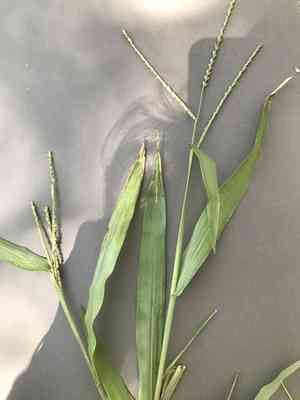
Rustyseed paspalum (Paspalum langei)
Also known as: None reported
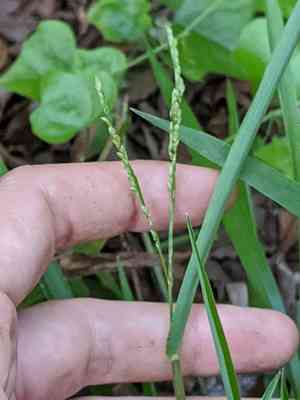
Rustyseed paspalum (Paspalum langei) is a hardy perennial grass adapted to warm climates. It is characterized by its slender, upright stems and narrow, elongated leaves. The grass stands out with its rusty-colored seeds and small, spikelet flowers arranged in racemes. It thrives in sunny, open habitats such as grasslands, roadsides, and near water bodies, preferring well-drained soils. Rustyseed paspalum is also valuable for soil stabilization and supporting local ecosystems.
In This Article
Attributes of Rustyseed paspalum
Lifespan
Perennial
Plant Type
Grass
Plant Height
30 cm to 91 cm
Spread
Typically a few centimeters to a few decimeters in spread at the base
Leaf Color
Green
Flower Size
Small, generally less than 1 cm
Flower Color
Not prominently colored, typically green or brownish
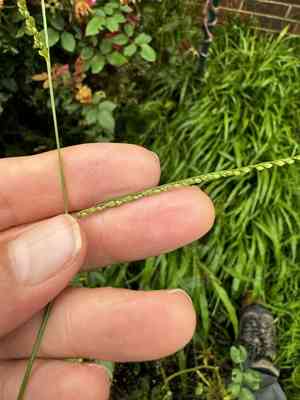
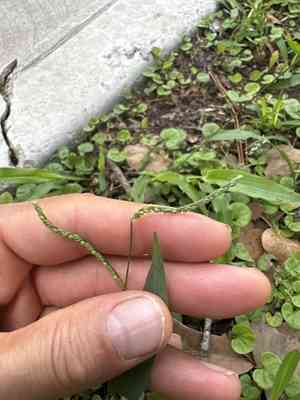
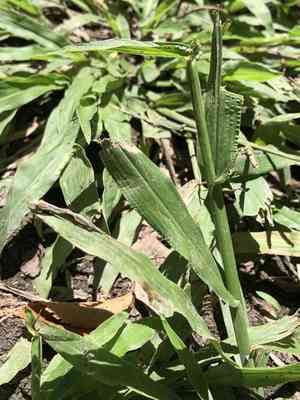
Images of Rustyseed paspalum
Quickly Identify Rustyseed paspalum
1
Identifying Paspalum langei involves looking for its characteristic spikelets that are typically arranged in pairs along a single raceme. The species often displays a tufted growth form.
Scientific Classification of Rustyseed paspalum
Phylum
Vascular plants
Class
Monocotyledons
Order
Poales
Family
Grass
Genus
Paspalum
Species
Rustyseed paspalum
Planting and Growing of Rustyseed paspalum
Care Difficulty
Moderate
Watering Schedule
Every 2 days
Sunlight Requirements
Full sun
Sunshine Duration
4-8 hours
Ideal Temperature
68-77℉
Soil Type
Potting Mix, Peat Mix
Soil pH
6.5-7.5
Fertilizer Type
Balanced
Pruning Season
Spring, Summer
Pruning Area
Branches, Leaves
Pruning Frequency
2 times a year
Repotting Season
Spring
Pot Type
Plastic, Terracotta
 How to Water Rustyseed paspalum?
For Paspalum langei, it is crucial to water sufficiently to keep the soil moderately moist but not soggy. Watering thoroughly until water drains from the bottom of the pot ensures the roots are well hydrated. Each watering session should involve roughly 300 milliliters, depending on the size of the pot and the environmental conditions.
What are the symptoms of an underwatered Rustyseed paspalum?
›
What should I do if my Rustyseed paspalum is not getting enough water?
›
What are the symptoms of an overwatered Rustyseed paspalum?
›
How to save an overwatered Rustyseed paspalum?
›
 What Are the Sunlight Requirements for Rustyseed paspalum?
Paspalum langei flourishes in full sun to partial shade. Ideal lighting boosts chlorophyll production, vital for energy transformation, and ensures lush growth and resistance to environmental stressors.
What is the ideal lighting for Paspalum langei?
›
How can I ensure my Paspalum langei receives optimal lighting?
›
What benefits does optimal lighting provide for Paspalum langei?
›
 What Is the Ideal Temperature Range for Rustyseed paspalum?
The ideal temperature range for growing Paspalum langei is between 68°F and 77°F. This range promotes optimal photosynthesis and growth for the plant, ensuring that it can thrive and produce healthy foliage.
 What Soil is Best for Rustyseed paspalum?
Paspalum langei thrives best in well-drained soils that prevent waterlogging. Proper drainage ensures that roots receive adequate oxygen, which is crucial for healthy growth and development. This plant requires soil that is rich in nutrients to support its vigorous growth. A fertile soil ensures an abundant supply of essential nutrients, promoting lush foliage and robust health. While drainage is important, the soil should also retain some moisture to ensure the plant stays hydrated between watering. Balanced moisture helps sustain its growth during dry spells.
 How to Fertilize Rustyseed paspalum?
For Paspalum langei, it's essential to use fertilizers sparingly to avoid nutrient burn. When applying liquid fertilizer, use a diluted solution at a concentration recommended on the product label, usually under a teaspoon per gallon of water.
 How to Prune Rustyseed paspalum?
Begin by clearing any debris and dead matter around Paspalum langei to get a clear view of the plant's structure. This provides an unobstructed path for pruning and helps you identify the healthiest shoots to keep. Using shears, carefully trim the grass to maintain the desired shape and encourage denser growth. Focus on removing overgrown and stray blades to create a neat appearance. By thinning out some of the inner growth, you'll allow better air circulation within the plant structure. This step is crucial for preventing fungal diseases and promoting a healthier microenvironment.
More About Pruning Techniques→
 How to Propagate Rustyseed paspalum plant?
1
Use a well-draining soil mix with a balance of sand, peat, and perlite. This mix should offer sufficient aeration and moisture retention, crucial for the young plantlets to establish roots.
2
Select healthy, non-flowering shoots that are about 4-6 inches long. Make a clean cut at a 45-degree angle and remove the bottom leaves. This encourages better rooting and decreases water loss through transpiration.
3
Sow seeds in seed trays filled with the prepared soil mix. Cover the seeds lightly with soil, and water gently. Keep the soil consistently moist but not waterlogged, and ensure temperatures remain between 70-75°F for optimal germination.
 How to Repot Rustyseed paspalum plant?
1
Look for signs such as roots emerging from drainage holes, reduced growth, or yellowing leaves. These indicate that Paspalum langei is becoming root-bound and needs a larger living space. Ideally, consider repotting during the active growth periods of spring or summer.
2
Select a pot slightly larger than the current one, ideally 1-2 inches bigger in diameter. Ensure it has ample drainage holes to prevent waterlogging, which can lead to root rot. The right-sized pot encourages healthy root expansion and better nutrient uptake.
3
Choose a well-draining loamy mix, enriched with organic matter. This type of soil ensures that water drains efficiently while retaining enough moisture and nutrients for optimal plant health. It helps prevent the roots from sitting in soggy conditions, reducing the risk of fungal infections.



