How to Propagate Palisota?
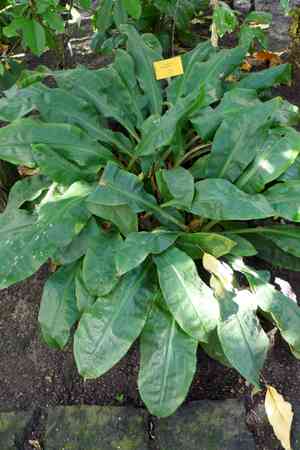
Palisota, a perennial herb native to tropical zones, is recognized for its abundant leaves and distinctive berry-like fruit formations. Its reproduction is most effectively accomplished via cuttings. Employ clean, sharp implements to sever healthy stems, 4-6 inches in length, directly beneath a node. Insert these cuttings into a damp, adequately draining substrate, ensuring they receive diffused light and steady hydration. Rooting stimulant can improve the outcome. Maintain elevated humidity levels by enclosing them in a plastic bag or utilizing a propagation unit.
What Is the Best Time To Propagate Palisota?
Propagation Type
Cutting
Propagation Season
Spring,Summer
What Tools Are Used in Palisota Propagation?
Sterile Pruning Shears
Crucial for obtaining clean, precise cuttings from palisota, minimizing disease risk and harm to the parent plant. Disinfect these shears prior to each use to maintain plant health.
Rooting Hormone
Utilized to stimulate root development on cuttings. Applying a rooting hormone to palisota cuttings can boost their ability to form roots, leading to higher propagation success rates.
Propagation Trays
Offer an organized and regulated setting for palisota cuttings to root. These trays frequently feature individual cells that can be filled with suitable potting mix, ensuring each cutting has ample space and nutrients for root growth.
Humidity Dome
Maintains elevated humidity levels around the cuttings, which is vital for palisota as they establish roots. A humidity dome can prevent cuttings from drying out and enhance the likelihood of successful propagation.
Sterile Potting Mix
A well-draining, sterile potting mix aids the rooting process by supplying essential aeration and reducing the chance of fungal infections. Employing a high-quality soilless mix is advantageous for palisota cuttings.
Heat Mat
Delivers warmth to the base of propagation trays, which can significantly improve root formation in palisota cuttings. Consistent warmth encourages faster root growth, particularly in cooler settings.
Mist Sprayer
An indispensable tool for maintaining appropriate moisture levels around palisota cuttings. Regular misting helps keep the foliage and the cutting environment humid, which is beneficial for successful root development.
Labeling Stakes
Important for tracking various stages and types of cuttings, especially when propagating multiple plants. Labels ensure that care routines are followed accurately for each palisota cutting.
Sanitizing Solution
Used to sterilize tools and containers, reducing the risk of pathogen transfer. Maintaining cleanliness with a sanitizing solution is crucial in preventing diseases in palisota cuttings during the propagation process.
How to Propagate Palisota?
Propagation Type
Easy
How to Care for Your Newly Propagated Palisota?
How to Care for Your Newly Propagated Palisota?
Once the palisota cutting has developed roots and new growth is visible, gradually introduce the young plant to normal humidity by removing the plastic bag for a few hours daily over a week. Replant the rooted cutting into a larger container with a well-draining soil mix when it outgrows its initial pot. Position the plant in a spot with indirect light and maintain moderate watering, ensuring the soil remains moist but not waterlogged. Regularly inspect for pests and ensure good air circulation around the plant to prevent fungal issues.
Common Mistakes to Avoid When Propagating Palisota
Overwatering
Excessive watering can lead to root rot, which can severely harm or kill palisota before it has a chance to establish.
Incorrect Soil
Using dense or clay-heavy soil can impede root growth and retain too much moisture, fostering fungal problems.
Insufficient Light
Not providing adequate light can slow growth and result in weak, leggy plants that are more vulnerable to disease.
Poor Cutting Techniques
Employing dull or unclean tools to take cuttings can cause infection or damage plant tissues, reducing the likelihood of successful propagation.
Neglecting Temperature
Exposing palisota to excessively cold or fluctuating temperatures can stress the plant and hinder root development.
Tips For Propagating Palisota
Use Well-Draining Soil
Choose a light, well-draining potting mix to prevent waterlogging and provide roots with necessary oxygen.
Maintain Moisture
Keep the soil consistently damp but not saturated to support root growth without causing decay.
Provide Adequate Light
Palisota needs bright, indirect light to flourish; place cuttings where they receive ample light without direct sun exposure.
Sterile Cutting Tools
Always use sharp and sanitized tools for cuttings to minimize infection risk and ensure a clean cut.
Stable Environment
Ensure cuttings are kept in a stable, warm environment, ideally between 70-85°F (21-29°C), to encourage healthy root formation.



