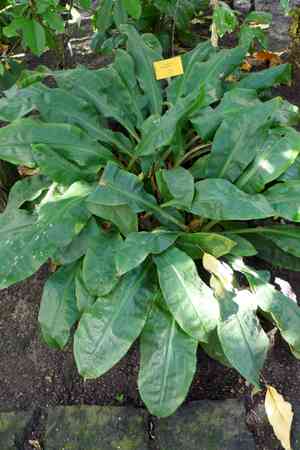
Palisota (Palisota bracteosa)
Also known as: None known
Palisota is a stemless herb native to the rainforests of West-Central Tropical Africa. Its red fruit contains sap that can cause irritation. When handling the fruit, it is important to wear gloves to protect against its stinging hairs.
In This Article
Attributes of Palisota
Lifespan
Perennial
Plant Type
Herb
Plant Height
0.3 to 0.6 meters
Spread
Up to 0.5 meters
Leaf Color
Green
Flower Size
Small, typically less than 1 cm
Flower Color
White or purple
Images of Palisota
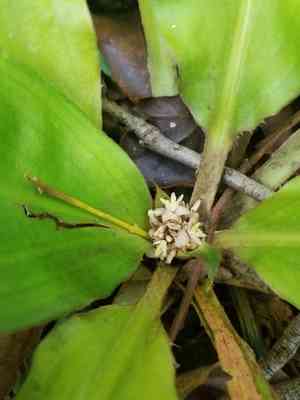
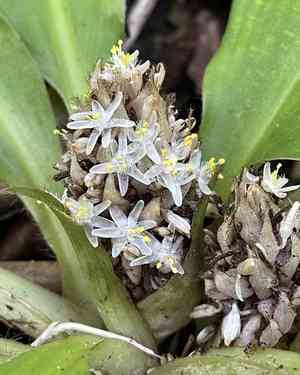
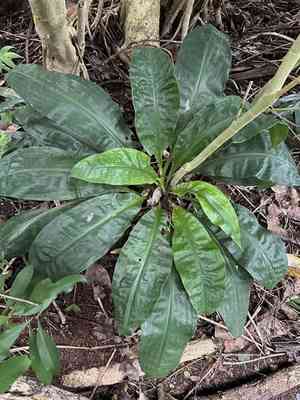
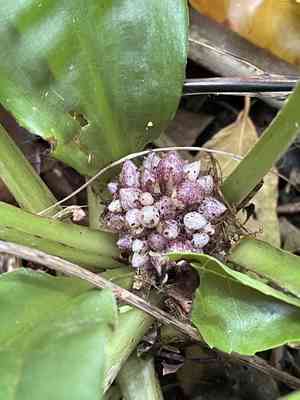
Quickly Identify Palisota
1
Look for its broad, glossy leaves and distinctive bracts that surround its flowers. The plant tends to grow low to the ground and can often be found in shaded, humid environments.
Scientific Classification of Palisota
Phylum
Vascular plants
Class
Monocotyledons
Order
Commelinales
Family
Spiderwort
Genus
Palisota
Species
Palisota
Planting and Growing of Palisota
Care Difficulty
Moderate
Watering Schedule
Every 3 days
Sunlight Requirements
Partial sun
Sunshine Duration
4-6 hours
Ideal Temperature
65-75℉
Soil Type
Potting Mix, Peat Mix
Soil pH
6.5-7.5
Fertilizer Type
Balanced
Pruning Season
Spring, Summer
Pruning Area
Branches, Leaves
Pruning Frequency
2 times a year
Repotting Season
Spring
Pot Type
Plastic, Terracotta
 How to Water Palisota?
For Palisota bracteosa, it's crucial to maintain evenly moist soil without waterlogging. Each watering session should uniformly distribute approximately 200ml of water, ensuring it reaches the root zone efficiently. Saturate the soil just enough so that the excess begins to drain lightly from the pot's bottom. This helps in nourishing the plant without causing root rot.
What are the symptoms of an underwatered Palisota?
›
What should I do if my Palisota is not getting enough water?
›
What are the symptoms of an overwatered Palisota?
›
How to save an overwatered Palisota?
›
 What Are the Sunlight Requirements for Palisota?
Palisota bracteosa prefers partial to full shade conditions. Having the ideal light conditions ensures healthy photosynthesis, vibrant leaf color, and robust growth.
How much sunlight does Palisota bracteosa need daily?
›
What type of location is best for Palisota bracteosa?
›
How to change lighting conditions for better growth?
›
 What Is the Ideal Temperature Range for Palisota?
The ideal temperature range for growing Palisota bracteosa is between 65°F and 75°F. This range ensures the plant maintains healthy growth while preventing stress. Keeping the temperature stable within this range helps the plant's physiological processes operate optimally, promoting vigorous growth and resilience against minor environmental changes.
 What Soil is Best for Palisota?
Palisota bracteosa thrives best in well-drained soil, ensuring that excess water doesn't accumulate around the roots. This helps prevent root rot and other moisture-related diseases, promoting healthier growth. This plant requires soil with moderate nutrient levels. A balance in essential nutrients supports optimal leaf and stem development, ensuring robust plant health and vibrant foliage. While the soil needs to be well-drained, it should also have good moisture retention capabilities. Moisture retention helps in maintaining consistent hydration, crucial for the plant's lush growth.
 How to Fertilize Palisota?
For Palisota bracteosa, it is crucial to apply fertilizer in moderate amounts to prevent nutrient burn. Generally, 1/4 of the recommended dose on the fertilizer package is suitable when using liquid fertilizer. For slow-release granules, ensure a light sprinkle over the soil surface, enough to integrate with the top inch of the soil.
 How to Prune Palisota?
Begin the pruning process by identifying older leaves that are looking tired or fading in color. These should be your primary targets as removing them will encourage the plant to focus its energy on new growth. Cut as close to the base as possible to make sure the plant looks neat. Look for stems that are broken or showing signs of disease. Use clean, sharp scissors to cut these back to a healthy part of the plant. This not only improves the plant's appearance but also helps prevent the spread of disease.
 How to Propagate Palisota plant?
1
Collect mature seeds from the plant. Clean and dry them thoroughly before sowing in a well-draining seed-starting mix.
2
Using sharp pruners, cut a healthy section of the stem. Remove lower leaves and dip the cut end in rooting hormone to encourage root growth.
3
Gently separate the plant into sections with enough roots. Replant the divisions into separate pots with fresh soil to encourage new plant establishment.
 How to Repot Palisota plant?
1
Palisota bracteosa typically signals it's time for repotting if you notice roots growing out of the pot's drainage holes or if the plant seems to have stopped growing. It’s best to repot during the active growth periods in spring or summer, ensuring the plant has ample time to adjust before dormancy.
2
Select a pot that is about 2-4 inches larger in diameter than its current one. Ensure it has sufficient drainage holes to prevent waterlogging. A slightly larger pot provides room for root expansion and promotes a robust root system, which enhances the plant's overall health.
3
Opt for a well-draining potting mix rich in organic matter. This type of soil prevents root rot by allowing excess water to escape, while the organic content helps retain enough moisture to keep the plant hydrated and nourished.
Learn More About Palisota Diseases
Anthracnose
Bacterial Leaf Spot
Bacterial Soft Rot
Bacterial Wilt
Black Spot
Chemical Injury
Crown Gall
Cyst Nematode
Damping-off
Downy Mildew
Drought Stress
Fusarium Wilt
Gray Mold
Leaf Curl
Leaf Spot
Mosaic
Nutrient Deficiency
Nutrient Toxicity
Powdery Mildew
Root Rot
Root-knot Nematode
Rusts
Sooty Mold
Spider Mites
Temperature Stress
Thrips Damage
White Mold



