How to Propagate Oak creek ragwort?
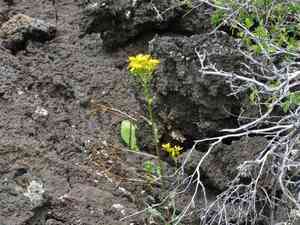
Oak creek ragwort flourishes in adequately drained ground exposed to ample sunlight. For propagation, gather seeds after they ripen and plant them directly into prepared garden plots. Gently cover with earth and ensure continuous dampness until sprouting occurs. This species benefits from moderately fertile soil to avoid elongated stems. Allowing the soil to dry slightly after germination encourages robust development. Applying mulch can aid in moisture retention and weed control.
Optimal Time for Oak Creek Ragwort Propagation
Propagation Method
Seeding
Propagation Period
Spring
Tools for Oak Creek Ragwort Propagation
Seedling Trays
Seedling trays are crucial for planting oak creek ragwort's seeds. They offer a controlled setting where seeds can sprout uniformly. The tray compartments aid in managing individual seedling growth, reducing root disturbance during transplanting.
Moisture-Controlled Seed Starting Mix
This specialized soil blend ensures oak creek ragwort's seeds receive the correct moisture balance without becoming waterlogged. It promotes optimal germination by supplying essential nutrients and preventing damping-off diseases, common in early growth stages.
Humidity Dome
A humidity dome helps maintain high humidity levels, vital for successful germination of oak creek ragwort's seeds. By retaining moisture and warmth, it creates an ideal microenvironment for young seedlings, encouraging faster and healthier development.
Spray Bottle
A spray bottle allows for gentle watering of oak creek ragwort's seeds and seedlings. This method prevents seed displacement and avoids overwatering, ensuring delicate seedlings get sufficient moisture without being drowned.
Thermostat-Controlled Heating Mat
A heating mat with a built-in thermostat provides consistent bottom heat to seed trays. This helps maintain an optimal soil temperature, critical for the germination of oak creek ragwort's seeds, especially in cooler climates or during early spring planting.
Seed Labels
Using seed labels ensures that each planted seed or seedling of oak creek ragwort can be precisely identified. This assists in tracking germination progress, particularly if multiple plant varieties are being cultivated simultaneously.
Soft Tipped Transplanter
A soft-tipped transplanter is perfect for carefully moving delicate seedlings of oak creek ragwort from the seedling tray to their permanent growing spot. It minimizes root shock and damage, promoting better establishment and continued growth.
Propagating Oak Creek Ragwort
Propagation Type
Simple
Caring for Newly Propagated Oak Creek Ragwort
Caring for Newly Propagated Oak Creek Ragwort
Post-germination, gradually introduce oak creek ragwort seedlings to outdoor conditions by initially placing them in a shaded area, then progressively increasing sun exposure. Water regularly to keep soil moist but not saturated, and transplant seedlings when robust enough. Monitor for common pests and diseases, and provide light, well-drained soil for ongoing growth. Mulching around the base can help retain moisture and suppress weeds.
Common Propagation Errors for Oak Creek Ragwort
Overwatering
Excessive water can lead to root rot and fungal infections, significantly hindering plant growth and propagation success.
Insufficient Light
Lack of adequate light can stunt growth and weaken the plant, reducing its vigor and making it vulnerable to diseases.
Improper Soil Type
Using soil that drains poorly or is too dense can impede root development and oxygen uptake, affecting the plant's ability to establish itself.
Incorrect Cutting Technique
Employing dull tools or making jagged cuts can harm plant tissues, leading to infections and poor rooting success.
Neglecting Acclimatization
Failing to gradually acclimate propagated plants to outdoor conditions can result in shock or stress, diminishing their chances of survival.
Tips for Propagating Oak Creek Ragwort
Use Well-Draining Soil
Select a soil mix that drains effectively to prevent waterlogging and ensure a healthy root environment.
Ensure Adequate Light
Position propagated plants in an area with sufficient indirect sunlight to provide the energy needed for growth without causing leaf burn.
Proper Watering
Water plants moderately, allowing the top inch of soil to dry between waterings to prevent root rot.
Sharp and Sterile Tools
Always use sharp, sterilized cutting tools to make clean cuts and minimize the risk of transmitting diseases.
Gradual Acclimatization
Slowly acclimate new plants to outdoor conditions by progressively increasing their exposure to sunlight and wind over a period of time.



