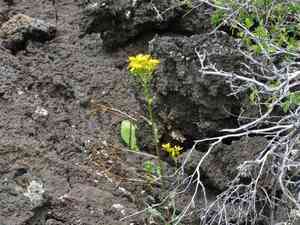
Oak creek ragwort (Packera quercetorum)
Also known as: Oak Creek Groundsel, Quercus Groundsel
The Oak Creek ragwort thrives in the dry, desert uplands of Arizona and New Mexico. Its bright yellow flowers bloom in late spring and early summer, attracting bees, butterflies, and other insects to the arid landscape.
In This Article
Attributes of Oak creek ragwort
Lifespan
Perennial
Plant Type
Herb
Plant Height
30-90 cm
Spread
30-60 cm
Leaf Color
Green
Flower Size
1-2 cm
Flower Color
Yellow
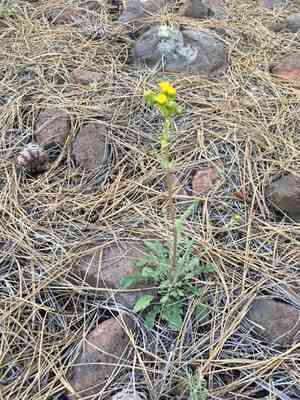
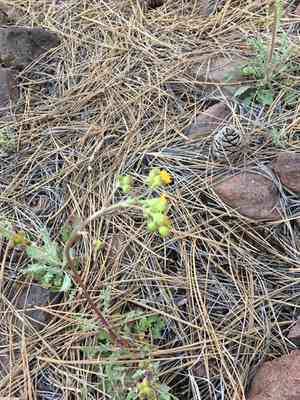
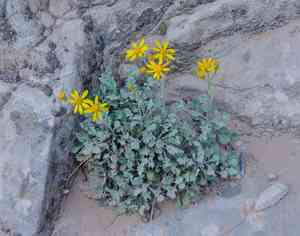
Images of Oak creek ragwort
Quickly Identify Oak creek ragwort
1
Packera quercetorum can be identified by its bright yellow flowers, which are typical of the genus Packera. The leaves are pinnately lobed and have a slightly hairy texture. The plant often forms clusters.
Scientific Classification of Oak creek ragwort
Phylum
Vascular plants
Class
Dicotyledons
Order
Asterales
Family
Daisy
Genus
Packera
Species
Oak creek ragwort
Planting and Growing of Oak creek ragwort
Care Difficulty
Moderate
Watering Schedule
Every 2 days
Sunlight Requirements
Partial sun
Sunshine Duration
4-10 hours
Ideal Temperature
60-75℉
Soil Type
Potting Mix, Peat Mix
Soil pH
6.5-7.5
Fertilizer Type
Balanced
Pruning Season
Spring, Summer
Pruning Area
Branches, Leaves
Pruning Frequency
2 times a year
Repotting Season
Spring
Pot Type
Plastic, Ceramic
 How to Water Oak creek ragwort?
When watering Packera quercetorum, it's important to avoid both dryness and sogginess. You should water it until the soil feels evenly moist but not soaked. To determine the proper amount, aim for around 300 milliliters per session, ensuring it seeps evenly through the soil without excess drainage.
What are the symptoms of an underwatered Oak creek ragwort?
›
What should I do if my Oak creek ragwort is not getting enough water?
›
What are the symptoms of an overwatered Oak creek ragwort?
›
How to save an overwatered Oak creek ragwort?
›
 What Are the Sunlight Requirements for Oak creek ragwort?
Packera quercetorum's ideal lighting condition involves partial sun exposure. This range supports robust foliage and blooms without risking leaf damage, ensuring balanced energy intake and sustainable growth.
What is the ideal amount of sunlight for Packera quercetorum?
›
How can I ensure Packera quercetorum gets its ideal sunlight?
›
What benefits does Packera quercetorum gain from ideal sunlight?
›
 What Is the Ideal Temperature Range for Oak creek ragwort?
For optimal growth, Packera quercetorum thrives in temperatures between 60°F and 75°F. This range ensures that the plant has enough warmth to support its photosynthetic processes while not becoming stressed from excessive heat.
 What Soil is Best for Oak creek ragwort?
Packera quercetorum thrives in well-drained soil, preventing root rot and ensuring sufficient oxygen for roots. Good drainage increases plant resilience, especially during rainy seasons. A nutrient-rich loam provides essential minerals ensuring robust growth and vibrant foliage. Such soil supports diverse micro-organisms that benefit plant health. Consistent moisture levels, without waterlogging, help maintain hydration critical for Packera quercetorum's photosynthesis and overall vigor. Regular watering schedules are ideal.
 How to Fertilize Oak creek ragwort?
For Packera quercetorum, using too much fertilizer can be detrimental. A modest amount is advised. When using liquid fertilizers, apply approximately 1/4 to 1/2 the concentration recommended by the manufacturer. For slow-release fertilizers, a light sprinkle of granules around the base of the plant will suffice.
 How to Prune Oak creek ragwort?
Begin by using sharp pruning shears to remove any dead or diseased parts of the plant. Cut back each affected stem at the base near the crown. Trim back overgrown areas to help the plant maintain a balanced form. Be careful not to cut too aggressively, as excessive pruning can stress the plant.
More About Pruning Techniques→
 How to Propagate Oak creek ragwort plant?
1
Before planting, soak seeds in lukewarm water for 24 hours. This helps in breaking dormancy and increasing germination rates by softening the seed coat and promoting initial water absorption.
2
Plant seeds shallowly in a moistened seed tray, about 0.5-1 cm deep. Lightly cover with soil and gently pat down. Ensure good contact with the soil to encourage even germination.
3
Place the seed tray in a warm and bright location, but away from direct sunlight. Maintain a temperature between 18-22°C and ensure consistent moisture levels by misting gently or covering with a plastic dome.
 How to Repot Oak creek ragwort plant?
1
Packera quercetorum will signal its need for repotting when you see roots poking out of the drainage holes or the plant appears to be outgrowing its container. Ideally, you should aim to repot in spring or autumn, when the plant is most likely to experience less stress and can readily adapt to its new environment.
2
Selecting a well-suited pot for your Packera quercetorum is crucial. Opt for a container that is slightly larger than the previous one, with plenty of drainage holes to prevent waterlogging. A pot made of materials like terracotta can be beneficial as it is breathable, helping the soil dry out evenly, thus preventing root rot.
3
Choosing the correct soil is pivotal for the health of your Packera quercetorum. Use a well-draining potting mix that contains components such as perlite or sand. This ensures adequate aeration and drainage, minimizing the risk of overwatering and promoting healthier root development.
Toxicity
ingestion
WARNING
The judgment on toxicity and danger is for reference only. We DO NOT GUARANTEE any accuracy of such judgment. Therefore, you SHALL NOT rely on such judgment. It is IMPORTANT TO SEEK PROFESSIONAL ADVICE in advance when necessary.
Learn More About Oak creek ragwort Diseases
Anthracnose
Bacterial Leaf Spot
Bacterial Soft Rot
Bacterial Wilt
Crown Gall
Cyst Nematode
Damping-off
Downy Mildew
Drought Stress
Fusarium Wilt
Gray Mold
Leaf Spot
Mosaic
Nutrient Deficiency
Nutrient Toxicity
Powdery Mildew
Root Rot
Root-knot Nematode
Rusts
Sooty Mold
Spider Mites
Temperature Stress
Thrips Damage
White Mold



