How to Propagate Ivy broomrape?
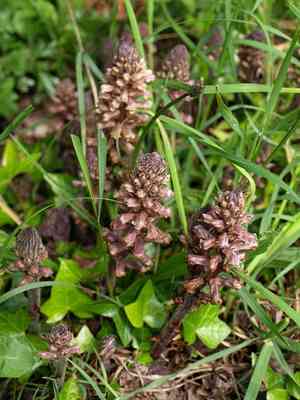
Ivy broomrape, a parasitic botanical species, depends entirely on its host for obtaining nourishment, generally employing haustoria to access the host's vital supplies. Consequently, ivy broomrape does not multiply through standard methods such as cuttings or separation. Instead, its reproduction primarily occurs by dispersing seeds near the host plant, guaranteeing that nascent seedlings can swiftly form a bond. For effective propagation, the seeds need to be in conditions favorable for sprouting, necessitating contact with the suitable host root structures. Furthermore, it is essential to sustain a soil environment that fosters the host plant's well-being, given that ivy broomrape's existence is contingent upon it.
Optimal Period for Ivy Broomrape Propagation
Propagation Method
Seeding
Propagation Period
Spring
Equipment for Ivy Broomrape Propagation
Seed trays or flats
These containers offer a controlled setting perfect for planting small ivy broomrape seeds. They assist in managing space and ensuring tiny seeds aren't lost or overwhelmed by the growing medium.
Fine vermiculite or perlite
These growing media are vital for ivy broomrape, providing excellent air circulation and drainage, factors crucial for the germination of parasitic plant seeds that need specific soil conditions to begin growth.
Misting system or fine spray water bottle
Given the delicate nature of ivy broomrape's seeds and young plants, a misting system or spray bottle helps in gently watering without disturbing the seeds. Consistent moisture levels are essential for successful germination and early growth phases of ivy broomrape.
Host plant proximity
As ivy broomrape is a parasitic plant, the presence of the correct host plant, in this instance, ivy, is critical. Introducing the host plant early on ensures that ivy broomrape can successfully establish and obtain nutrients since it lacks chlorophyll to produce its own food.
Steps to Propagate Ivy Broomrape
Propagation Type
Simple
Post-Propagation Care for Ivy Broomrape
How to Care for Your Newly Propagated Ivy Broomrape?
For care after propagation, it's essential to maintain the health of the host plant, as ivy broomrape's survival depends on it. Watch for signs of stress in the host and adjust watering and feeding as needed. Minimize disturbance to the area where ivy broomrape is growing to prevent damage to its fragile structures. As it is a parasitic plant, avoid pesticides or herbicides that could harm ivy broomrape directly or through its host.
Common Errors to Avoid When Propagating Ivy Broomrape
Overwatering
Excessive moisture can lead to root rot, which is harmful to ivy broomrape's health. This is because ivy broomrape is vulnerable to too much water around its delicate roots.
Using nutrient-rich soil
Selecting a fertile substrate might seem beneficial, but ivy broomrape thrives in low-nutrient environments. Too many nutrients can hinder its natural parasitic behavior and negatively impact its growth.
Independent planting
Attempting to cultivate ivy broomrape without a host plant will likely result in propagation failure. Ivy broomrape is an obligate parasite and requires a host for nutrient absorption.
Artificial light exposure
Exposing ivy broomrape to intense artificial light can be counterproductive, as ivy broomrape is adapted to specific light conditions found in its natural habitat.
Frequent handling
Excessive handling or disturbance can stress ivy broomrape, leading to poor root development. Maintaining a stable environment is crucial for successful propagation.
Advice for Propagating Ivy Broomrape
Host plant selection
Carefully choose an appropriate host plant that ivy broomrape can parasitize. Compatibility is essential for nutrient transfer and the overall health of ivy broomrape.
Soil type and preparation
Use a well-draining soil mix that mimics ivy broomrape's natural environment. Minimal nutrients will encourage ivy broomrape to seek its host plant.
Minimal watering
Keep the soil moist but not waterlogged. Proper moisture levels are critical, as ivy broomrape obtains most of its water from its host plant.
Gentle handling
Handle ivy broomrape with care during planting and establishment to prevent damage to delicate tissues. Minimize any potential stress to promote healthy root development.
Natural light conditions
Provide ivy broomrape with light conditions that resemble its natural environment. Avoid direct, intense lighting, which can disrupt ivy broomrape's typical growth patterns.



