How to Propagate Ochrosia oppositifolia?
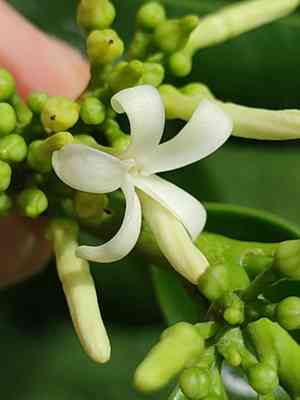
The most effective method for propagating Ochrosia oppositifolia is via cuttings. Utilize a sterile, keen implement to obtain robust stem sections from the specimen. Detach the basal foliage and immerse the severed extremities in rooting compound prior to embedding them in a substrate that drains efficiently. Verify that the cuttings stay hydrated and in diffused illumination until they develop roots. After they are firmly rooted, progressively introduce them to increased solar exposure.
Optimal Time for Ochrosia Oppositifolia Propagation
Propagation Method
Cutting
Propagation Period
Autumn,Winter
Tools Required for Ochrosia Oppositifolia Propagation
Pruning Shears
Sharp pruning shears are vital for obtaining clean, precise cuttings from ochrosia oppositifolia. Sterilize the shears to prevent pathogen transmission that could harm the plant.
Rooting Hormone
A rooting hormone powder or gel can significantly boost the rooting process by stimulating root growth when you insert the ochrosia oppositifolia cutting. This is especially beneficial for encouraging faster and stronger root development.
Propagation Trays
Propagation trays assist in organizing and managing multiple ochrosia oppositifolia cuttings effectively. They enable easy monitoring of individual plant progress and help maintain consistent conditions for the cuttings.
Humidity Dome
A humidity dome is crucial for maintaining a high humidity environment, which is necessary for ochrosia oppositifolia cuttings to retain moisture and prevent wilting. This ensures better survival rates and successful rooting.
Sterile Soil Mix
Using a sterile soil mix minimizes the risk of soil-borne diseases that can severely impact the health of ochrosia oppositifolia's cuttings. A well-draining mix is also essential to prevent waterlogging, which could lead to root rot.
Heating Mat
A heating mat placed beneath the propagation tray can provide consistent warmth, encouraging root development for ochrosia oppositifolia. This is particularly important in cooler environments or during winter months.
Spray Bottle
A spray bottle is needed to mist the ochrosia oppositifolia cuttings regularly. Keeping the foliage moist is essential to prevent dehydration until the roots are established.
How to Propagate Ochrosia Oppositifolia?
Propagation Difficulty
Moderately Difficult
Caring for Your Newly Propagated Ochrosia Oppositifolia
Caring for Your Newly Propagated Ochrosia Oppositifolia
Once the cuttings have rooted (typically in 4-6 weeks), gradually acclimate them to normal humidity levels by removing the plastic cover for progressively longer durations each day. Transplant the rooted cuttings into individual pots with well-draining soil. Water them regularly to keep the soil moist but not waterlogged, and place them in a location with bright, indirect light. Monitor for pests and diseases, and fertilize every few months with a balanced fertilizer to ensure healthy growth.
Common Errors to Avoid When Propagating Ochrosia Oppositifolia
Overwatering
Frequent overwatering can lead to root rot, which is detrimental to ochrosia oppositifolia's health. Roots require well-draining soil to thrive and avoid waterlogged conditions.
Incorrect Soil Mix
Using a generic potting mix instead of one suited to ochrosia oppositifolia's needs can impede root development. A well-draining, sandy soil mix is crucial.
Improper Light Conditions
Insufficient light can slow growth. Ochrosia oppositifolia requires bright, indirect sunlight for optimal propagation results.
Neglecting Humidity
Ignoring humidity requirements can lead to poor growth. Ochrosia oppositifolia propagates better in a humid environment.
Cutting Too Large
Using overly large cuttings can result in higher failure rates as they may not establish well. Properly sized cuttings encourage rooting.
Tips For Propagating Ochrosia Oppositifolia
Use Well-Draining Soil
Ensure the soil mix allows for adequate drainage. A sandy or gritty mix helps prevent root rot.
Maintain Optimal Humidity
Ochrosia oppositifolia thrives in humid environments. Consider using a humidity dome or misting the cuttings regularly.
Apply Rooting Hormone
Dipping cuttings in rooting hormone can enhance root development, increasing the chances of successful propagation.
Provide Indirect Sunlight
Place cuttings in bright, indirect light to prevent scorching while ensuring enough energy for growth.
Regular Monitoring
Check for signs of disease or pest infestation regularly. Prompt action helps maintain healthy cuttings.



