How to Propagate Mojave hole-in-the-sand plant?
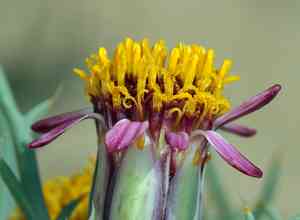
To cultivate mojave hole-in-the-sand plant, create a sandy, well-draining substrate. Disperse seeds directly into this medium, making sure they are uniformly distributed and lightly covered. Sustain a consistent, moderate level of dampness to facilitate sprouting, preventing excessive saturation. Due to its native environment, this plant flourishes optimally under direct sunlight. Periodically observe the young plants, reducing their numbers when necessary to avert congestion and allow ample room for development.
When Is the Optimal Time to Propagate Mojave Hole-in-the-sand Plant?
Propagation Method
Sowing
Propagation Period
Spring
What Equipment Is Used for Mojave Hole-in-the-sand Plant Propagation?
Seed Trays
Seed trays offer a regulated setting for planting mojave hole-in-the-sand plant seeds. They aid in organizing seeds and simplify monitoring and upkeep. These trays provide ample room for root growth and are easily managed for water and nutrient distribution.
Fine Seed Sowing Mix
Employing a fine seed sowing mix guarantees proper drainage and aeration, vital for the germination of mojave hole-in-the-sand plant. This mix typically has low nutrient content, minimizing the risk of damaging young roots.
Humidity Domes
Humidity domes assist in sustaining elevated humidity levels around the seeds, which is particularly crucial for mojave hole-in-the-sand plant germination. They establish a miniature greenhouse effect, helping to stabilize temperature and keep the substrate moist.
Spray Bottle
A spray bottle is indispensable for watering the delicate mojave hole-in-the-sand plant seeds without disturbing the soil or dislodging them. It delivers a gentle and uniform water distribution.
Heating Mat
A heating mat positioned beneath the seed trays can supply consistent warmth, which is advantageous for mojave hole-in-the-sand plant germination. This helps maintain an ideal soil temperature, especially in cooler climates.
Labeling Sticks
Labeling sticks are essential for tracking various batches of mojave hole-in-the-sand plant seeds. Proper labeling facilitates monitoring growth stages and managing different plantings.
Light Source
A dedicated grow light helps provide sufficient light intensity necessary for mojave hole-in-the-sand plant seedlings if natural light is inadequate. This ensures vigorous and healthy growth.
Tweezers
Tweezers are useful for handling the tiny mojave hole-in-the-sand plant seeds during the sowing process. They offer precision and reduce the chance of damaging the seeds.
How to Propagate Mojave Hole-in-the-sand Plant?
Propagation Difficulty
Easy
How to Care for Your Newly Propagated Mojave Hole-in-the-sand Plant?
How to Care for Your Newly Propagated Mojave Hole-in-the-sand Plant?
Once mojave hole-in-the-sand plant has sprouted and become established, gradually decrease watering, allowing the soil to dry out between irrigation cycles, as mojave hole-in-the-sand plant is adapted to arid conditions. Ensure the plant continues to receive ample sunlight. Shield young plants from frost and inspect for pests like aphids or spider mites. Given mojave hole-in-the-sand plant's preference for sandy soils, occasional light fertilization might be beneficial, but avoid over-fertilizing to prevent excessive leaf growth at the expense of blooms.
Common Errors to Avoid When Propagating Mojave Hole-in-the-sand Plant
Overwatering
Excessive moisture can lead to root rot, making the soil too wet for proper root development and causing plant failure.
Incorrect Soil Composition
Using soil that retains too much moisture or lacks adequate drainage can suffocate the roots, impeding their ability to absorb nutrients and oxygen.
Inadequate Light
Providing insufficient light can hinder growth, as mojave hole-in-the-sand plant requires abundant sunlight to flourish.
Crowded Space
Planting too many seeds or cuttings too closely can result in competition for nutrients, space, and light, diminishing the likelihood of successful propagation.
Incorrect Temperature
Failing to maintain a consistent and appropriate temperature can stress the plant, slowing down or stopping the propagation process.
Tips For Propagating Mojave Hole-in-the-sand Plant
Well-Draining Soil
Utilize a sandy or gritty soil mix to ensure excellent drainage, preventing water from accumulating around the roots.
Moderate Watering
Water sparingly and only when the top inch of the soil has dried out to prevent root rot.
Adequate Light
Position mojave hole-in-the-sand plant in an area where it will receive full, direct sunlight for most of the day to encourage healthy growth.
Spacing
Provide sufficient space between plants to ensure that each seedling has room to grow without competing for resources.
Temperature Control
Maintain a stable temperature that mimics the natural desert environment to promote optimal growth conditions.



