How to Propagate Colusa grass?
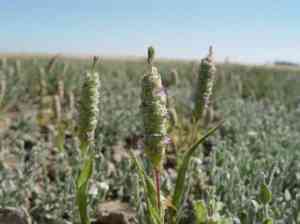
Colusa grass, an annual member of the Poaceae family, is most effectively multiplied by seeding. Verify that seeds are completely sanitized and processed to avert fungal diseases. Utilize a growing medium that drains efficiently and maintain consistent dampness without saturation. Seeding ought to occur at a superficial level, and supplying ample sunlight is vital for robust development. Monitor for infestations and safeguard nascent plants during their establishment phase.
Optimal Period for Colusa Grass Propagation
Propagation Method
Seeding
Propagation Period
Spring
Tools for Colusa Grass Propagation
Seed Trays
Seed trays offer a controlled setting for germinating colusa grass. They aid in organizing and observing seedling development, ensuring adequate space and nutrients during initial stages.
Soil Mix
A well-draining soil blend is vital for successful colusa grass germination and growth. It assists in supplying the necessary nutrients and aeration for proper seed development.
Humidity Dome
Humidity domes maintain the proper moisture levels required for colusa grass germination. They help prevent soil desiccation and ensure consistent humidity, crucial for sprouting.
Seedling Heat Mat
Heat mats provide warmth from below, which can accelerate colusa grass germination. They are especially useful for maintaining ideal soil temperature, ensuring seeds sprout within the expected timeframe.
Watering Can with Fine Rose
A watering can with a fine rose nozzle allows for gentle irrigation of colusa grass seedlings without disturbing the soil or dislodging seeds. Consistent, gentle watering helps maintain sufficient soil moisture.
Seed Label Markers
Label markers are essential for tracking colusa grass throughout the propagation process. They assist in identifying different seedling groups and ensure proper monitoring of growth and progress.
Liquid Fertilizer
A suitable liquid fertilizer delivers the necessary nutrients that can boost the growth of colusa grass seedlings once germinated. It ensures plants receive vital minerals and elements for healthy development.
Grow Lights
Grow lights can supplement natural sunlight, particularly indoors. They provide the essential light spectrum for colusa grass's photosynthetic process, ensuring strong and healthy seedlings.
How to Propagate Colusa Grass?
Propagation Type
Easy
Caring for Newly Propagated Colusa Grass
Caring for Newly Propagated Colusa Grass
Post-propagation, ensure colusa grass is situated in an area with ample sunlight and well-drained soil. Water plants regularly, but avoid waterlogging the soil. Monitor for pests and diseases, and apply a balanced fertilizer monthly to encourage healthy growth. Mulching around the plant bases can help retain moisture and reduce weed competition.
Common Errors to Avoid When Propagating Colusa Grass
Overwatering
Excessive watering can cause root rot, which is detrimental to colusa grass's health and can significantly reduce propagation success.
Poor soil drainage
Using soil that retains too much water can lead to waterlogged conditions, which are unfavorable for colusa grass and can hinder root development.
Insufficient sunlight
Providing inadequate light can stunt colusa grass growth, as it thrives in full sunlight for effective photosynthesis.
Neglecting pH levels
Ignoring soil pH can make it difficult for colusa grass to absorb essential nutrients, resulting in poor growth and weak plants.
Tips For Propagating Colusa Grass
Use well-draining soil
Ensure the soil mix drains well to prevent waterlogging and root rot, promoting healthy root development.
Adjust watering schedule
Tailor the watering routine to colusa grass's specific needs, allowing the soil to dry slightly between waterings.
Provide full sunlight
Position colusa grass where it receives abundant direct sunlight to support vigorous growth and successful propagation.
Monitor soil pH
Regularly test soil pH and adjust as needed to maintain an optimal range for nutrient absorption by colusa grass.



