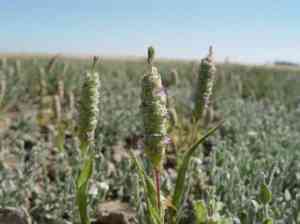
Colusa grass (Neostapfia colusana)
Also known as: Colusa Grass
Neostapfia colusana is a type of bunchgrass known for its unique cylindrical inflorescences, which are adorned with flat spikelets and resemble miniature ears of corn. The plant produces grains that are coated in a sticky secretion, causing mature clumps to turn brown and exude a glue-like substance. The genus Neostapfia honors the botanist Otto Stapf.
In This Article
Attributes of Colusa grass
Lifespan
Annual
Plant Type
Grass
Plant Height
30-60 cm
Spread
Approximately 30 cm
Leaf Color
Green
Flower Size
Not applicable (Grass species)
Flower Color
Greenish
Images of Colusa grass
Quickly Identify Colusa grass
1
To identify Neostapfia colusana, look for its distinct tufted growth, cylindrical spikelets, and the unique habitat of vernal pools. Note the flowering period in late spring to early summer.
Scientific Classification of Colusa grass
Phylum
Vascular plants
Class
Monocotyledons
Order
Poales
Family
Grass
Genus
Colusagrass
Species
Colusa grass
Planting and Growing of Colusa grass
Care Difficulty
Hard
Watering Schedule
Every 2 days
Sunlight Requirements
Full sun
Sunshine Duration
6-10 hours
Ideal Temperature
68-77℉
Soil Type
Potting Mix, Peat Mix
Soil pH
6.5-7.5
Fertilizer Type
Balanced
Pruning Season
Spring, Summer
Pruning Area
Branches, Leaves
Pruning Frequency
2 times a year
Repotting Season
Spring
Pot Type
Plastic, Ceramic
 How to Water Colusa grass?
For Neostapfia colusana, an ideal watering aims for approximately 500 ml per session. This plant thrives with moderate hydration levels, mimicking its native marshy habitats. It's crucial to ensure the soil is evenly moist but not waterlogged, promoting healthy root development without risking rot.
What are the symptoms of an underwatered Colusa grass?
›
What should I do if my Colusa grass is not getting enough water?
›
What are the symptoms of an overwatered Colusa grass?
›
How to save an overwatered Colusa grass?
›
 What Are the Sunlight Requirements for Colusa grass?
Neostapfia colusana requires full sun exposure for optimum growth. Ideal light facilitates robust stem development, vibrant foliage, and abundant flowering, making it thrive in its native habitat.
What is the ideal lighting condition for Neostapfia colusana?
›
How can you ensure Neostapfia colusana receives its ideal light conditions?
›
What are the benefits of Neostapfia colusana receiving ideal light conditions?
›
 What Is the Ideal Temperature Range for Colusa grass?
Neostapfia colusana thrives in a temperature range between 68°F and 77°F. This range ensures optimal metabolic and physiological processes necessary for healthy growth, including photosynthesis, respiration, and nutrient uptake.
 What Soil is Best for Colusa grass?
Neostapfia colusana thrives in well-drained soils, which help prevent root rot by allowing excess water to flow away. Such conditions mimic the plant's natural habitat, promoting healthy growth and root development. Rich organic content in the soil supports robust growth by providing essential nutrients. This condition allows Neostapfia colusana to maintain optimal health, enhancing its resistance to environmental stresses. A consistent moisture level is crucial for this plant, as it simulates its natural growing conditions. It prevents the plant from drying out, ensuring that Neostapfia colusana remains vibrant and lush.
 How to Fertilize Colusa grass?
Neostapfia colusana thrives with a balanced approach to fertilization. For liquid fertilizers, use a concentration of half the recommended strength by the manufacturer to prevent nutrient burn. Apply just enough liquid to ensure saturation without excess runoff. For slow-release fertilizers, apply about 5 grams per plant per application, evenly scattering around the base.
 How to Prune Colusa grass?
Begin by removing any dead or brown sections. Carefully inspect the grass-like blades and cut away any parts that appear dead. This step allows the plant to focus energy on healthy growth. Trim the plant to maintain its desired shape. Use sharp scissors to make clean cuts and avoid tearing the plant fibers. Aim for a balanced and aesthetic shape that encourages even growth.
 How to Propagate Colusa grass plant?
1
Fill seed trays with potting mix, ensuring it is evenly moist but not waterlogged. Firm the surface lightly to create an even bed for seed placement.
2
Scatter the Neostapfia colusana seeds evenly across the surface of the moistened potting mix. Optionally, cover lightly with a thin layer of potting mix for better soil-seed contact.
3
Keep the seed tray in a location with consistent temperatures and indirect sunlight. Regularly monitor soil moisture, lightly misting with water as needed to ensure optimal humidity around seeds.
 How to Repot Colusa grass plant?
1
Neostapfia colusana requires repotting when its roots begin to outgrow the current pot, emerging from drainage holes or circling the soil surface. This is a significant sign that the plant needs more space and fresh nutrients to thrive. Look for these signs during the warmer months, as repotting in spring or summer facilitates quicker recovery.
2
Select a pot that is just slightly larger than the current one, with adequate drainage holes to prevent waterlogging. The ideal pot allows room for growth without overwhelming the plant's root system, ensuring stability and healthy expansion. Opting for ceramic or clay pots can aid in moisture regulation, benefiting the plant's growth.
3
A well-drained sandy mix is perfect for Neostapfia colusana, as it mimics the plant's natural habitat and prevents water from sitting around the roots, which could lead to root rot. The airy structure of sandy soil also provides excellent aeration, promoting a robust root system and healthy plant growth.
Learn More About Colusa grass Diseases
Anthracnose
Bacterial Leaf Spot
Bacterial Soft Rot
Bacterial Wilt
Crown Gall
Cyst Nematode
Damping-off
Downy Mildew
Drought Stress
Fusarium Wilt
Gray Mold
Leaf Spot
Mosaic
Nutrient Deficiency
Nutrient Toxicity
Powdery Mildew
Root Rot
Root-knot Nematode
Rusts
Sooty Mold
Spider Mites
Temperature Stress
Thrips Damage
White Mold



