How to Propagate Downy pincushionplant?
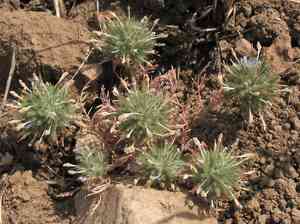
Navarretia pubescens is an appealing, non-woody plant from the Navarretia genus, recognized for its hairy leaves and bloom clusters resembling pincushions. To achieve effective propagation, plant seeds in substrate that drains efficiently and guarantee steady hydration without oversaturation. Optimal germination is aided by ample illumination. Through diligent attention and appropriate nurturing, Navarretia pubescens can become a pleasing feature in gardens featuring indigenous flora.
What Is the Best Time To Propagate Downy Pincushionplant?
Propagation Type
Seeding
Propagation Season
Spring
What Tools Are Used in Downy Pincushionplant Propagation?
Seed Starting Trays
These containers offer a controlled setting for planting downy pincushionplant seeds, ensuring ample room and proper drainage for successful germination.
Sterile Seed Starting Mix
A premium, pathogen-free seed starting medium minimizes fungal infections and pests, offering a clean substrate for downy pincushionplant seeds to sprout and establish strong roots.
Humidity Dome
High humidity is vital for downy pincushionplant seed germination. A humidity dome helps retain moisture and creates a miniature greenhouse effect, encouraging quicker sprouting.
Heat Mat
Consistent, gentle warmth from a heat mat promotes uniform germination of downy pincushionplant seeds, especially if the growing area's temperatures are below ideal.
Seedling Heat Mat Thermostat
This specialized device regulates the heat mat's temperature, ensuring it remains within the optimal range for downy pincushionplant seed germination, thus preventing overheating or insufficient warmth.
Spray Bottle
A spray bottle allows for gentle irrigation of downy pincushionplant seeds and young plants without disturbing the soil or delicate roots, maintaining necessary moisture levels for healthy development.
Seed Labels
Labeling each tray or pot with the planting date and species information helps monitor the progress of downy pincushionplant seeds and ensures correct identification throughout the propagation process.
Transplanting Tool
A small, precise transplanting tool assists in safely moving fragile downy pincushionplant seedlings to larger containers or their permanent outdoor spot without damaging the root system.
How to Propagate Downy Pincushionplant?
Propagation Type
Simple
How to Care for Your Newly Propagated Downy Pincushionplant?
How to Care for Your Newly Propagated Downy Pincushionplant?
Once downy pincushionplant seedlings are large enough to handle, carefully transfer them to individual pots or a prepared garden bed with well-draining soil. Ensure they receive ample sunlight and avoid excessive watering, as downy pincushionplant prefers arid conditions. Regularly check plants for pests or diseases, and remove spent blooms to encourage further flowering and maintain plant vitality.
Common Mistakes to Avoid When Propagating Downy Pincushionplant
Overwatering
Excessive watering can cause root rot, a common and fatal issue for downy pincushionplant. Proper drainage and controlled irrigation are crucial to prevent this error.
Improper Soil Mix
Using a soil blend that retains too much moisture or lacks adequate nutrients can hinder growth and lead to poor propagation outcomes for downy pincushionplant.
Inadequate Light Conditions
Insufficient light can weaken downy pincushionplant cuttings or seedlings, impeding photosynthesis and overall plant development.
Neglecting Sterilization
Failure to sterilize tools and containers can introduce pathogens, posing a significant risk of infection and disease during downy pincushionplant propagation.
Incorrect Temperature
Exposure to unsuitable temperatures, whether too high or too low, can stress downy pincushionplant and negatively impact its ability to root and grow.
Tips For Propagating Downy Pincushionplant
Moderate Watering
Water downy pincushionplant sparingly, only when the topsoil is dry. This prevents root rot and maintains necessary moisture levels.
Well-Drained Soil
Utilize a sandy or gritty soil mix to ensure good drainage and prevent waterlogging, which downy pincushionplant prefers.
Bright, Indirect Light
Downy pincushionplant thrives in bright, indirect sunlight. Position propagating materials where they receive ample light without direct exposure to intense sun.
Sterilize Equipment
Always sterilize your tools and containers before use to prevent contamination and disease during downy pincushionplant propagation.
Temperature Control
Maintain a stable temperature between 65-75°F (18-24°C) to create an optimal environment for downy pincushionplant growth.



