How to Propagate Peppermint?
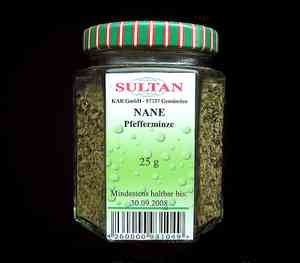
Mentha piperita is a favored fragrant herb extensively utilized for its aromatic foliage. This enduring plant readily multiplies through cuttings, guaranteeing the preservation of the original plant's traits. To achieve successful root development, sever a robust, non-blooming stem and embed it in a damp growing medium, ensuring sufficient diffused illumination and steady substrate hydration. Dividing the root ball presents an alternative viable method, involving the detachment and relocation of a section of the root structure, complete with attached sprouts, from the established specimen.
When Is the Best Time to Propagate Peppermint?
Propagation Method
Seeding
Propagation Period
Spring
What Equipment Is Used in Peppermint Propagation?
Seed trays
Seed trays are crucial for initiating peppermint from seeds. They enable uniform seed distribution in a confined, regulated setting. Seed trays assist in maintaining the necessary moisture and temperature conditions vital for peppermint germination.
Fine-textured seed starting mix
A fine-textured seed starting mix offers peppermint's delicate seeds a light, well-draining medium that encourages superior root development and water retention. This boosts the germination rate and the overall health of the seedlings.
Misting bottle
A misting bottle is employed to gently water the seeds without disturbing them. This tool ensures that peppermint seeds and young seedlings receive a fine water spray, which is critical during the crucial germination phase.
Heat mat
A heat mat aids in maintaining a consistent soil temperature, which is essential for peppermint germination. By providing gentle warmth, the heat mat increases the success rate of seed germination, especially in cooler climates or seasons.
Grow lights
Grow lights are advantageous if natural light is insufficient. They support the healthy development of peppermint seedlings by providing the necessary light spectrum that enhances photosynthesis, leading to stronger, healthier plants.
Humidity dome
A humidity dome fits over the seed tray to help maintain adequate humidity levels around germinating peppermint seeds and young plants. This tool is particularly crucial in arid regions, as it prevents seedlings from drying out and aids in their overall development.
How to Propagate Peppermint?
Propagation Difficulty
Simple
How to Care for Your Newly Propagated Peppermint?
How to Care for Your Newly Propagated Peppermint?
Peppermint requires moist, well-draining soil and partial to full sun exposure after propagation. Consistent watering to keep the soil uniformly damp and weekly feeding with a diluted liquid fertilizer will promote vigorous growth. As peppermint can spread quite aggressively, ensure adequate spacing or contain the roots to prevent overgrowth.
Common Errors to Avoid When Propagating Peppermint
Overwatering
Excessive watering can lead to root rot in peppermint, a condition that impedes root development and can be fatal.
Using non-viable cuttings
Selecting cuttings that are unhealthy or too woody reduces the chances of successful rooting and growth for peppermint.
Ignoring hygiene
Failing to sanitize tools or containers can introduce pathogens to peppermint cuttings, increasing the risk of disease.
Neglecting cutting size
Cuttings that are too long or short may struggle to establish roots or sustain the plant, reducing propagation success in peppermint.
Overlooking humidity
An inappropriate humidity level can prevent peppermint cuttings from rooting properly, as they need consistent moisture to thrive.
Tips For Propagating Peppermint
Use healthy cuttings
Choose robust, green cuttings from a mature peppermint plant to ensure vigorous growth and higher rooting success.
Optimal cutting length
Prepare cuttings that are approximately 3-4 inches long with several nodes, which are essential for root development in peppermint.
Clean propagation tools
Before taking cuttings or handling peppermint, always use clean, sterilized tools to minimize disease transfer.
Appropriate watering
Maintain evenly moist but not waterlogged soil for rooting peppermint cuttings to promote healthy root formation without rot.
Humidity control
Use a plastic cover or humidity dome to maintain high humidity around the peppermint cuttings, encouraging root growth without drying out.



