
Peppermint (Mentha piperita)
Also known as: Peppermint
Peppermint, a hybrid of spearmint and watermint, is frequently grown in herb gardens or containers. Its leaves yield an oil that is commonly used in cosmetic products.
Attributes of Peppermint
Images of Peppermint
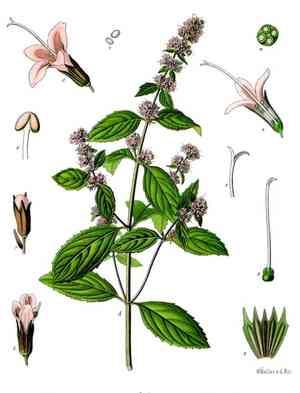
Quickly Identify Peppermint
Scientific Classification of Peppermint
Planting and Growing of Peppermint
 How to Water Peppermint?
 What Are the Sunlight Requirements for Peppermint?
 What Is the Ideal Temperature Range for Peppermint?
 What Soil is Best for Peppermint?
 How to Fertilize Peppermint?
 How to Prune Peppermint?
 How to Propagate Peppermint plant?
 How to Repot Peppermint plant?
Toxicity of Peppermint
Is Peppermint toxic to humans?
Peppermint exhibits a mild level of toxicity towards humans. The entire plant can result in poisoning if ingested due to the presence of compounds including pulegone, menthone, menthol, and menthofuran. When consumed in excessive quantities, these compounds may induce symptoms such as gastrointestinal discomfort, including nausea and vomiting, alongside central nervous system reactions like dizziness and muscle weakness. The intensity of these symptoms can fluctuate based on the amount consumed. Given that peppermint is often utilized in cooking, it is essential to use it sparingly to avoid unintentional poisoning. Individuals are advised to exercise caution and refrain from ingesting large amounts of the plant to reduce the potential for negative health consequences.
Is Peppermint toxic to cat?
Peppermint poses a mild toxicity hazard to cats when consumed. Cats may inadvertently ingest various parts of the plant, resulting in the possibility of poisoning. The entire plant is hazardous since all its components harbor toxic elements. These elements include pulegone, menthone, menthol, and menthofuran, which can provoke symptoms that suggest physical unease or illness. Considering these dangers, it is essential for cat owners to keep their pets away from the plant and to obtain immediate veterinary assistance if poisoning is feared, ensuring timely and appropriate care.
Is Peppermint toxic to dog?
Peppermint is regarded as possessing mild toxicity for dogs. Canines may inadvertently consume parts of the peppermint plant, which presents a poisoning hazard. If a dog ingests any portion of this herb, the entire plant can be harmful, leading to symptoms such as gastrointestinal distress, which may include vomiting and diarrhea, along with central nervous system depression manifested as lethargy or ataxia. The harmful effects are attributed to the presence of compounds such as pulegone, menthone, menthol, and menthofuran within the peppermint. Should you suspect that your dog has consumed peppermint, it is crucial to seek prompt veterinary assistance to guarantee appropriate treatment and symptom management.



